
Page content
Every business depends on nature. That’s not a statement of values: it’s an operational fact. Clean water, stable soils, pollination, flood regulation, climate moderation: these are services that ecosystems provide, and that the global economy relies on. The World Economic Forum estimates that more than half of global GDP (around $44 trillion) is moderately or highly dependent on ecosystem services. Most companies have no idea how exposed they are.
That’s starting to change. The Taskforce on Nature-related Financial Disclosures (TNFD) published its final recommendations in September 2023, and the first wave of voluntary disclosures is already underway. The EU’s Corporate Sustainability Reporting Directive (CSRD) requires large companies to report on biodiversity and ecosystem impacts from 2024 reporting periods onward. Supply chain due diligence frameworks are increasingly asking about nature dependencies. The ecosystem services question is moving from peripheral to central, faster than most organisations have prepared for.
What are Ecosystem Services?
Ecosystem services are the various benefits that humans derive from ecosystems. The interconnected living and non-living components of the natural environment offer benefits also offer key benefits and opportunities for organisations, but also pose severe risks. These services fall into four broad categories:
- Provisioning services are direct outputs — fresh water, timber, fish, crops, fibre, genetic resources. Industries including food and beverage, pharmaceuticals, textiles and construction are directly exposed here.
- Regulating services moderate natural processes — flood control, carbon sequestration, soil erosion prevention, water filtration, pollination, disease regulation. These underpin agricultural productivity, infrastructure integrity and operational continuity.
- Cultural services include recreation, tourism and the social value people place on natural landscapes. Less tangible in balance sheet terms, but increasingly important for social licence and insurance valuation.
- Supporting services are the foundational processes — nutrient cycling, soil formation, photosynthesis — without which none of the above function.

The gap between dependency and disclosure
Knowing that a business depends on ecosystem services is one thing. Being able to quantify, locate and disclose those dependencies is another. This is where most organisations currently sit: aware in principle, unprepared in practice.
The TNFD’s LEAP approach – Locate, Evaluate, Assess, Prepare – is designed to close that gap. It starts with geography: where are the interfaces between your operations and supply chain and natural ecosystems? That’s often where companies get stuck. Most environmental reporting to date has been global and aggregate. Ecosystem services are inherently local. A watershed risk in Karnataka is different from one in the Mekong Delta. A pollination dependency in Morocco does not translate to the same risk profile as one in Argentina.
Evaluating ecosystem conditions at those locations requires data that most companies don’t currently hold: biome integrity indices, species abundance data, habitat fragmentation metrics, water stress scores. Some of this is publicly available through platforms like the Global Biodiversity Information Facility (GBIF) or WWF’s Risk Filter — but interpreting it in a business context requires judgement and expertise that most sustainability teams have not yet built.
The hidden risks
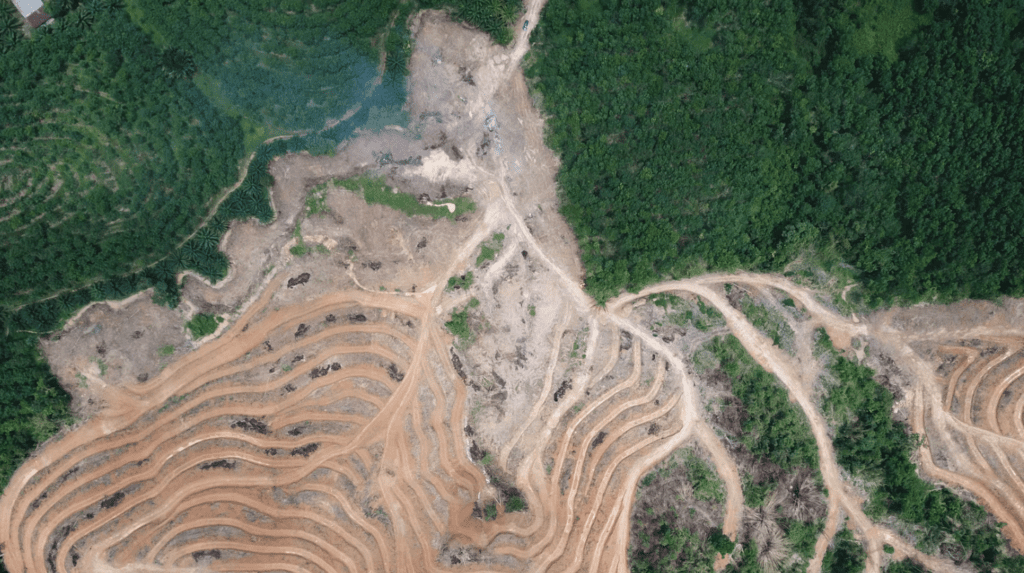
Physical risks arise when ecosystem degradation directly affects operations or supply chains. Declining groundwater levels reduce agricultural productivity. Deforestation in source regions increases flooding and crop failure. Pollinator decline driven by pesticide use, land conversion and climate change threatens significant portions of global food production.
Transition risks arise from regulatory and market change. CSRD scope 3 requirements mean large EU-based companies must increasingly understand and disclose the nature impacts of their entire supply chain. Companies that cannot demonstrate ecosystem stewardship face the prospect of losing access to capital, markets or contracts.
Reputational risks are growing as biodiversity loss receives media and investor attention. The failure to disclose known nature-related risks or the appearance of greenwashing nature-positive claims carries increasing liability.
The opportunities that arise
Ecosystem services are not only a risk management issue, but also a source of competitive advantage for companies that move early. Businesses that invest in supplier ecosystem resilience through regenerative agriculture programmes, watershed restoration, or soil health initiatives for instance reduce their exposure to physical risk and build more stable supply chains.
Nature-positive product positioning is gaining traction with B2B procurement teams that face their own regulatory pressures. A manufacturer that can demonstrate low deforestation risk, verified pollinator-friendly sourcing, or measurable biodiversity net gain in its supply chain has a credible differentiator with large retail and financial clients.

Where to start?
A nature strategy that starts with tree planting has skipped the hard part. The hard part is understanding what your business actually depends on, where those dependencies are geographically located, and what condition those ecosystems are in.
A practical starting point for most organisations is a materiality screening: mapping your operations and key supply chains against priority locations using existing spatial data tools, identifying the top three to five ecosystem services that drive material business risk, and establishing a baseline condition assessment for those services. This requires structured methodology, decent data and the right tool to aggregate it, and the willingness to look at the answer honestly.
From that baseline, the strategic work begins: setting targets, identifying interventions, choosing disclosure frameworks, and building the internal capacity to sustain it. The companies doing this now will be significantly better positioned when disclosure requirements tighten and procurement due diligence becomes standard. The window to get ahead of this is narrowing.

Need help to get started?
We can provide you with the right tool, methodology and approach to get TNFD-aligned and ready for what lies ahead!