Page content
Food waste is one of the most overlooked problems in our global food system. We throw away nearly a third of all food produced worldwide, wasting not just meals but also the water, energy, labor, and land that went into growing it. Yet much of what we think we know about food waste is wrong. From misplaced blame to “quick fixes” that don’t actually solve the issue, myths around food waste keep us from making real progress. It’s time to set the record straight and focus on what truly makes a difference.
So what are the most common misconceptions?
Myth #1: Most food waste happens in households
It’s true that households waste a significant amount of food, but a large share of food never even makes it to people’s kitchens. Across the supply chain, food is lost during production, transport, storage, and preparation. Restaurants, hotels, and other large-scale kitchens often overproduce to meet unpredictable demand, leading to waste long before consumers are involved. Focusing only on household waste ignores a huge opportunity to cut food waste earlier in the system, where prevention measures can have the biggest impact.

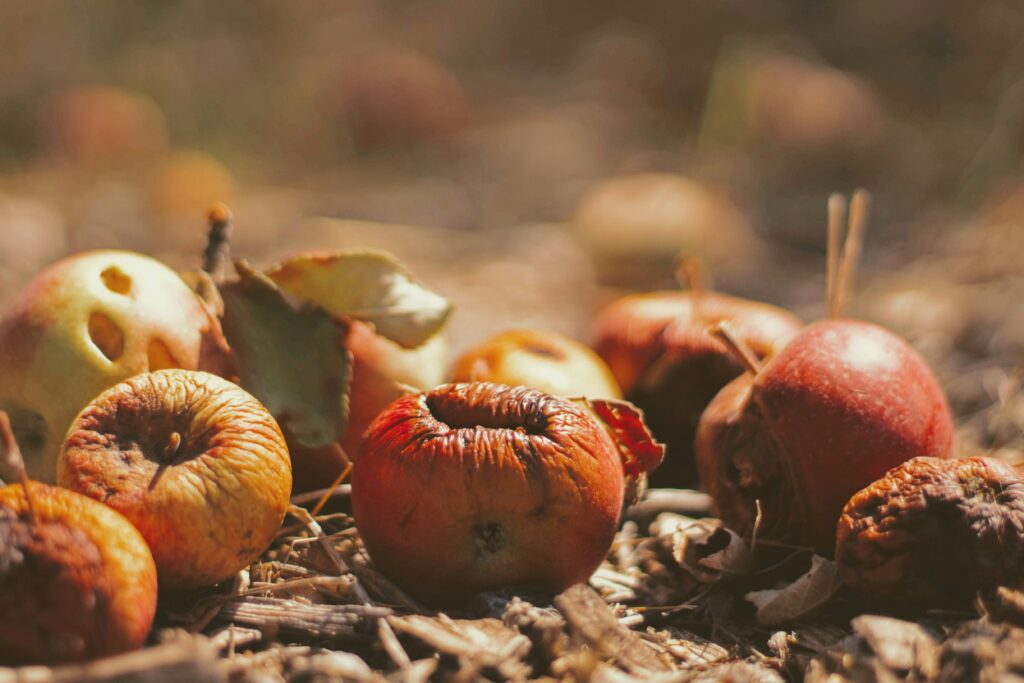
Myth #2: Composting is the ultimate solution
While composting is far better than sending food waste to landfill, it’s not a real solution to the problem. It’s a way of dealing with waste after it’s already happened. The environmental resources used to grow, process, and transport that food are still lost. The biggest win comes from preventing food waste in the first place, followed by redistributing surplus to feed people. Composting should be a last resort, not the first thing businesses and households think of when dealing with excess / surplus food.
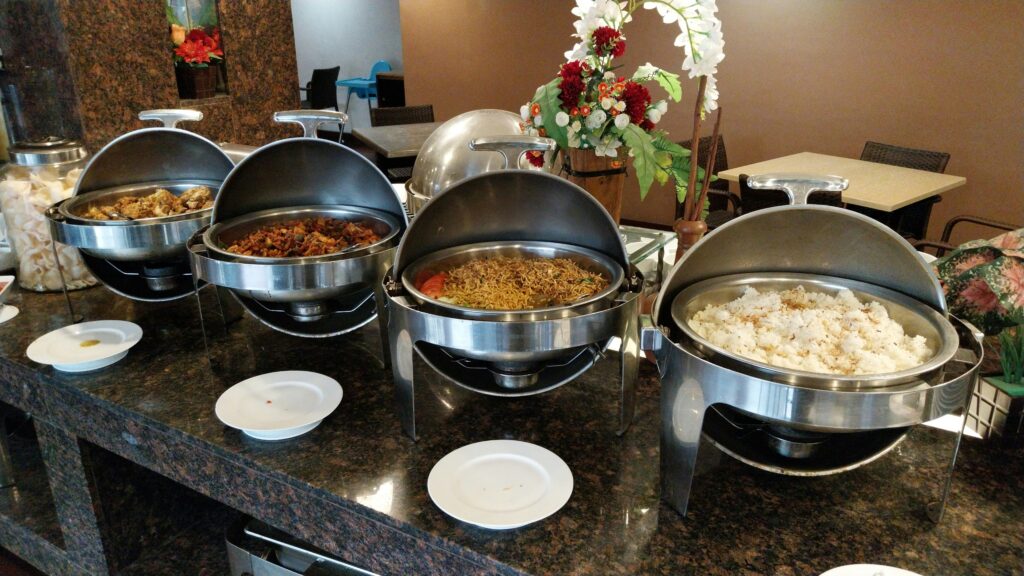
Myth #3: Buffets are the main culprit
Buffets often get a bad reputation for waste, but overproduction is a much larger issue that affects many types of kitchens. Hotels and restaurants frequently prepare more food than needed to avoid running out or to meet guest expectations of abundance. Even à la carte menus and events with plated service can lead to high levels of waste if forecasting is inaccurate. Buffets can be redesigned to reduce waste, but focusing only on them ignores systemic inefficiencies throughout professional kitchens. Capacity building and training plays a big role in getting everyone aligned!
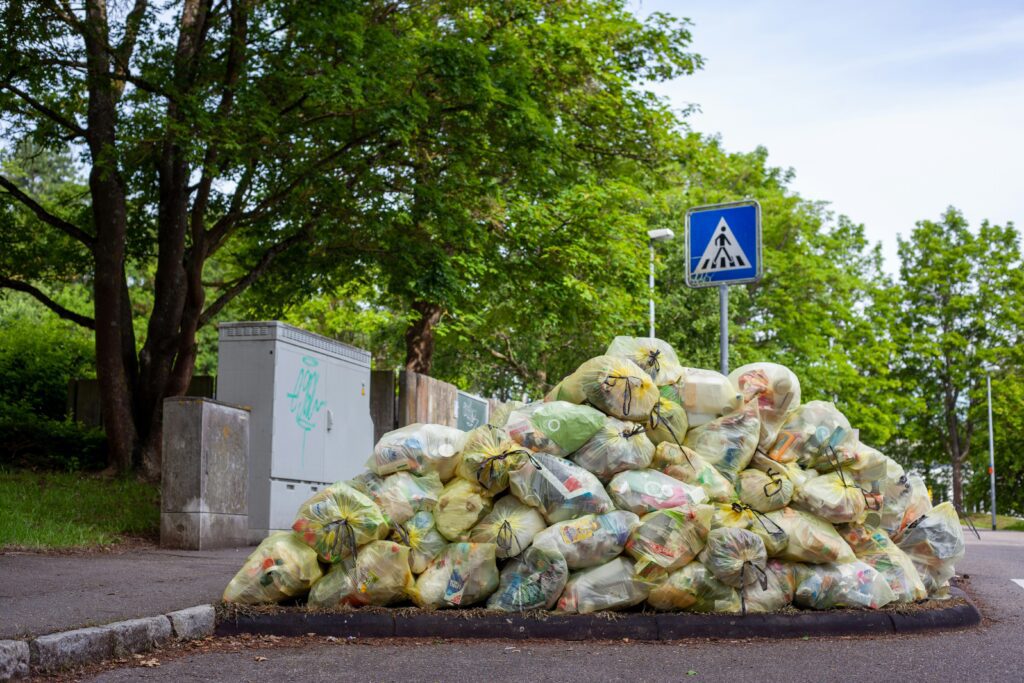
Myth #4: Food waste is unavoidable
Many people believe food waste is simply the cost of doing business in kitchens or a natural part of cooking at home. In reality, proven strategies can reduce waste by 30–50%. From better inventory tracking and smarter menu planning in restaurants and hotels, to improved storage and portion management at home, food waste can be cut drastically. The tools and best practices exist. The only thing missing is awareness and widespread adoption of these solutions.
Myth #5: Expired food is always unsafe
The confusion between “best-before” and “use-by” dates is one of the biggest drivers of avoidable food waste globally. Best-before dates are about quality, not safety. Food is often still perfectly good days or weeks after this date. You can instead use your sense look, smell, and taste whether that food is still edible or not. Use-by dates, on the other hand, indicate food safety and should be respected. This misunderstanding leads to massive amounts of edible food being discarded every day, both in homes and in large-scale kitchens, contributing to unnecessary waste and lost resources.
There is so much that can be done!
Food waste isn’t inevitable. It’s a problem built on misconceptions, outdated practices, and habits we’ve come to accept as normal. By busting these myths, we open the door to better solutions: smarter planning, redistribution, education, and a mindset shift that values food as the precious resource it is. Whether you’re cooking at home, running a hotel kitchen, or managing large-scale events, reducing food waste is possible. It all starts with challenging what we think we know, and as food waste experts we can support you on that journey!

Are you ready to take action on food waste?
We can help you on your journey to towards zero waste!