Page content
For most of the last two decades, climate and nature have run as parallel, separate conversations. Companies build a climate strategy around emissions and science-based targets, while biodiversity, land, and water get treated as a slower, secondary workstream. That separation was always somewhat artificial, and it’s becoming actively costly.
The science says they’re one system, not two
In December 2024, IPBES published its Nexus Assessment, the first comprehensive global assessment to examine biodiversity, climate, water, food, and health as one interacting system rather than five separate crises. Its central finding: these are interlinked crises that compound each other, and treating them separately tends to fix one while making another worse. They have been operating in isolation for too long.
Where treating them separately backfires, in both directions
The clearest failure mode is carbon-only land use. A single-species plantation grown purely to sequester carbon can look excellent on a carbon ledger while destroying the biodiversity the land previously supported, and large-scale bioenergy cropping carries the same risk at scale. The reverse is just as real: climate change is now itself one of the primary drivers of biodiversity decline, so a company running separate climate and nature strategies is managing two symptoms of the same pressure without connecting them.
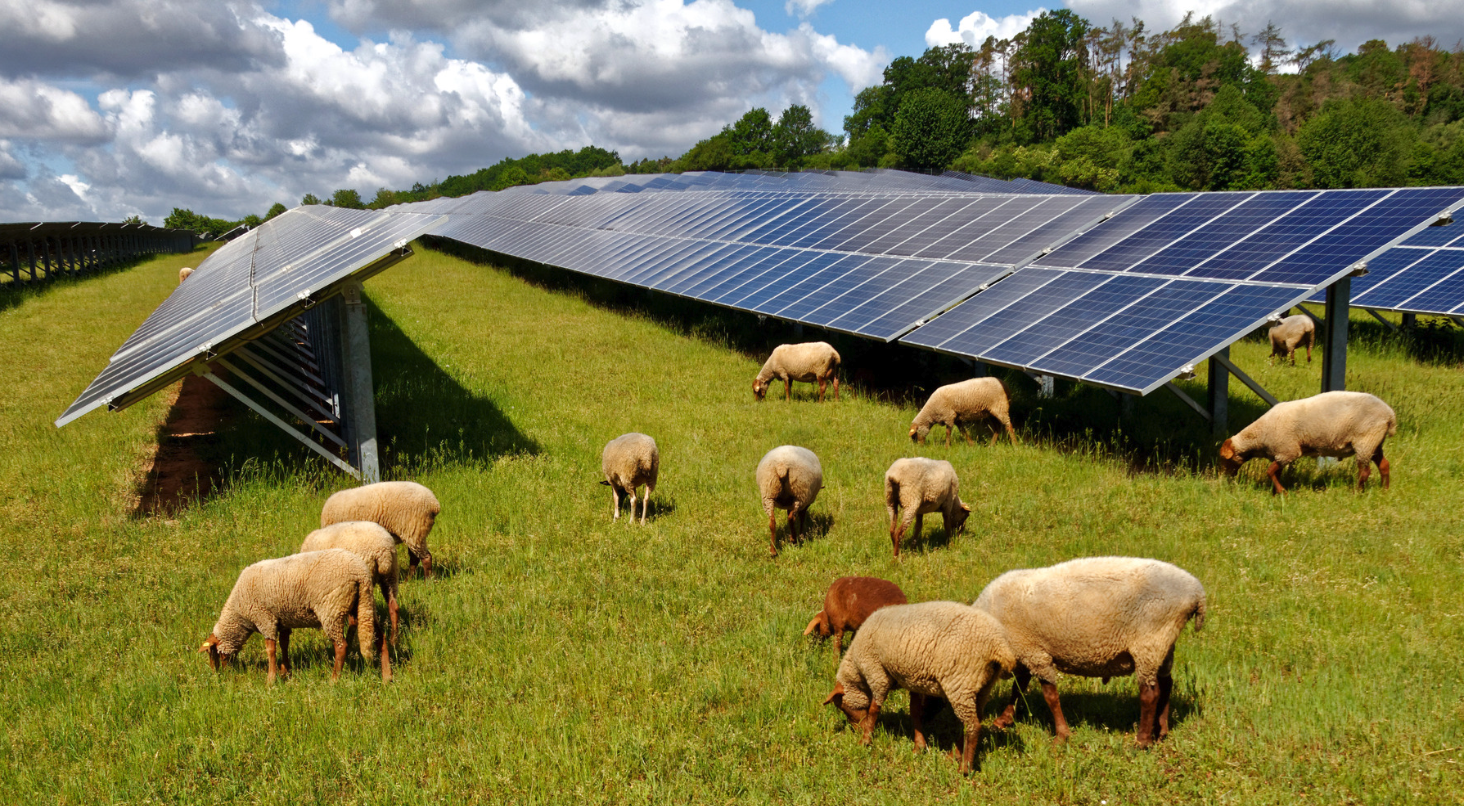
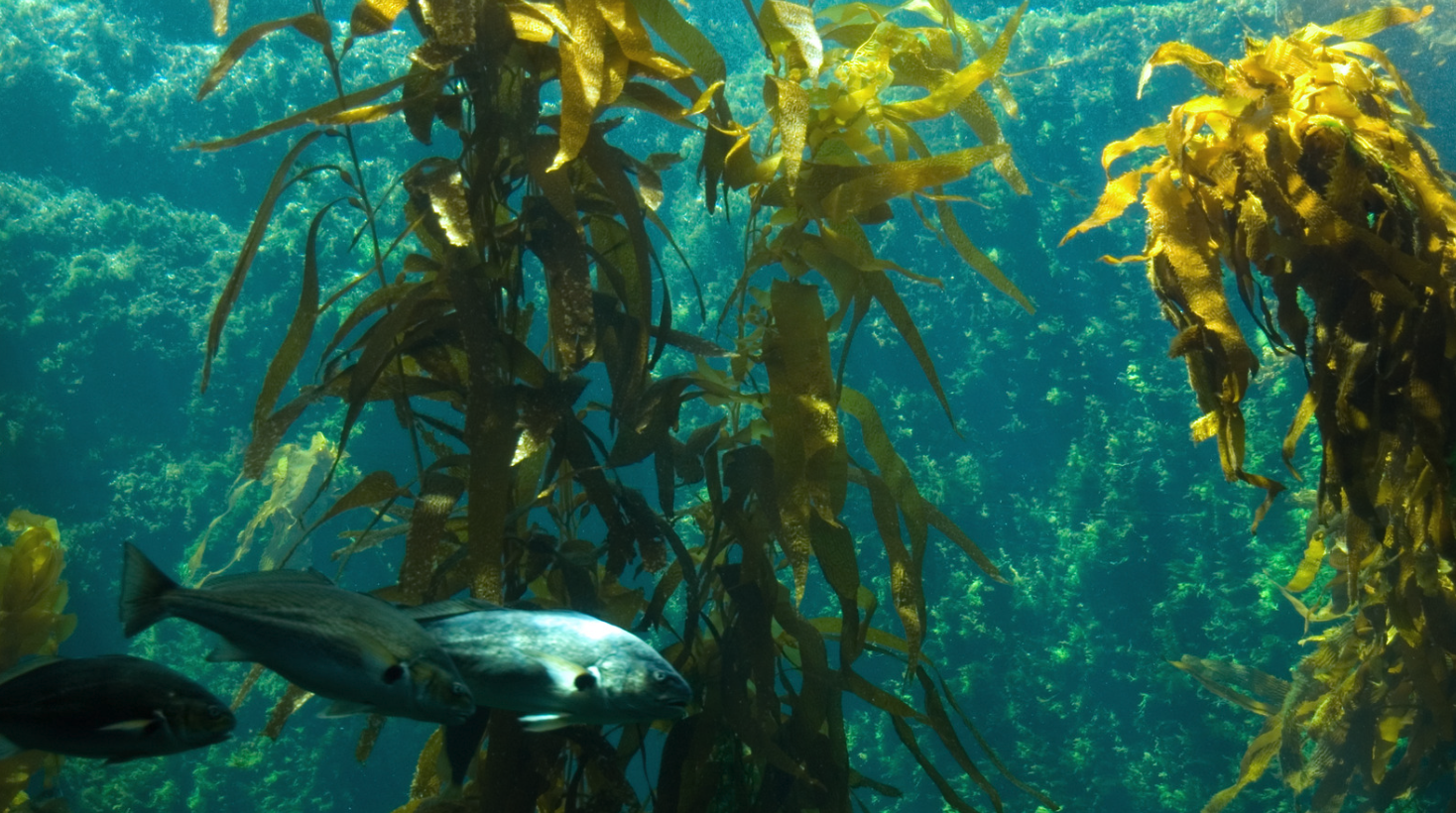
The relationship also runs the other way productively. Wetlands regulate flood water, green infrastructure cuts urban heat, and mangroves and seagrass sequester carbon faster than terrestrial forests. Research into natural climate solutions found real mitigation potential specifically because those models included a biodiversity constraint, ruling out converting natural habitat or native grassland purely for carbon. Take biodiversity seriously as a constraint, and nature-based climate solutions don’t get weaker; they get better designed.
Why we frame it as nature first, climate within it?
At Quest, we treat nature as the overarching system and climate as one process operating inside it. Climate regulation is one ecosystem service among others, alongside water cycling, pollination, and soil formation. Carbon got a decade’s head start in corporate reporting because it was the easiest variable to measure, not because it was the most important one in the system. That’s a systems-thinking distinction: it means starting from the state of the underlying system and treating climate stability as one output of that system’s health. It’s the difference between managing a thermostat and understanding the building it’s attached to.
What running them together actually looks like
In practice, this is sequencing and shared infrastructure, not two parallel teams:
- One materiality assessment, not two. The same supply chain and geography data that flags climate transition risk can flag nature dependency risk in the same pass.
- Interventions get checked on both ledgers. A restoration or land-use project has to show a real biodiversity outcome, not just a carbon number, before it counts as a win.
- Governance merges rather than duplicates. A climate governance committee and disclosure workflow built for TCFD can usually extend to cover TNFD, since it was designed to.
The Bottom Line

Are you ready to take action for nature?
We can help you on your journey by engaging with your suppliers, setting your strategy, and defining your impacts and dependencies.