Measuring the carbon footprint of the FOMU
The challenge

Turning a climate ambition into something measurable

Impact Area: Public & Social

FOMU, the photography museum in Antwerp, had set itself a clear strategic objective: to demonstrably reduce its carbon footprint over time. But “demonstrably” requires a starting point, and that was exactly what was missing. Before any reduction can be claimed, an organization needs a credible, comparable baseline to measure against.

For a cultural institution, that baseline is anything but straightforward. FOMU is not a single building with a single activity; it combines a museum, offices, a café and a cinema, often behind shared meters. Its impact reaches far beyond its own walls, into the materials of every temporary exhibition, the international transport of loaned works, the goods and services it buys, the waste it generates, and the tens of thousands of visitors who travel to see it. Capturing all of that in one consistent, standards-based picture was the real challenge.

About FOMU

Antwerp's photography museum

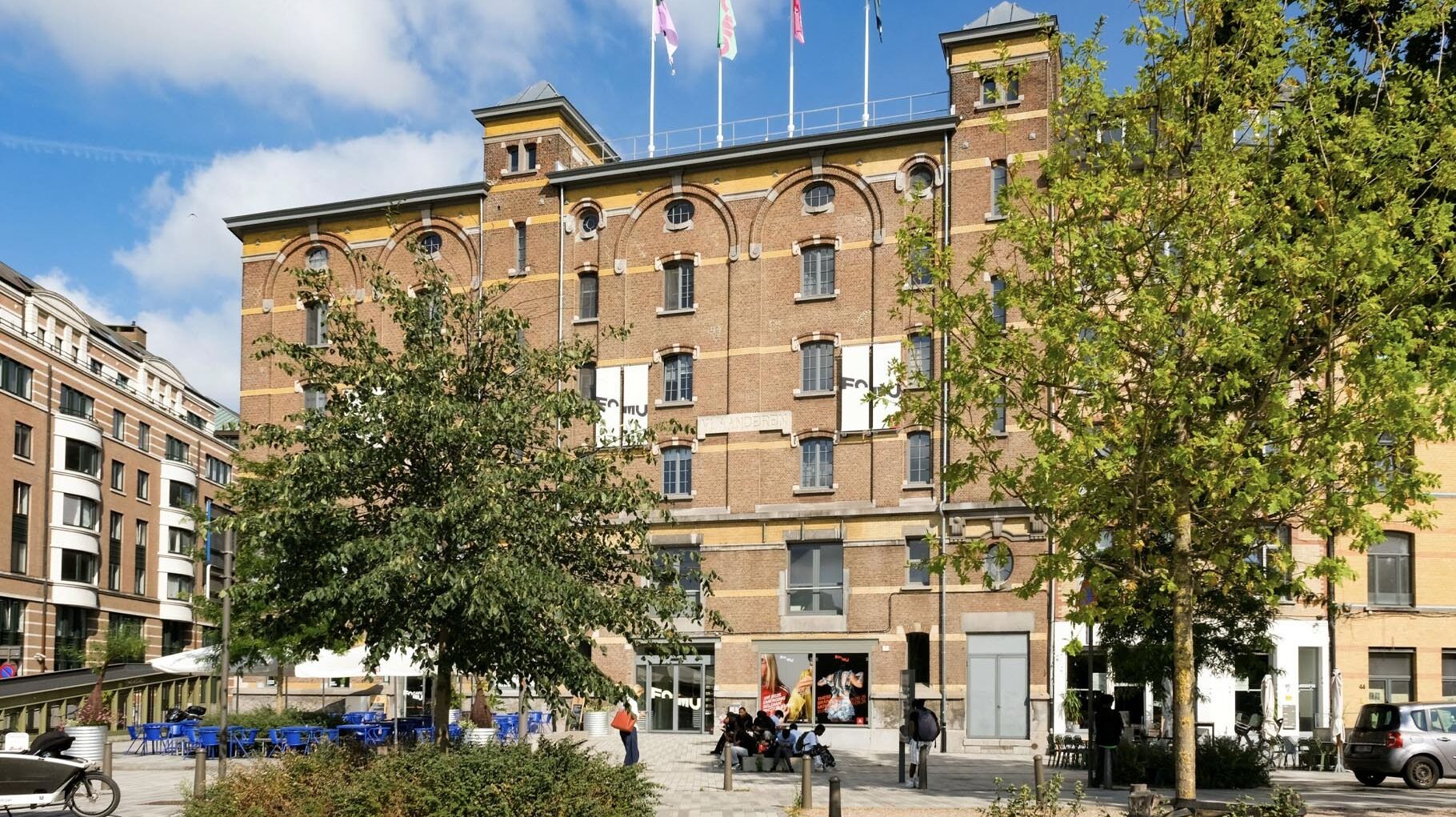
The FOMU Fotomuseum of Antwerp houses one of the most significant photo collections in Europe, featuring both equipment and photo documents. Each year, the FOMU presents several temporary exhibitions by nationally and internationally renowned photographers.

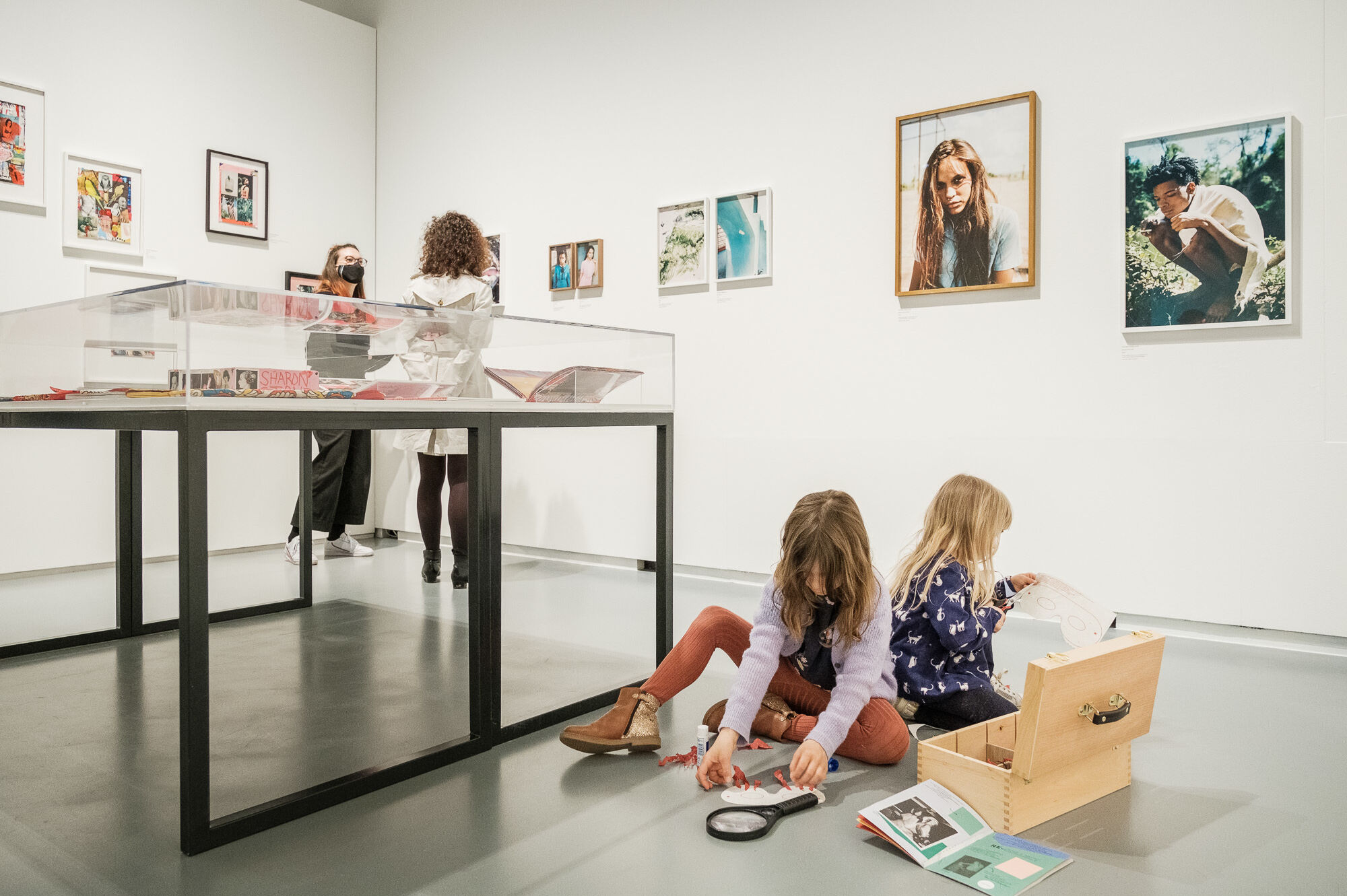
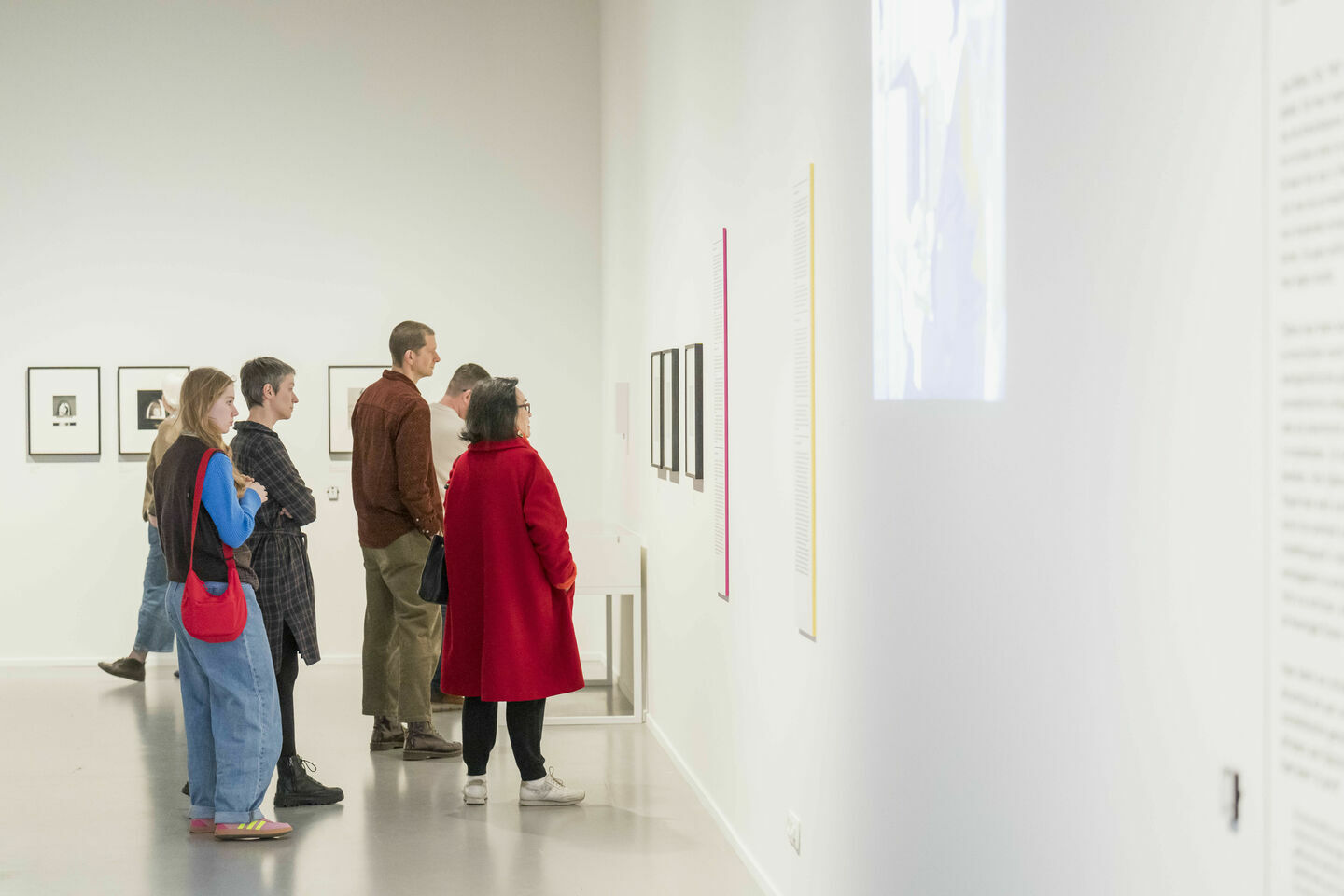
The museum’s displays change every four months, showcasing photography as a medium that is part of a broader social and cultural context. Visitors can also attend lectures and workshops, visit the museum shop and the museumcafé Pixel.

Our approach

Building a credible 2024 base year, scope by scope

We calculated FOMU’s full carbon footprint for 2024 in line with the GHG Protocol, the international standard for greenhouse gas accounting. That meant looking well beyond the obvious and accounting for direct emissions, energy-related emissions, and the much wider set of indirect emissions across the value chain. This is how we approached it:

  • Mapping the full footprint across all three scopes

    We structured the assessment around the GHG Protocol’s three scopes: direct emissions from on-site fuel use, indirect emissions from purchased energy, and indirect value-chain emissions. For the value chain in particular, we worked through the framework’s fifteen categories and identified which ones are genuinely material to the way a museum operates, so the effort went where the impact actually sits.

  • Translating operational data into reliable activity data

    Real-world data rarely arrives in tidy, ready-to-use form. We gathered activity data expressed in very different units, from energy use and procurement spend to surface areas, waste volumes, travel routes and visitor numbers, and matched each to the most appropriate emission factor. Where primary data was incomplete, we made transparent, well-documented assumptions and flagged exactly where future metering would sharpen the result.

  • Engaging suppliers to strengthen the value-chain picture

    Value-chain emissions are often the largest and the hardest to pin down. Rather than settle for spend-based estimates alone, we engaged FOMU’s most material suppliers to obtain more accurate, product-level data where it existed. Several responses allowed us to refine estimates, in some cases downward, in others upward, and to identify where suppliers could track better data going forward.

  • Modelling the emissions of getting visitors through the door

    A significant share of a museum’s impact comes from the travel of its visitors, even though FOMU never pays for it directly. Using visitor-origin data, we modelled this downstream transport with carefully reasoned assumptions about distance, likely transport mode, and how much of each journey could reasonably be attributed to a FOMU visit.

The result

A baseline FOMU can act and build on

FOMU now has a robust 2024 base year that turns a strategic ambition into a measurable reality. Year after year, the museum can track its progress against a consistent, standards-based reference rather than relying on good intentions.

Just as importantly, the exercise made visible where impact actually concentrates, and translated that into a prioritized set of reduction levers. Alongside the numbers, FOMU gained a repeatable measurement method and a supplier-engagement process that will keep improving data quality over time, and a credible foundation to communicate about its climate progress with confidence.

Schedule a call 20min

  • Company intros
  • Discuss needs
  • Explain our vision and approach

Other Cases

Rubenshuis

Measuring the carbon footprint of Rubenshuis

Building a multi-year GHG Protocol footprint across Rubens’ historic house, research institute and visitor centre, so climate action can be steered by evidence.

IMS

Helping 9 organizations (Caceis, Novotel, European Investment Bank, ...) on their nature journey

Inspiring and engaging 9 organisations around a common framework for Nature

back to: Cases