Fundraising tactics for Studio Globo

Studio Globo?

Studio Globo is an NGO that specializes in development education. They offer a wide range of classes, workshops, and immersive experiences to students from early education to university degree programs. These are not your traditional classroom setups. In several locations across Belgium, Studio Globo has ‘immersion studios’ with a wide range of topics.

You can enter one of their studios and experience a taste of life in India, Congo, Peru, or Guatemala. Or learn how to positively deal with diversity, or experience how it feels to live in poverty. Studio Globo also offers educational workshops, neighborhood walks, and immersion boxes for schools.

The Studio Globo immersion studios mimic the life in certain countries. In this case: Peru

Challenge

Despite being fully booked year in and year out, Studio Globo was seeking guidance to help them elevate and expand their fundraising efforts. That’s why they asked us to:

  • help them select and implement the right fundraising tactics for their organization
  • help them with their first fundraising campaign (go take a look and support hem)

Understanding fundraising tactics

To be able to help Studio Globo find and select the right fundraising tactics, we analyzed over 60 NPOs and NGOs. Through this research we identified over 40 different B2C and B2B fundraising tactics and uncovered some more interesting insights:

  • About 95% of the analyzed organizations use more than one fundraising tactic. On average they combine 5 different tactics.
  • A lot of NGOs and nonprofits depend solely on subsidies.
  • Fundraising is not only about asking for donations, fundraising is about creating sustainable streams of income.
  • Fundraising is also about creating awareness.

The results of in-depth research like this are always illuminating. We found so many new fundraising tactics that were a real inspiration for us and the Studio Globo team.

– Janao, Business & Service Designer – Quest

Fundraising workshop

All insights from our extensive research were leveraged during a co-creative workshop with the Studio Globo team. We presented different fundraising options and through a series of custom exercises we were able to select the tactics that would best support their goals.

They were able to make real and actionable decisions during the workshop and afterwards created a fundraising strategy that leverages the resources, knowledge and network they already have.

The result

As a result of the fundraising workshop, we delivered a prioritized list of B2B and B2C fundraising tactics, adapted to the needs, wishes, resources, and target audiences of Studio Globo. They immediately wanted to implement the first tactic with a fundraising page on their website. And they asked us to do the UX design of the fundraising section.

We integrated several ways of supporting Studio Globo on the fundraising page. Whether it’s through a direct donation, volunteering, setting up a fundraiser, or buying something through Trooper, everyone can easily find a way to help.

Feel inspired and want to support their cause? Go to www.studioglobo.be/steun or check out their current fundraising campaign.

A human-centric approach to reports

Fashion for Good (FFG) is an Innovation Platform that brings together the entire fashion ecosystem as a convenor for change. The foundation opened the world’s very first museum dedicated to sustainable fashion innovation in Amsterdam.


The Fashion For Good accelerator program unites innovators and top-name brands to revolutionize our current fashion system. With its accelerator program, FFG has become a resource hub. It publishes a variety of open-source circular apparel tools, guides, reports, and thought leadership pieces.

Making Libraries Accessible

A simple, easy-to-use library 

As Fashion for Good continues to grow, so will its publications and research articles. With an influx in materials and research, it will continue to get harder to have pieces stand out.  They came to us to encourage readers to interact with the materials that were of best use to them.

As part of their library of resources, we created a few small yet impactful changes to help users identify the most relevant information. First and foremost, we created a user-friendly drop-down menu that allows users to filter resources based on topic category, publication year, and theme.

To go a step further, just as we did for their events pages, we also developed easy-to-use tags for FFG to integrate into their images online. These tags are another way to filter topic categories that allow users with different needs to view the resources.

Engaging & Interactive Reports

Engaging Reading Experience
As we continue to upgrade the user experience of the FFG websites, we knew that simplifying and organizing their resources was not enough. The reports themselves needed to entice users to want to participate, click or download.

By sectioning out the reports and making them easy to read, users interact with the material differently than before. Previously, users would download reports and would have to scroll the entire document. With this latest upgrade, users can click at the point that is useful and interesting to them.

For accessibility purposes, we also kept both download and online versions of these reports to support all needs.

Need help engaging your audiences with your research? 


We create seamless digital experiences that are relevant to your target audiences, easy to use, and delightful to interact with.

Digital mindfulness: an impactful growth strategy

The challenge

Breathworks is a small non-profit organization providing mindfulness-based stress and pain reduction in Ghent. They approached us with the question to help them grow without losing their authenticity. Because of their focus on improving the well-being of their clients, they failed to create enough financial breathing room to grow the business.

Their questions:

  • create financial stability and enough room to invest in growth
  • make it possible to pay the owner a regular salary instead of minimum wage
  • increase brand awareness and reach new clients
  • understand the perception and needs of clients to improve services and create new offers
  • gain insight into the market and competitors in order to better differentiate

Understanding the digital mindfulness market

To gain insight into the digital mindfulness market and understand differentiation possibilities, we took a deep-dive into 20 local and international competitors, and 5 companies in similar industries. An analysis of their website, offer, pricing and communication provided us with interesting insights:

  • Very few mindfulness providers have a professional website
  • There are new potential target audiences
  • Pricing can be increased
  • New possible business models and product-market combinations
  • Clear differentiation possibilities
Digital mindfulness: rocks on the shore

Understanding digital mindfulness clients

For this small mindfulness center, the clients have always been at the heart of their services. But knowing what clients really think, expect and need is very hard. These insights are key when creating new offerings and trying to reach new clients. Through in-depth interviews with their clients we uncovered valuable insights:

  • A lot of happy customers only buy 1 course, there’s a real opportunity to increase customer lifetime value
  • There’s a big barrier to start with mindfulness
  • The perception of mindfulness in general needs to be changed
  • Clients were not happy with the location where the sessions were held
  • There is room to increase the prices
  • The biggest challenge for clients is to practice mindfulness on a regular basis
Digital mindfulness: woman on the edge of a cliff

Co-creating an actionable digital mindfulness growth strategy

Through a series of co-creative workshops with the internal team, we were able to create an actionable roadmap to sustainable growth, without losing the identity or authenticity of the organization. We analyzed their current business model and identified opportunity areas and potential new business models. Leveraging the market and client insights, we ideated about new product-market combinations, ways to lower the barrier of entry and how to create more brand awareness in order to reach new clients. Through a prioritization exercise, we created an actionable roadmap with low-hanging fruits and long-term goals.

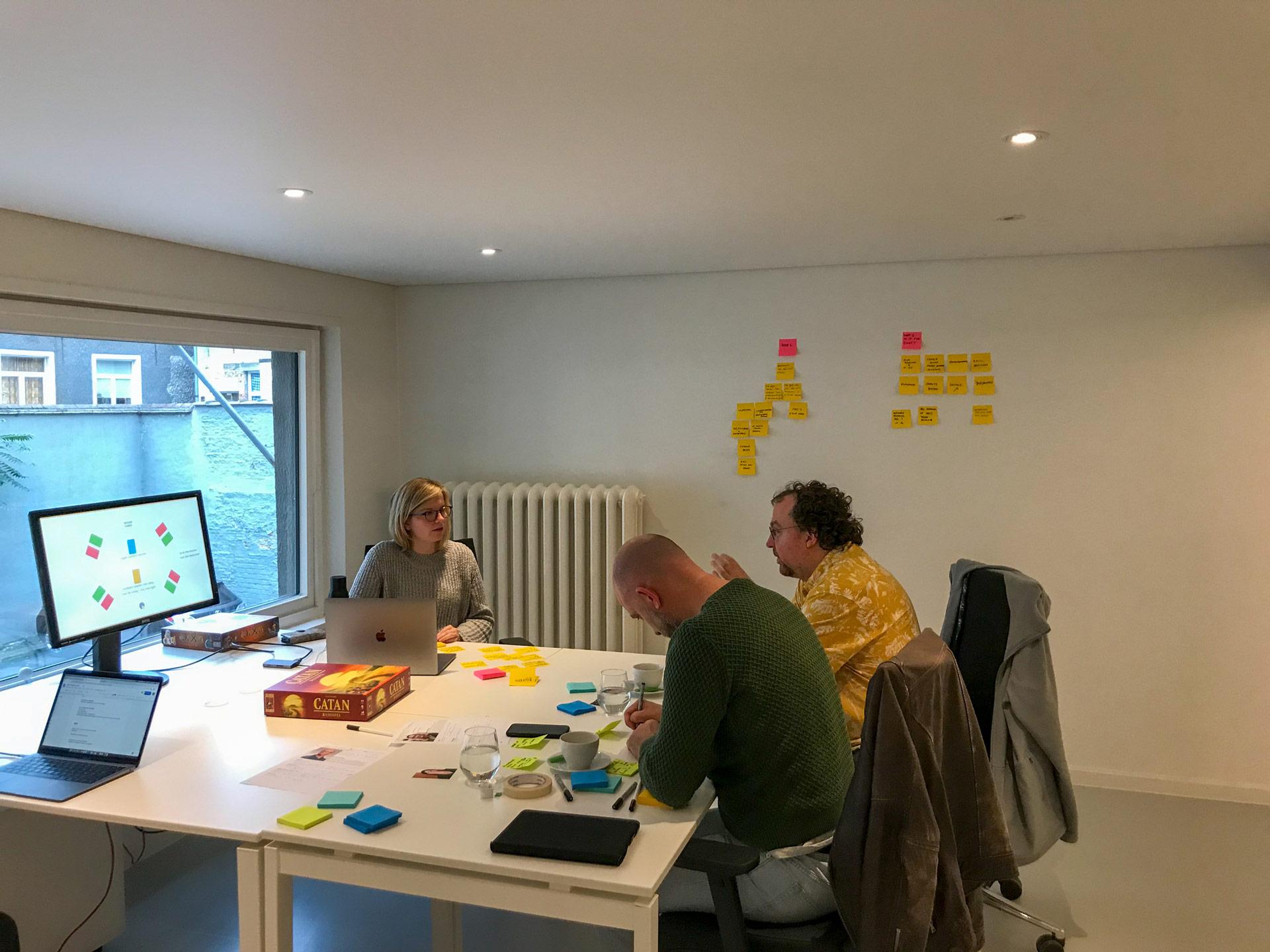
Co-creative workshops with the digital mindfulness company's team

The result

By immediately implementing some of the short-term goals, the organization was able to create more financial stability, focus on increasing their brand awareness, grow their client base and offering, and make their clients happier. Some of the actions they took:

  • Increased prices
  • A new location for sessions
  • Expanded to new B2B target audiences
  • A new digital solution to make mindfulness easier to start with, and practice daily
  • Clearer website structure
  • More professional branding

Continued collaboration

To achieve their growth ambitions, Breathworks realized they needed more support throughout their journey. Someone needed to challenge their ideas and steer them in the right direction when needed. Through a flexible coaching program we’re supporting them in achieving their goals and growing their business in an authentic and smart way.

Creating an educational game to boost unconditional cash transfers to developing countries

Challenge

Eight is a Belgian non-profit organization that uses unconditional cash transfers to help people in Uganda out of extreme poverty. For 2 years they give a basic income to all inhabitants of a village, without asking anything in return.

Despite its scientifically proven effectiveness, this unconventional form of development aid raises many questions. We developed an educational game that will help Eight’s founders facilitate the discussion of unconditional cash transfers and encourage other organizations to follow the magnificent example of Eight.

We want to innovate the sector of development aid

– Maarten Goethals, Co-founder @ Eight

Co-creating the game

In order to fully understand the situation in which the educational game will be used, we spoke with a number of potential users. Some key takeaways from the interviews:

  • Discussions and the exchange of ideas are very important. The target group prefers to learn from the experiences of others.
  • The target group is very action-oriented. They want to be able to apply what they learn.
  • There is often a time limit. It is therefore important that the game can also offer enough value within a short time frame.

During a co-creation session with the founders of Eight, we determined the goal of the game and the intended impact on the players. Once this was clear, we created the first version of the game during an extensive brainstorming session. The game concept was then further sharpened through iterative prototyping and testing.

Co-creation workshop with the founders of Eight

How the game works

The game consists of several rounds. Each round focuses on a theme related to unconditional cash transfers:

  • Scarcity
  • Aid without conditions
  • Aid without advice
  • Evidence-based
  • Digitization
  • Empowerment
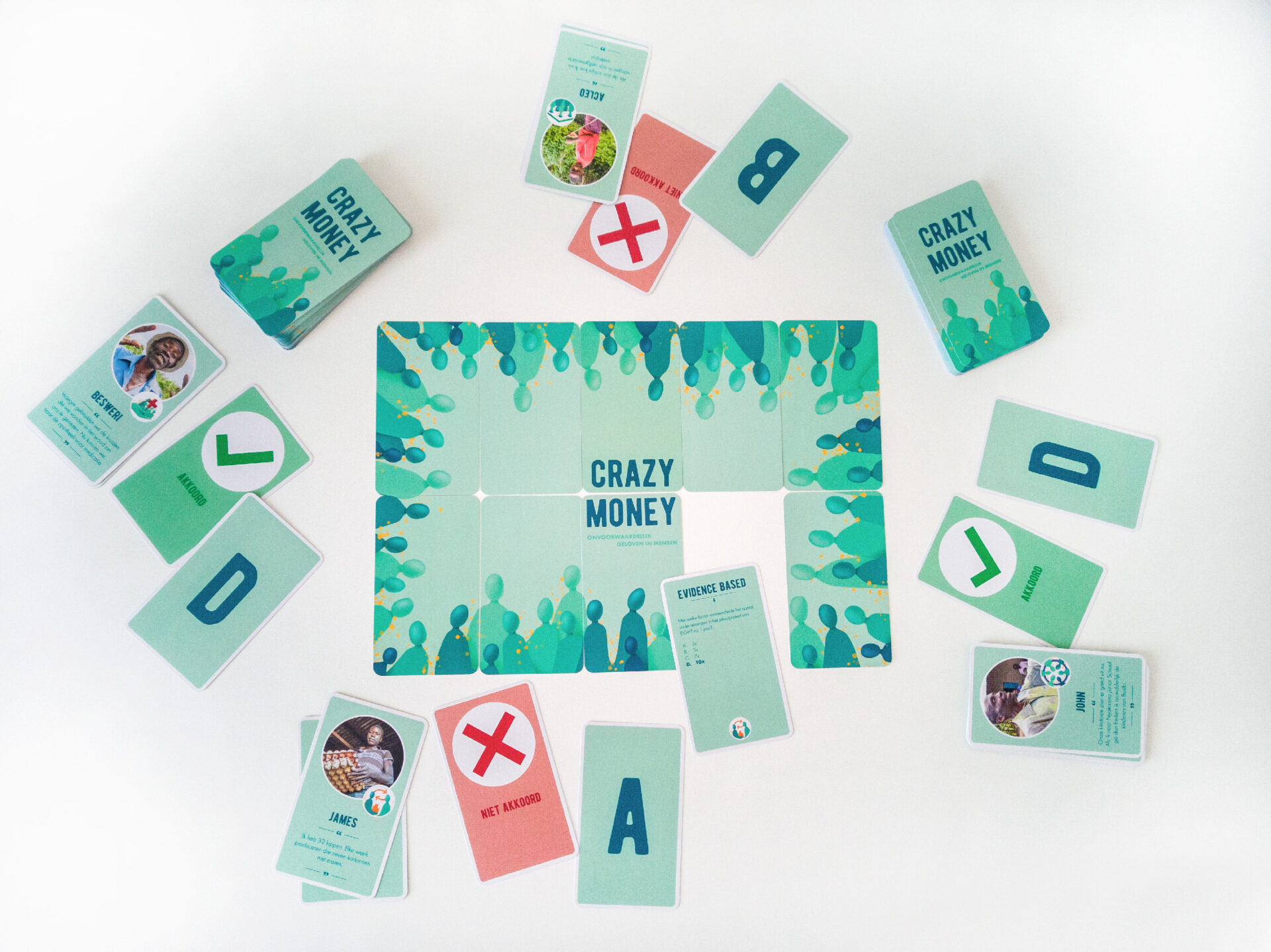
An overview of the Crazy Money game. The quiz cards - when laid in the right order - form a strong visual

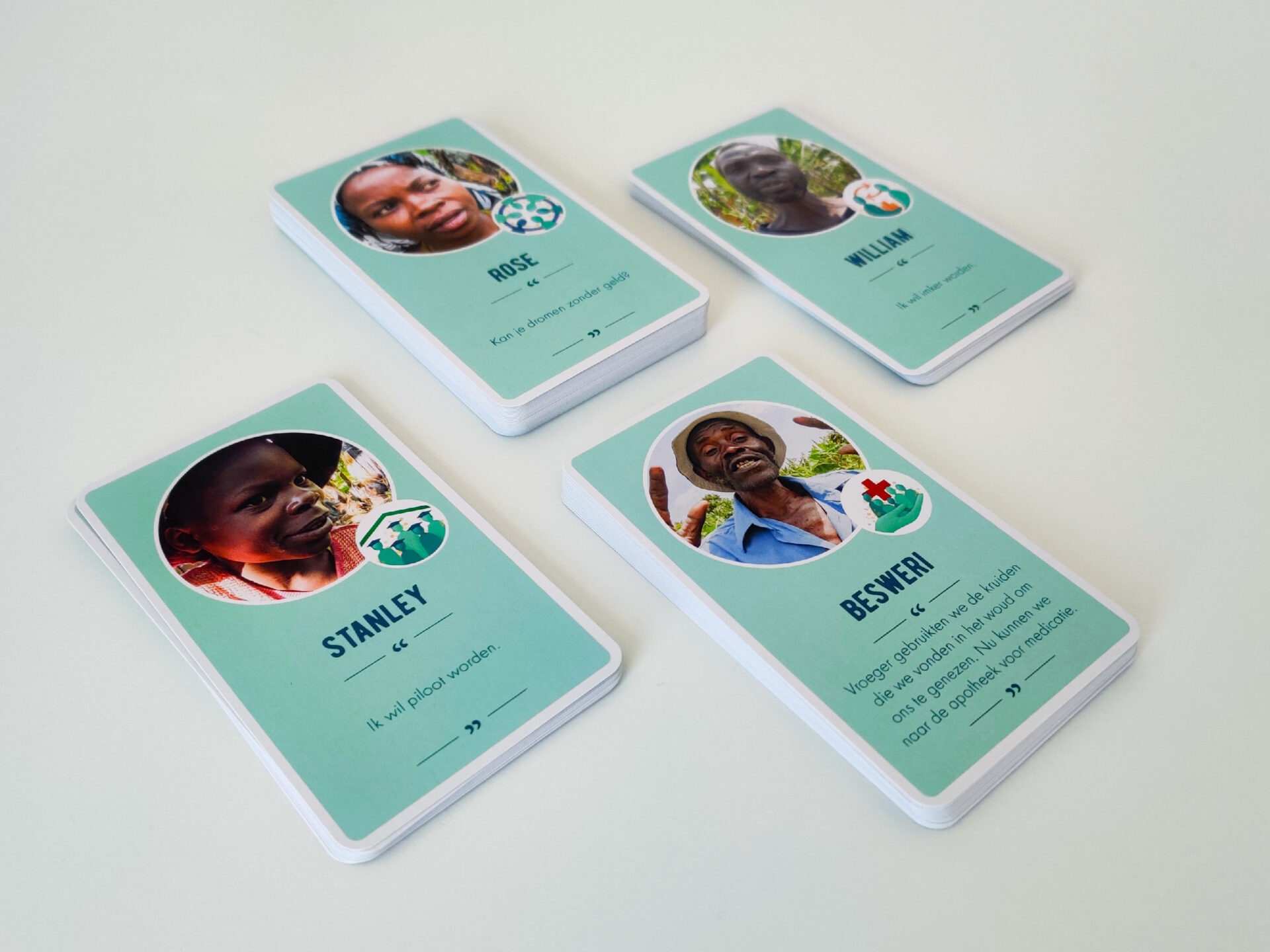
Players can earn points for each quiz question. When they answer correctly, they receive a card showing a resident of Busibi, the first village Eight provided with a basic income.

Each resident tells a unique story using a quote on the card. Players will learn the impact of unconditional cash on the life of this Busibi resident. Each person is also linked to one of the four ‘drivers of change’, the main pillars in which change is needed to get a community out of extreme poverty:

  • Health
  • Entrepreneurship
  • Education
  • Social collective action
An overview of the Crazy Money game. The quiz cards - when laid in the right order - form a strong visual

The more points a player scores, the more “drivers of change” she/he collects. But that’s not the ultimate goal of the game. Getting to know the stories of the residents of Busibi gives them a new boost in confidence in the target group of their own projects. And by seeing the impact on the 4 “drivers of change” they gain new insights that can be applied to their own projects and organization.

A people-centric branding

The most important value of Eight is ‘to believe in people unconditionally’. This value is therefore intrinsically intertwined in the game. By giving unconditional cash to people in extreme poverty you give them a chance to determine their own future. The design of the game clearly reflects this people-centered mindset.

An overview of the Crazy Money game. The quiz cards - when laid in the right order - form a strong visual

A visual identity and website for the most ambitious blueprint for circular fashion

Challenge

The linear take-make-waste model is still prevalent in today’s fashion industry. According to the Ellen MacArthur Foundation, 500 billion dollars of value are lost every year due to clothing underutilisation and a lack of recycling.

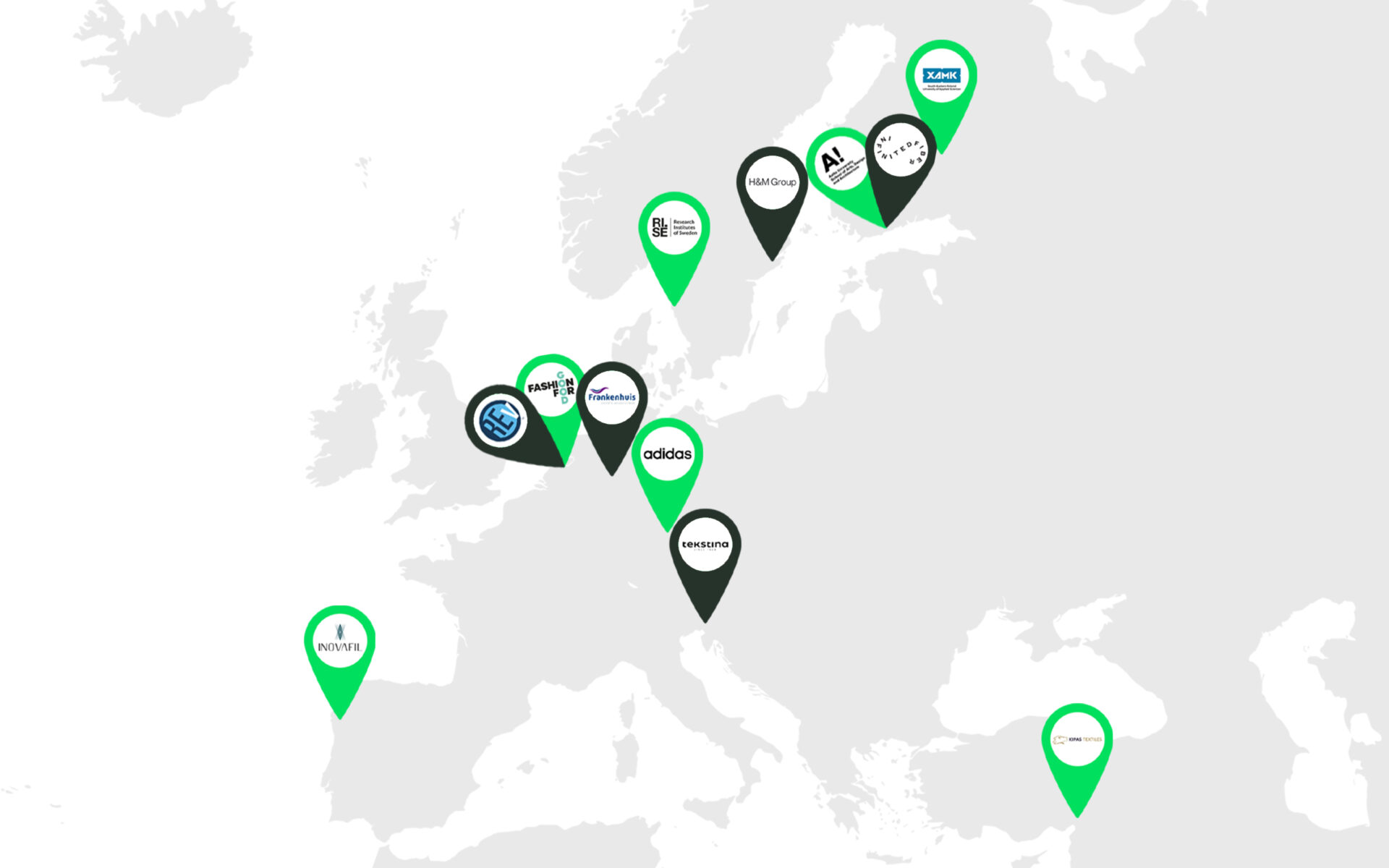
Infinited Fiber Company, a Finnish biotechnology group, has led a successful bid for over 6 million EUR of European Union research and innovation funding. Those funds are used to form a highly ambitious consortium of 12 organizations (including amongst others Adidas, H&M Group and Fashion for Good) whose aim is to create a circular fashion industry blueprint: the New Cotton Project.

The consortium spans 7 countries: Finland, Sweden, Germany, The Netherlands, Portugal, Slovenia and Turkey

The consortium members work together on topics such as waste management, manufacturing, retail, recycling, and academia to devise a new business model and circular system that can lead to industry-wide adoption. If you’d like to learn more about the New Cotton Project, this article by Forbes provides you with a good explanation.

A logo and visual identity

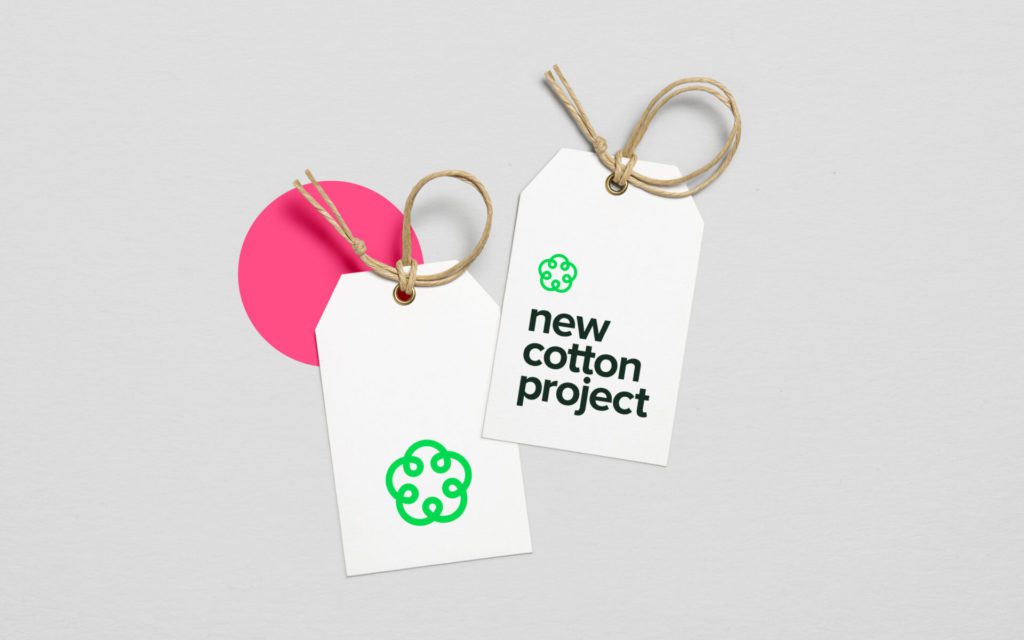
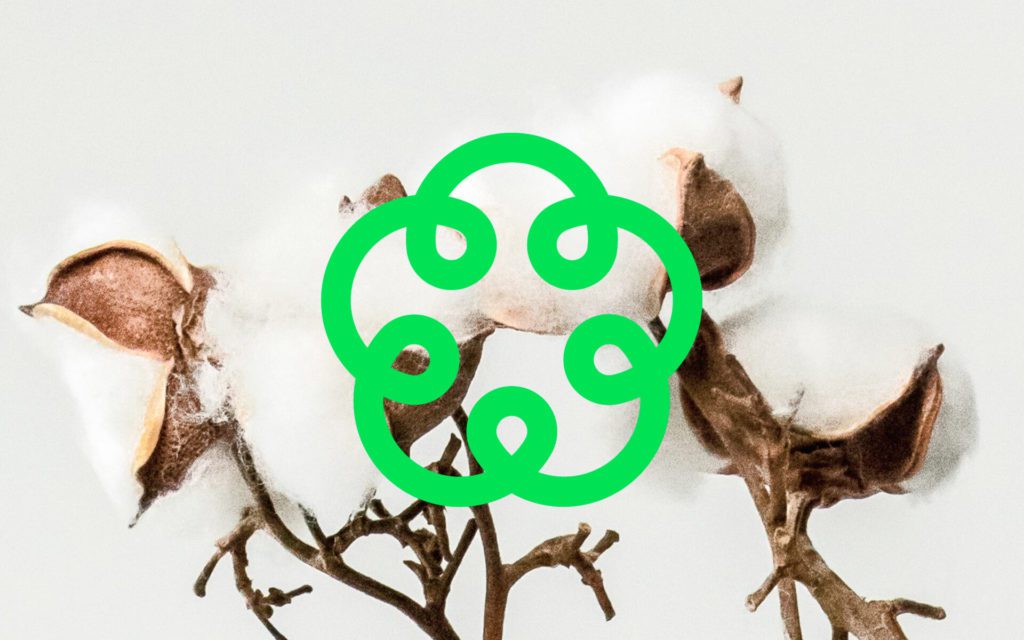
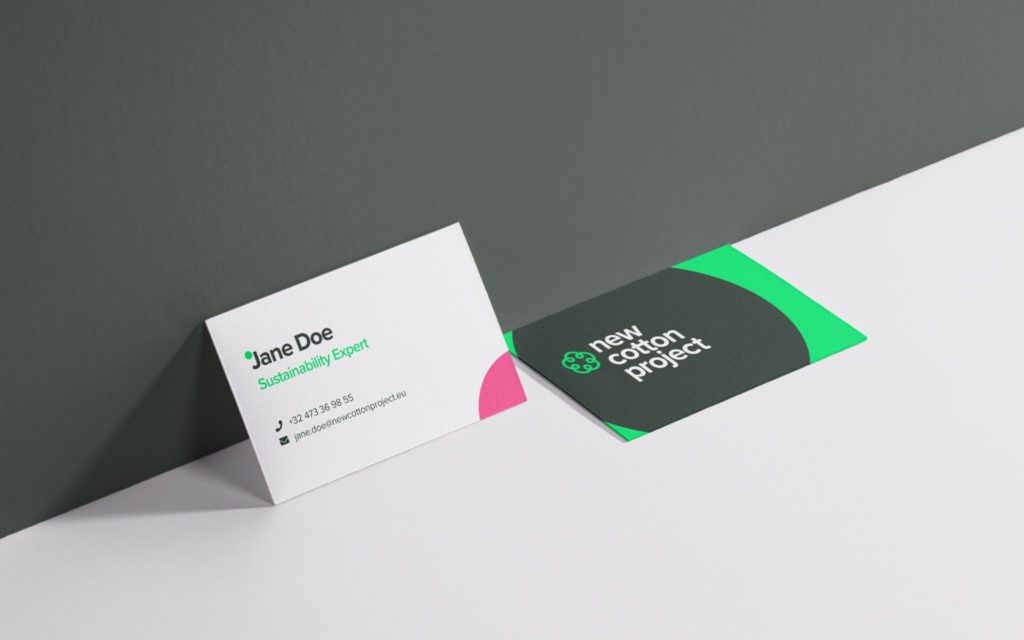
The consortium members asked us to create a fitting logo and visual identity for the New Cotton Project. To align all parties involved we organized a design direction workshop which resulted in a moodboard and key associations. The result speaks for itself.

A clean and clear website

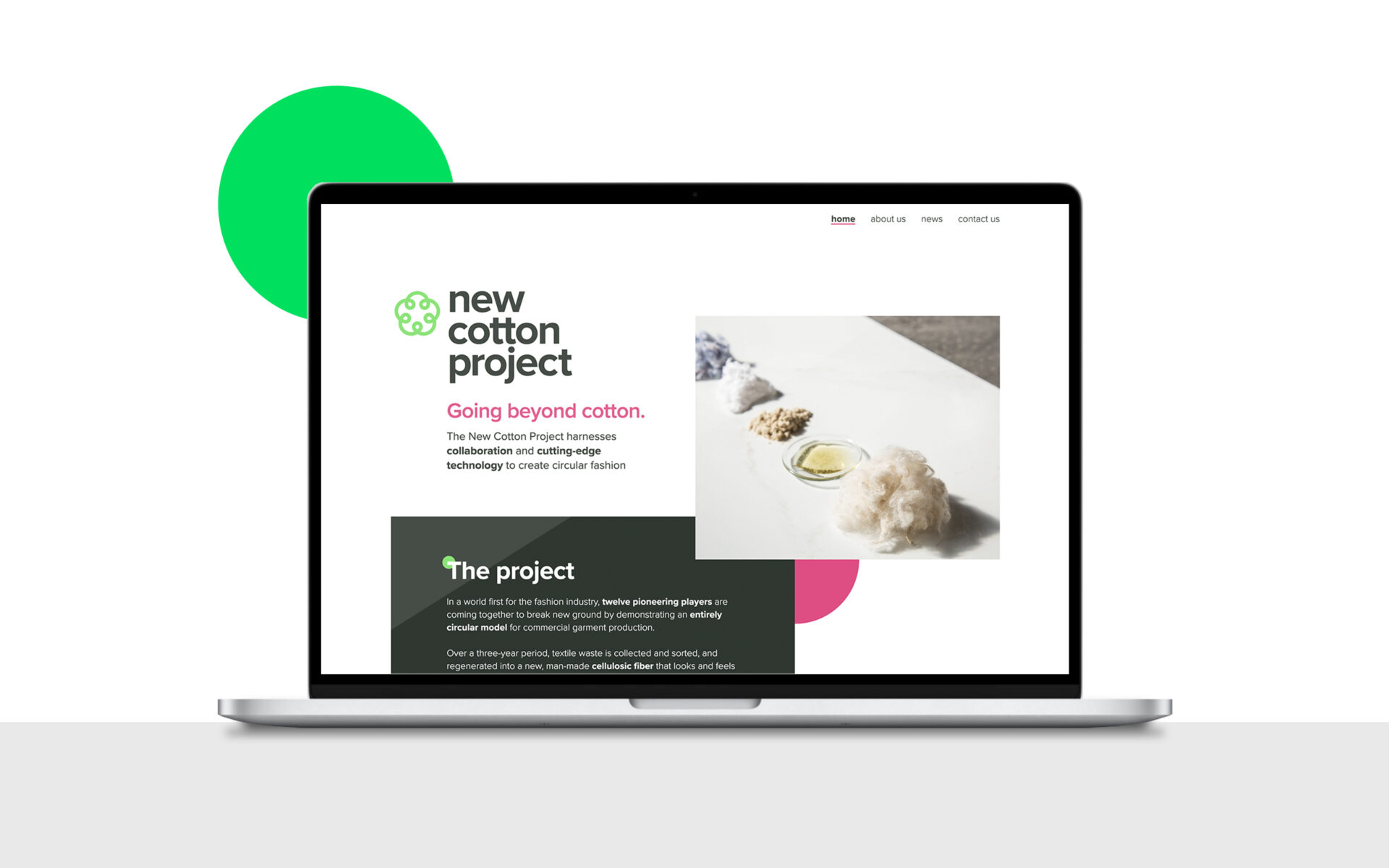
In order to inform all the stakeholders about the impact and progress of the project, the consortium also needed a website. Please make sure to follow how these 12 amazing partners are working on the future of circular fashion on this website.

Creating a human-centric impact strategy for a new non-profit organization

Challenge

Local Heroes is a Belgian non-profit organization that wants to empower communities in Uganda to become self-sustainable and to further develop their region from within. The premise of Local Heroes (when they first knocked on our door to create a logo and visual identity for their organization) was that people in developing countries need water to survive and entrepreneurship to develop themselves further and not depend on others.

But is that really the truth? Local Heroes asked us to challenge their ideas, determine which problems they should focus on to create the most impact and jointly search for the business and impact model for the non-profit 3.0.

We didn’t want Local Heroes to fall into the typical ‘white savior trap’. Our main goal was to create a non-profit organization with a sound business model and a human-centric approach to development aid.

– Michael Boschmans, Founder

The problem with water

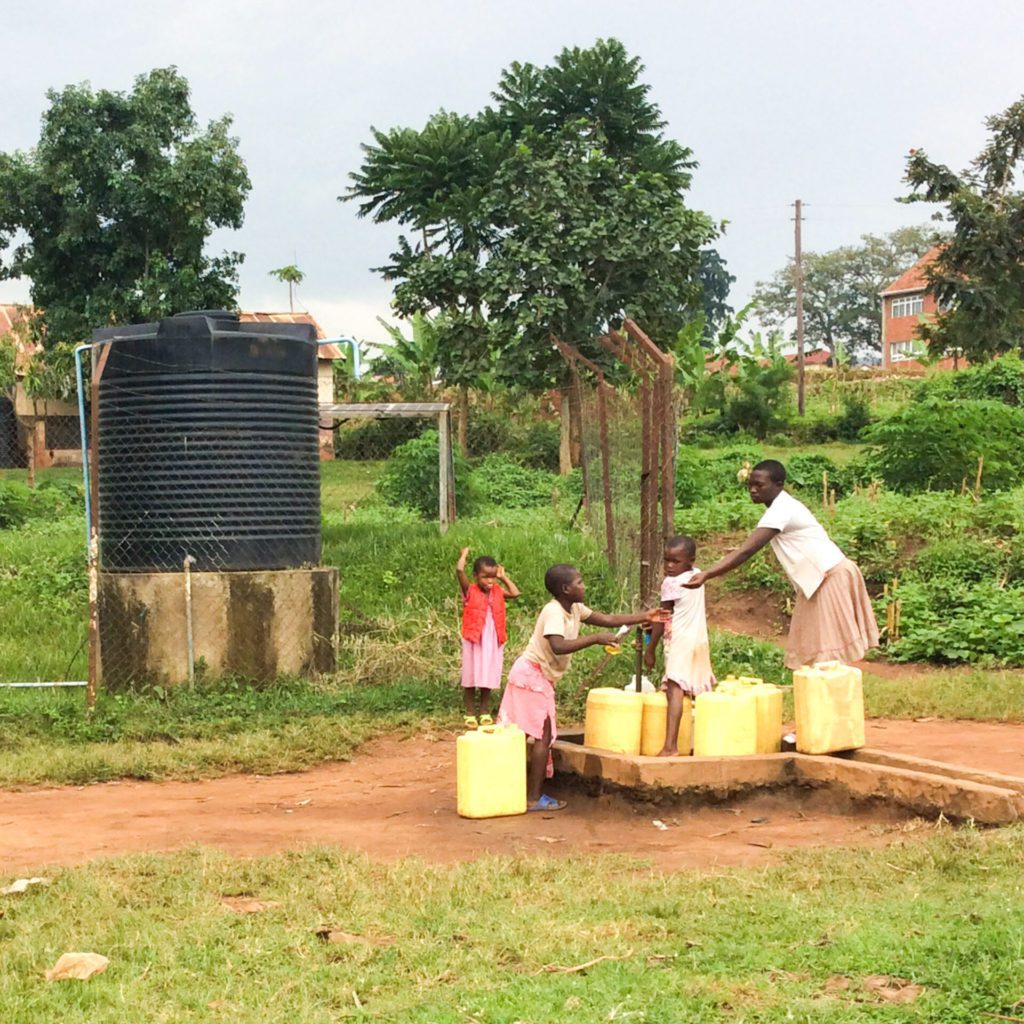
1.1 billion people worldwide don’t have access to drinking water and by 2025, ⅔ of the world population could be facing water shortages. The water problem is indeed very serious. But is it efficiently addressed in e.g. Uganda, the country Local Heroes first wants to focus on?

According to research, nearly 60% of all water projects in Africa fail. The problem: with the best intentions, non-profit organizations invest in installing these wells, but none of the locals know how to maintain or repair such an installation. So the community is back to square one: no water and the same dependence on external parties.

According to WellAware, nearly 60% of water projects in Africa fail, often within the first year.

So is installing wells the right solution? Or is it more efficient to teach the locals to repair and maintain the existing wells? Is access to water even the right problem to tackle at all? What about education, healthcare, scarcity, immigration, child labor…? In other words: how can Local Heroes ensure that they tackle the right problem and come up with the right solution for the locals, without making them dependent on their presence?

Understanding the problems and the context

In search of the right business and impact model for Local Heroes, an extensive research project was set up together with two amazing service design interns from the Royal College of Art in London: Emilia D’Orazio and Amogh Lux. Challenge number 1: finding out which problem Local Heroes has to tackle and how.

Emilia and Amogh during one of the many workshops

In order to correctly identify the biggest problems in Uganda, it is necessary to look at the broader context and understand the situation at an economic, social and cultural level. In an ideal scenario, researchers spend several weeks to months on location to analyze all these aspects and talk to locals. But in reality there is rarely room for this, especially within the limited budget of a starting non-profit organization like Local Heroes. As an alternative, various forms of remote research were used to deepen our understanding of the situation as much as possible.

We didn’t have the resources to spend several weeks in Uganda to research what the people in the country really need, so we were challenged to think of alternative, more remote forms of research.

– Emilia and Amogh, Service design interns – Quest

Macro perspective

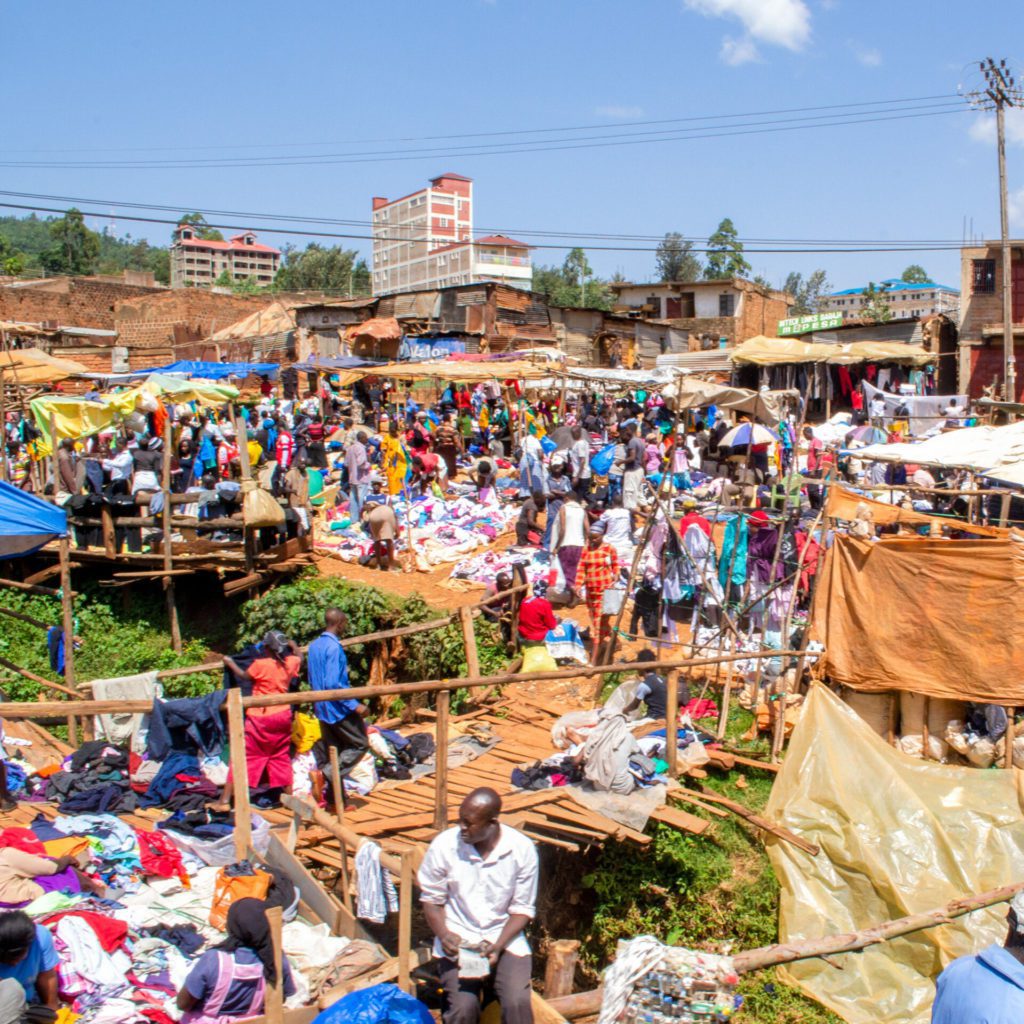
The first step in the research was to zoom out and take a look at the broad context of Uganda. 20+ reports and research papers, 50+ articles and 60+ existing organizations were analyzed. We also spoke to a number of development aid experts with experience in Africa or who work for a government agency in Uganda.

Here’s what we learned:

Education

There is a mismatch between education and employment. Many young people study for a degree in which no jobs are available. Universities also focus more on academic qualifications rather than on relevant, deployable skills.

Economy

There are a lot of people with ‘unconventional’ jobs in Uganda. For instance, many young people consider gambling (sports betting) and criminal activities a real source of income.

There is a lot of entrepreneurship, but most small companies don’t even survive their first birthday. The high unemployment rate encourages people to improvise and start their own businesses. But due to a lack of knowledge about entrepreneurship, most starting entrepreneurs quickly go bankrupt, after which they start another company or, not infrequently, end up in crime.

Technology and digitization


In 2018, 70% of Uganda’s residents had a telephone. Digitization is fast, so increasingly more people have access to technology and the internet. The adoption of “mobile money” is the biggest. People can transfer money via their phone number and no longer need a bank account.

NPOs and NGOs


Uganda has a dense non-profit ecosystem with low barriers to entry. Most of these organizations focus on health and water related projects. According to one of the Ugandans we interviewed “most NPOs and NGOs do good, but some tend to focus on solving the symptoms rather than the problems.”

Cultural probes

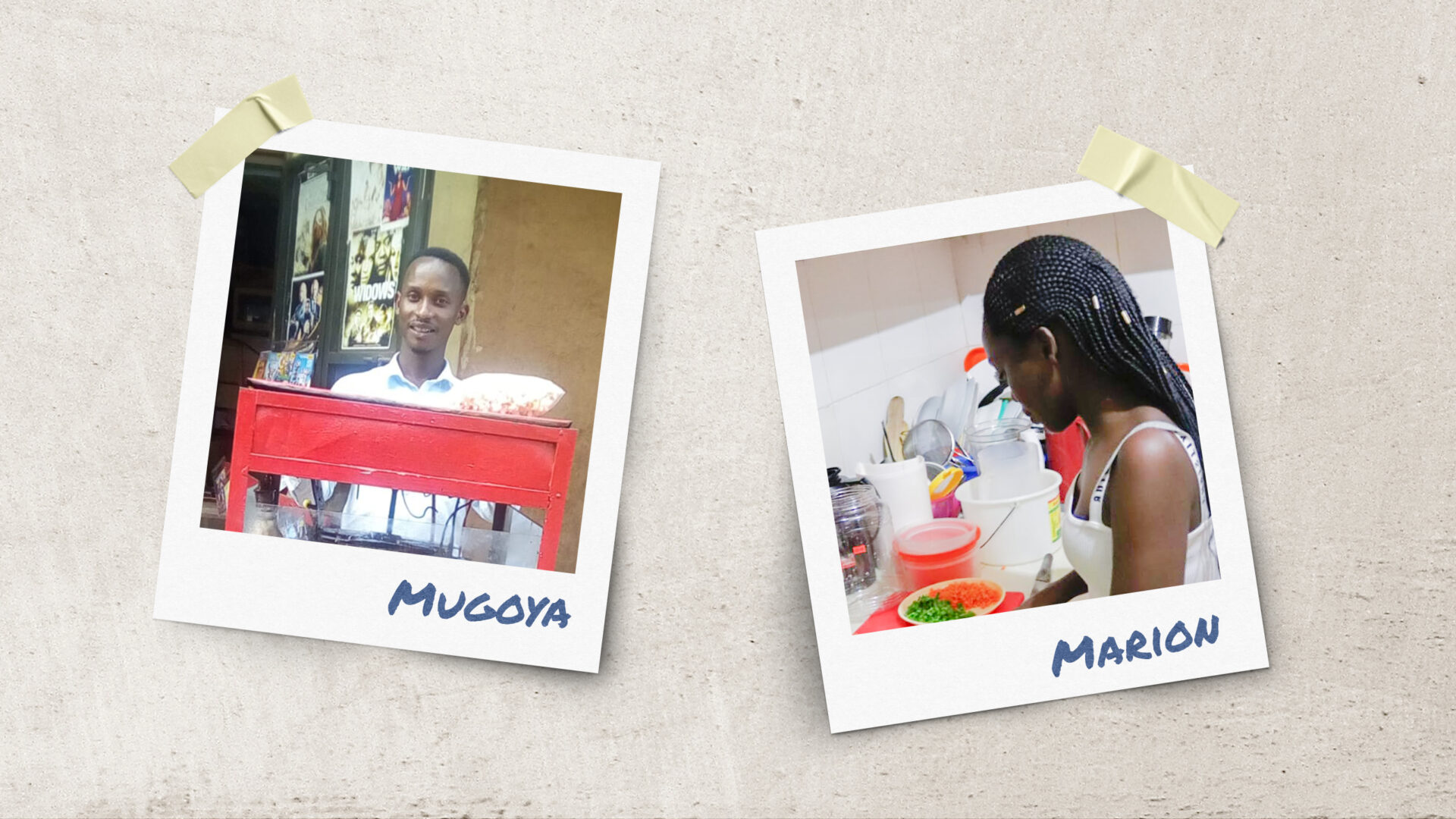
Now that we had a better understanding of the broad context of Uganda, the next challenge was to identify which problem Local Heroes would best address. And who better to ask which problem to solve first than the locals? Through a local contact person we distributed a ‘cultural probe’ to 7 residents of Kampala, the capital of Uganda.

A cultural probe is a research technique in which participants keep a diary and take photos. Sometimes videos, audio recordings or other exercises are also included. In our case, the cultural probe gave us the possibility to collect valuable information without traveling to Uganda ourselves.

A cultural probe gives us as researchers the opportunity to collect detailed information in a non-intrusive way without influencing the situation by being present.

Janao Denys, Service Designer – Quest

The cultural probe consisted of a bundle with questions to which the participants could add photos and videos (via Whatsapp). They received some questions about themselves, their work, their family and their passions, after which we asked them about the 5 biggest problems in their community. It was important to leave this question completely open so our own bias about what the biggest problems are could not influence the research.

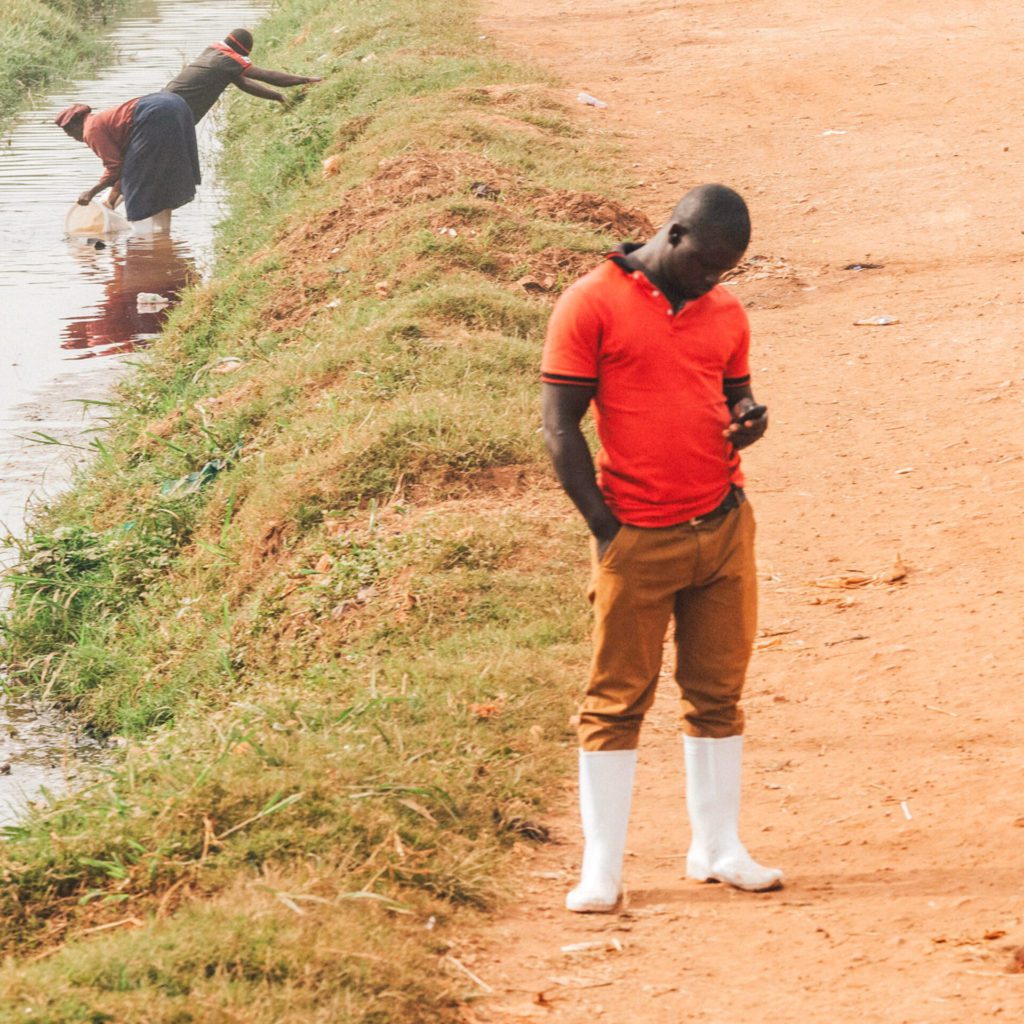
Some of the results of the cultural probes

For each problem, we also made the locals think about the root causes, which really helped us get a better understanding of the full context.

Finally, we asked them to come up with some solutions for each of the problems. Our goal: to filter out our own prejudices and gain insight into how locals would tackle the problems, because this approach would also most likely be accepted by the community.

Impact and business model

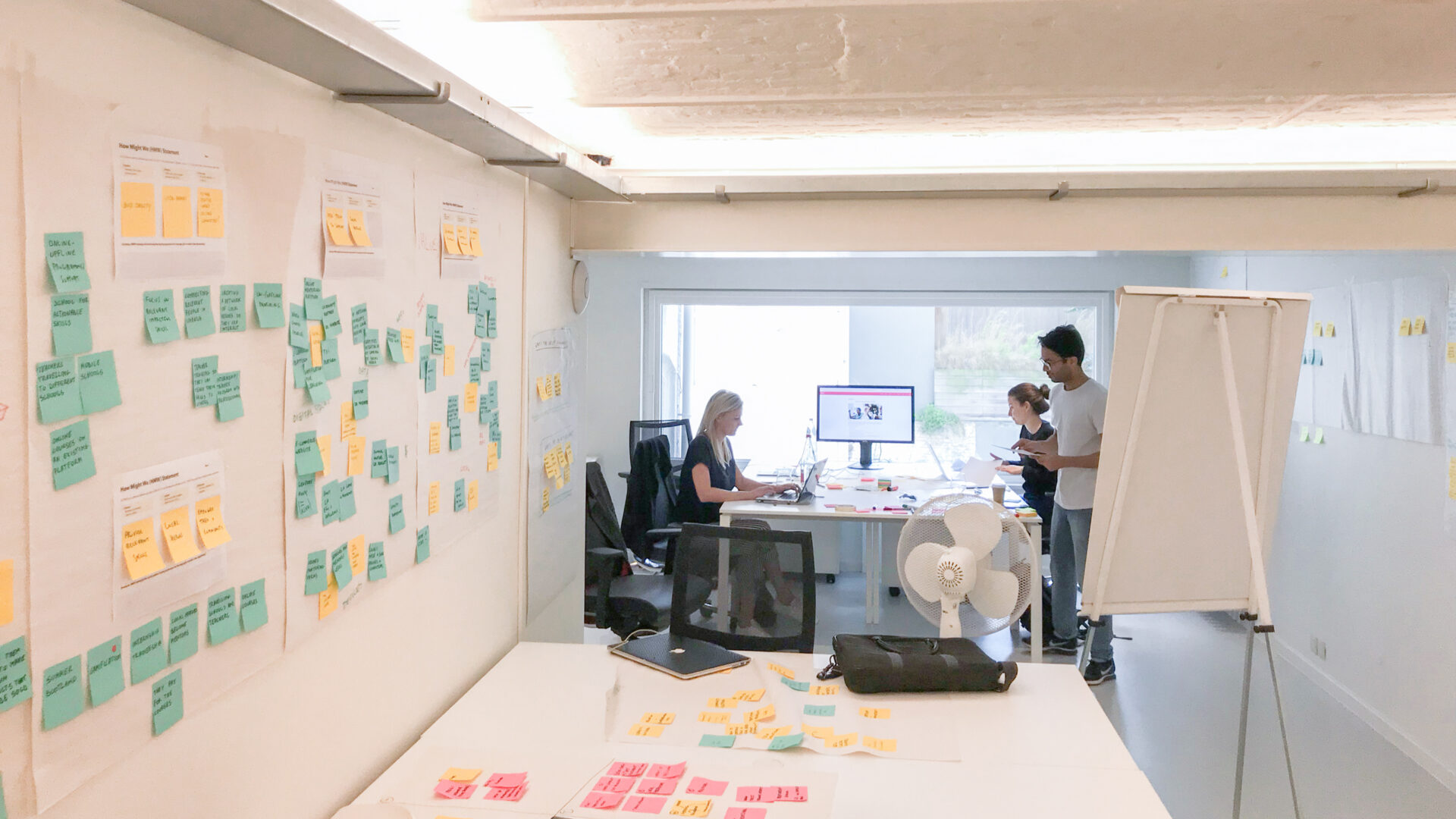
With all the information from the research and the cultural probes, we set out to identify the new approach of Local Heroes. But between all the post-its, “how might we” statements and flipchart drawings, we got a little lost. By simplifying the problem and immediately searching for a solution, we quickly lost sight of what Local Heroes really wants to achieve: finding a way to change communities from the inside out and to make them self-sufficient so the organization eventually becomes redundant.

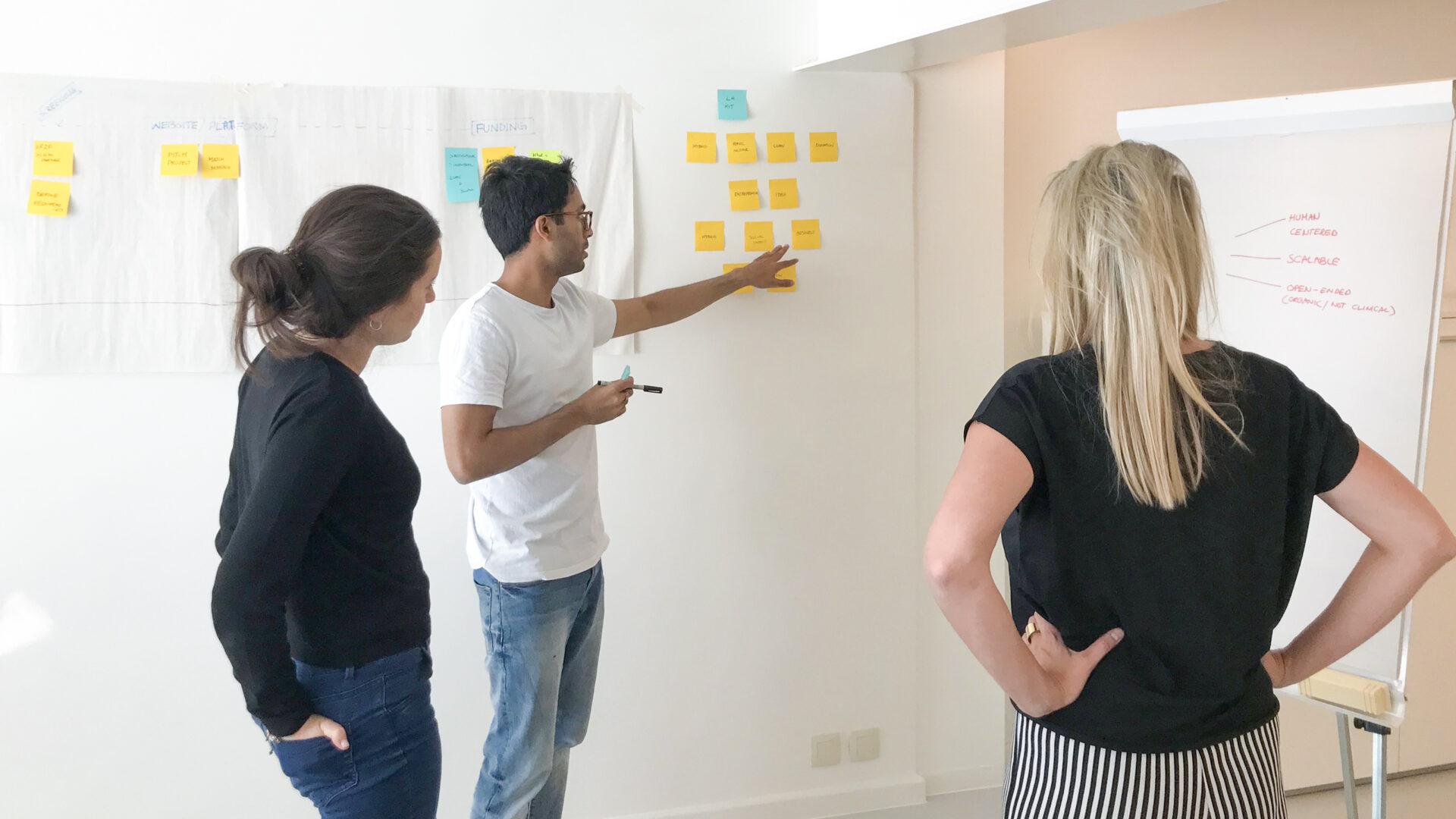
Impact and business model workshop

The problems in Uganda aren’t simple at all. But if the cultural probes taught us one thing, it is that there are plenty of driven and entrepreneurial Ugandans who know what problems their communities are facing and how they can be solved. All they need is better entrepreneurial skills and financial support.

The result

After this realization the task of Local Heroes became clear: to identify locals who have an idea to tackle a problem in their community. To help them turn this idea into a sustainable business model and to give them the support they need to make it a success and change the future of their community.

Two of the potential Local Heroes

This concept was tested for the first time during a series of interviews with the participants of the cultural probes. In these conversations we took a deep dive into the problems they had identified and their motivation to implement the solutions. Some of the ideas:

  • opening an internet cafe with classes for children in poverty
  • opening a coding school
  • setting up an orphanage
  • distributing solar panels to generate energy in remote regions

Our hunch was confirmed. Finding people with good ideas is not that difficult at all. But they should get the time and support they need to make their idea reality.

What’s next?

Local Heroes is currently developing the incubator program to empower locals to find the right problems to solve and to turn their solutions into sustainable businesses that strengthen their communities.

Some of the Ugandans that were involved in this study will become the first real Local Heroes and will receive support to turn their dream project into reality.