Launching The limit your footprint programme

modulyss, a subsidiary of the Balta Group, designs, manufactures and supplies high-quality carpet tiles for the international commercial market. Since their formation in 2010, they have been pushing towards a combination of creativity, functionality and sustainability.

The challenge

modulyss operates in a highly competitive market with players like Interface and Desso (Tarkett) who already made great sustainability achievements and commitments. With sustainability gaining massive importance in the construction business, our goal was to devise an impact strategy that positioned modulyss as one of the key sustainability leaders in the space.

Competitor and Market Analysis

We started with a thorough analysis of the market and compared modulyss’ major competitors based on 12 different criteria. We then compared the competitors’ performance with modulyss’ achievements to identify gaps and potential opportunities.

The Limit Your Footprint Programme

As a result, we launched the Limit Your Footprint Programme, a great way for modulyss’ customers to take their responsibility and limit the environmental footprint of a project without having to compromise on quality or design possibilities at all. The Programme can be fully tailored to anyone’s needs, ambitions and budget and will allow their customers to buy carpet tiles that:

  • are Cradle to Cradle Certified™ Gold or Silver
  • are CO2 neutral (mainly through carbon offsetting)
  • contain regenerated ECONYL premium colour yarns
  • have a backing that is designed for disassembly and recycling
  • received a Platinum score for Material Health (Cradle to Cradle)

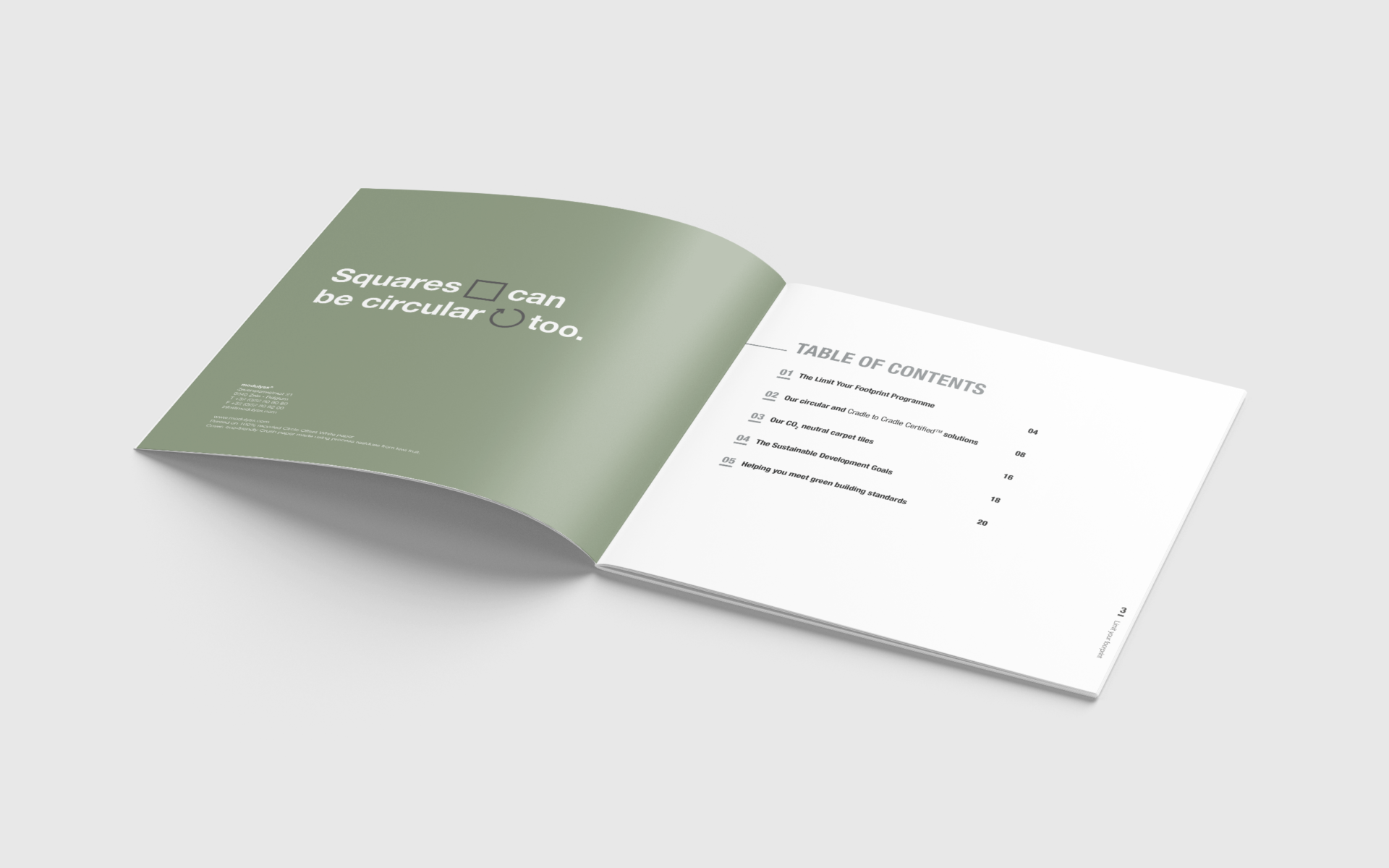
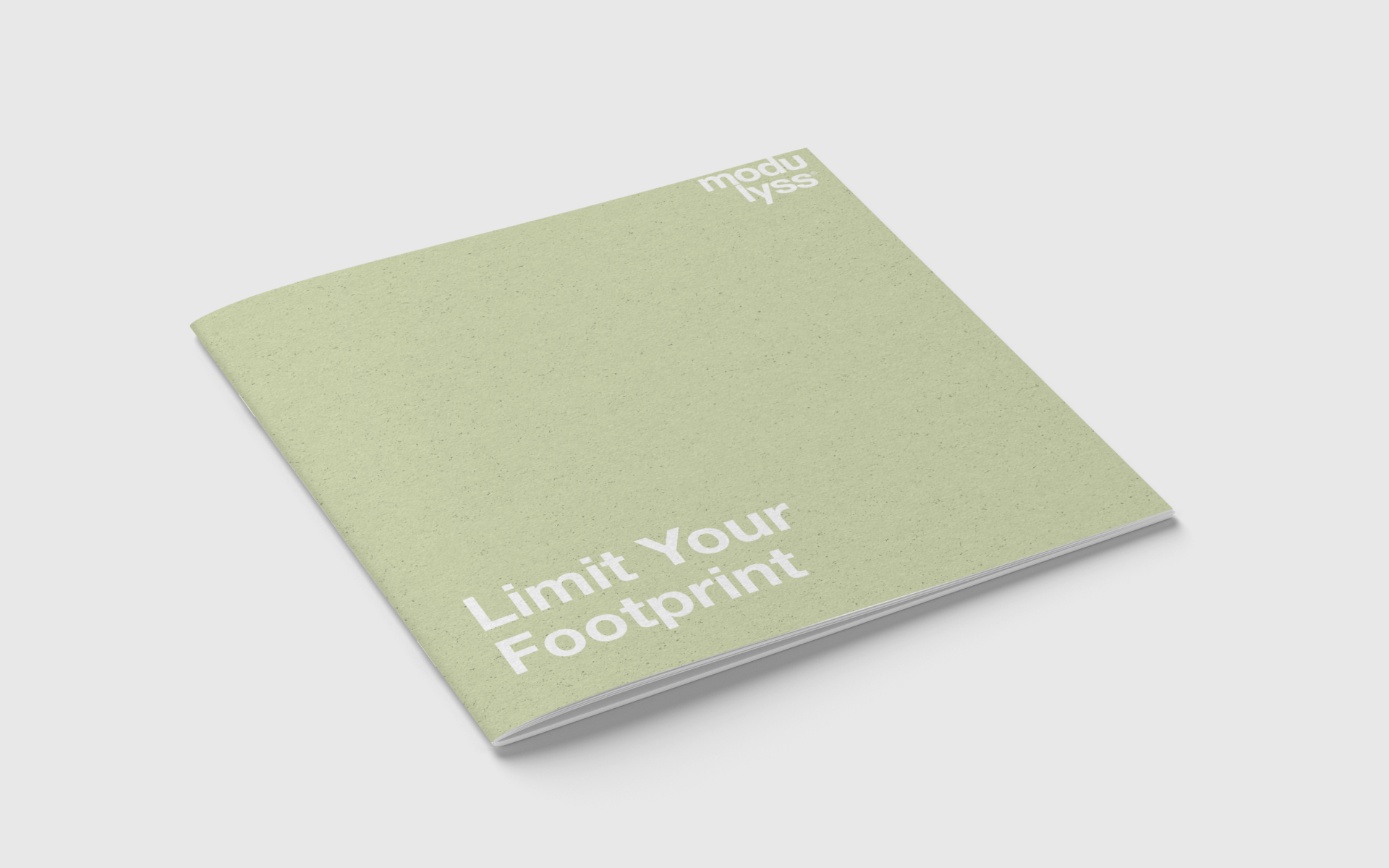
We made a video and brochure to explain what the Limit Your Footprint Programme is all about.
The limit your footprint programme
The limit your footprint programme brochure

Squares can be circular too

Next to the Limit Your Footprint Programme, we also came up with a strong sustainability tagline to reinforce modulyss’ position: Squares can be circular too.

The limit your footprint programme baseline

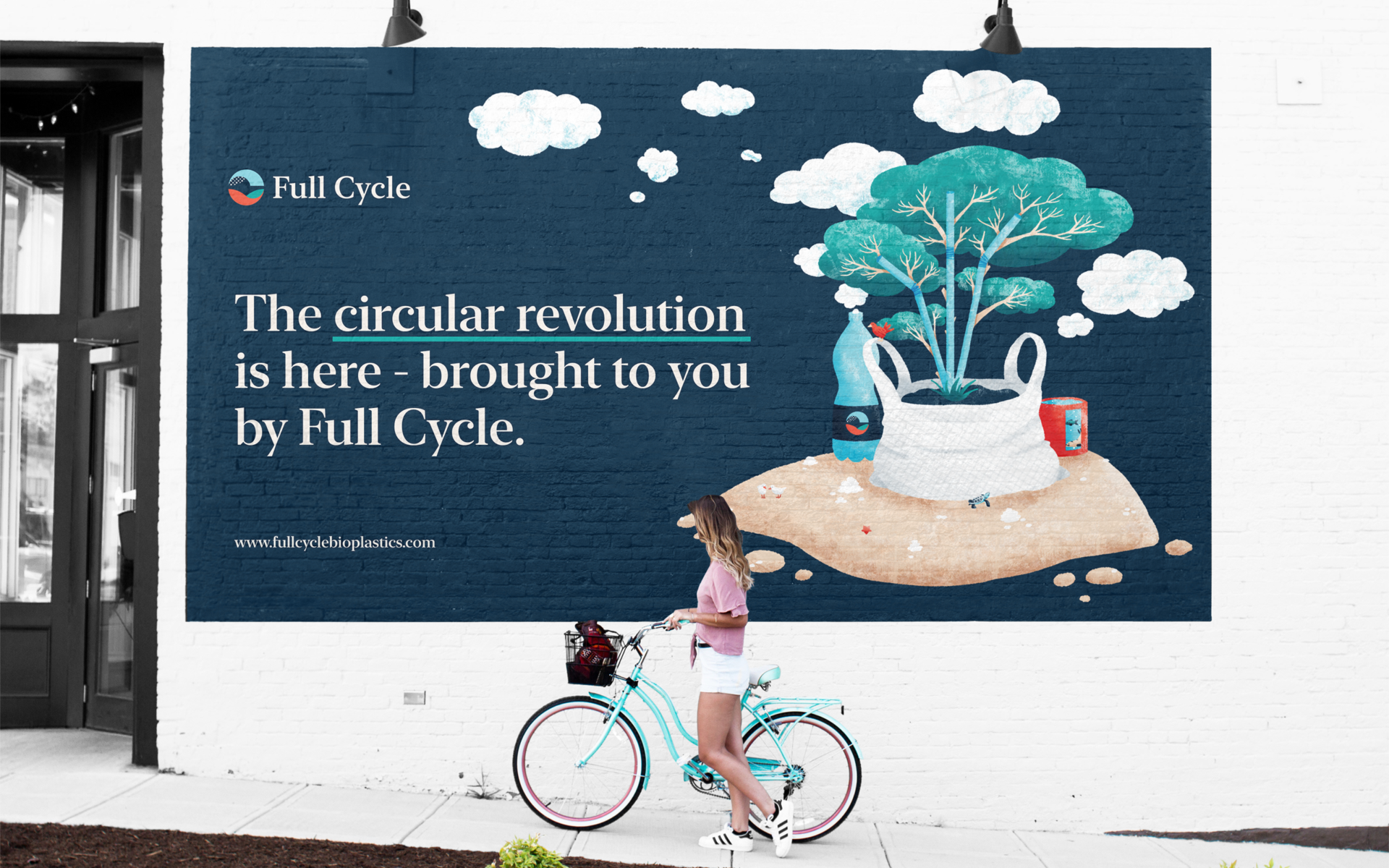
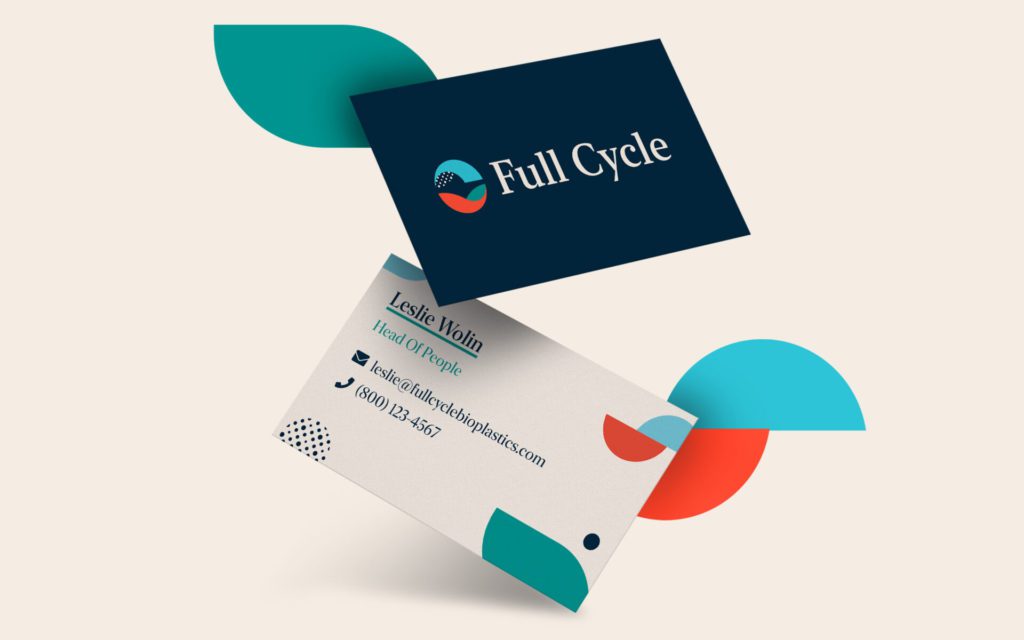
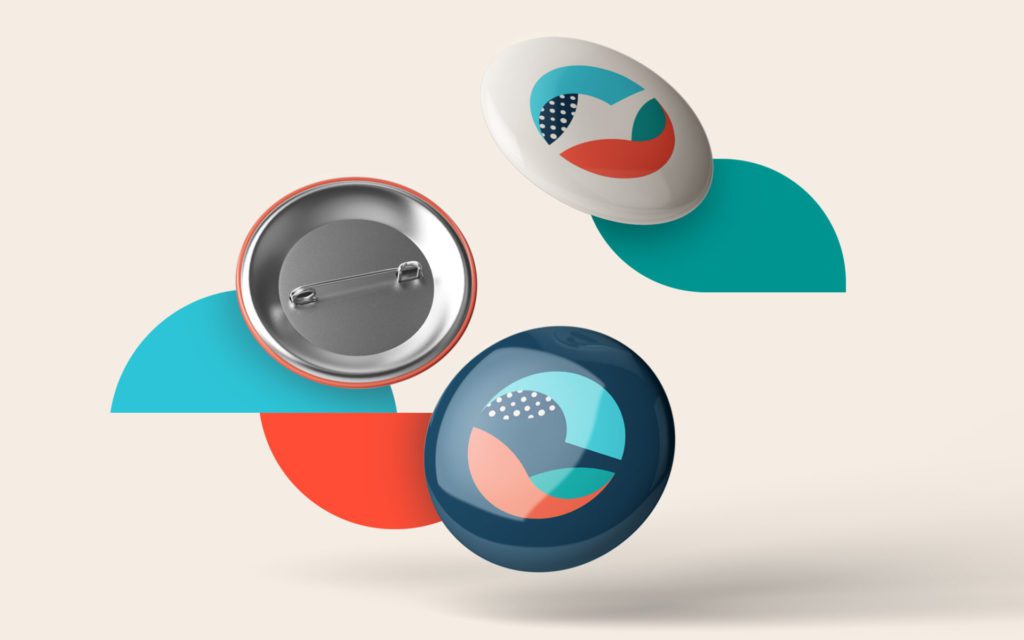
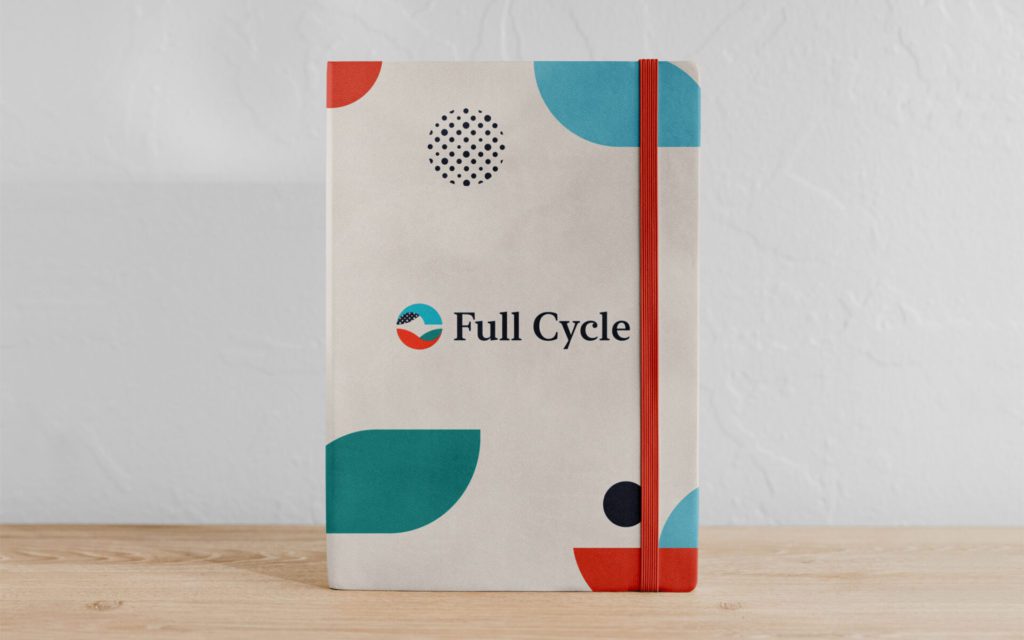
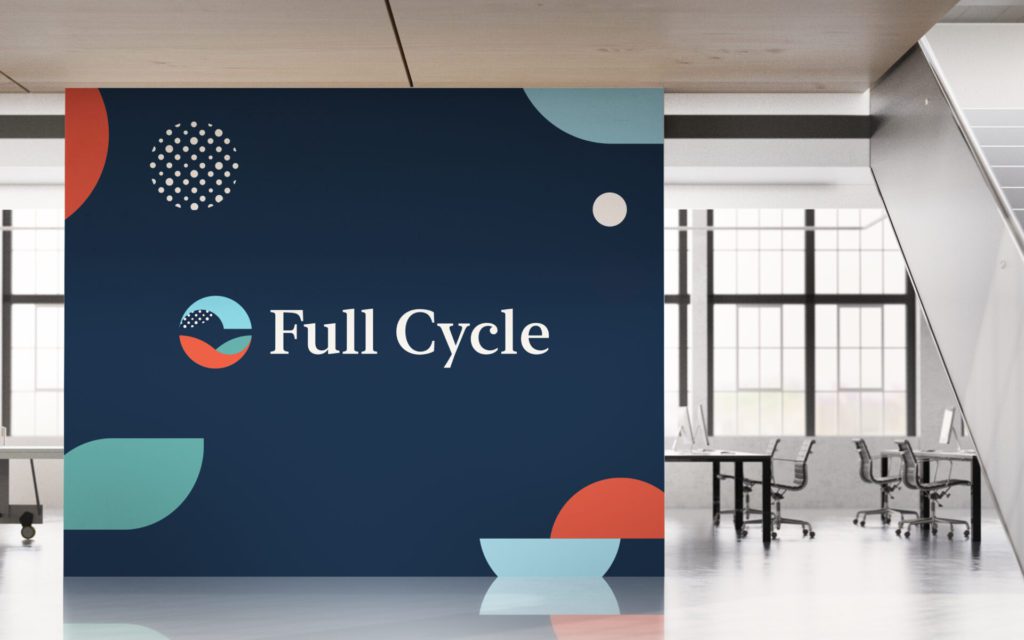
A new logo and visual identity for Full Cycle

Challenge

Full Cycle is a California-based biotechnology company that addresses three major global issues: plastic pollution, food waste and climate change. How? They transform organic waste into PHA, a high-performing, compostable alternative to oil-based plastics.
Their problem: their brand didn’t match their ambitions and their website brought them the wrong kind of leads. So they asked us to:

  • create a new logo and visual identity for their amazing organization
  • create a new website that strengthened their image and facilitated their sales process.


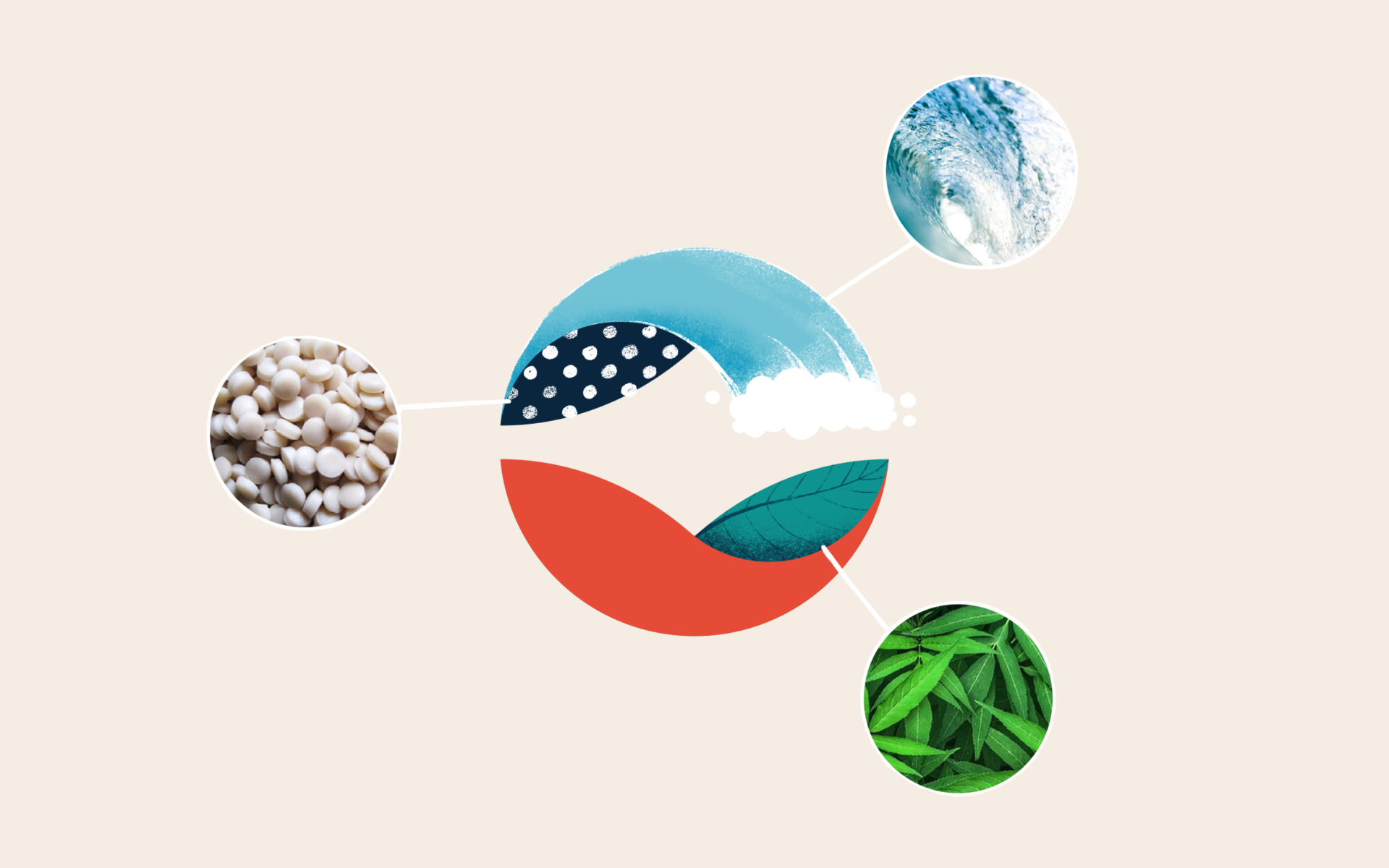
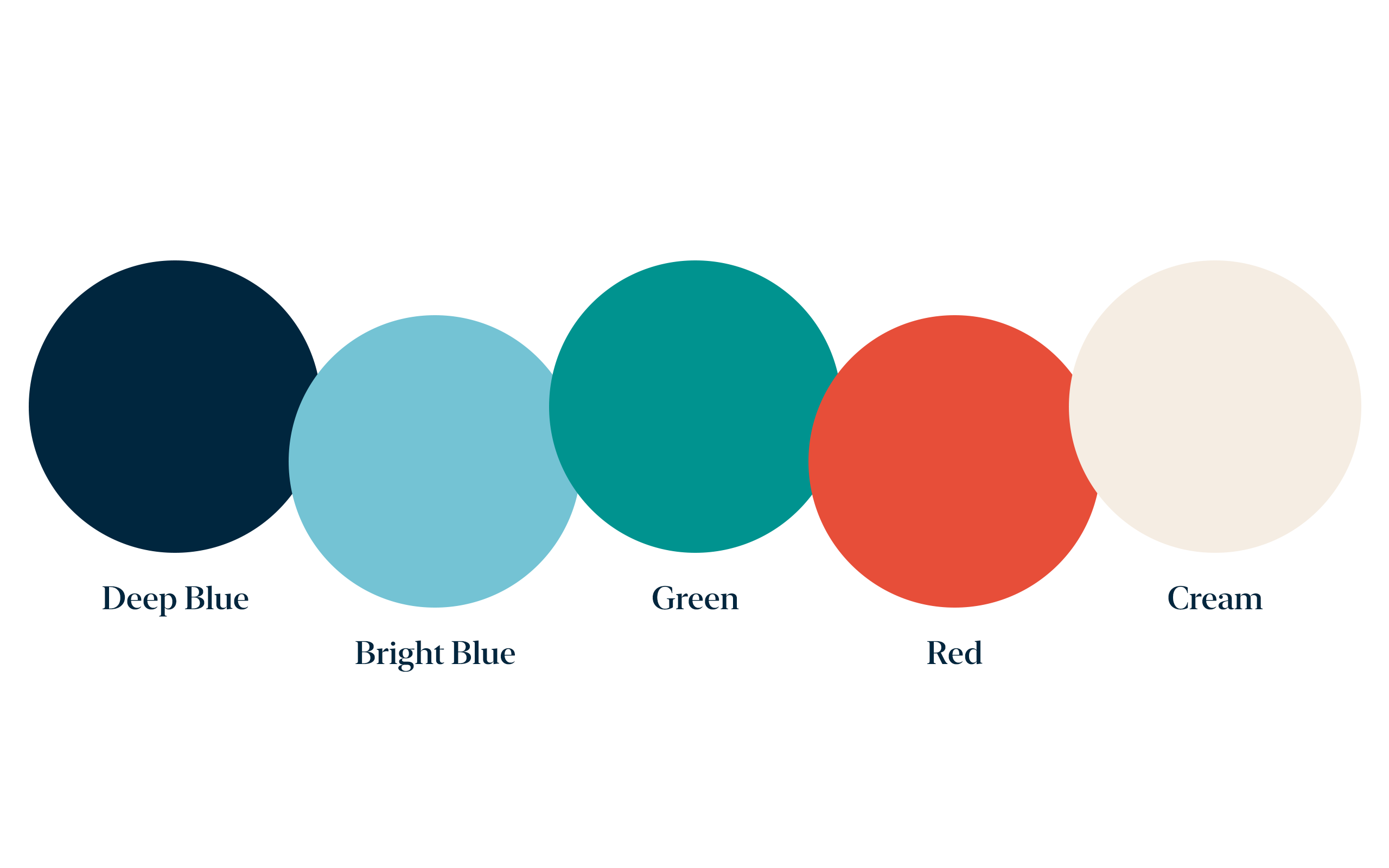
The logo clearly tells the story of Full Cycle in a simple and elegant way. During the design direction workshop, we noticed the team was really drawn to red. We think this color is a perfect addition to highlight their unique vision and boldness.

A strong visual style enriched with custom illustrations

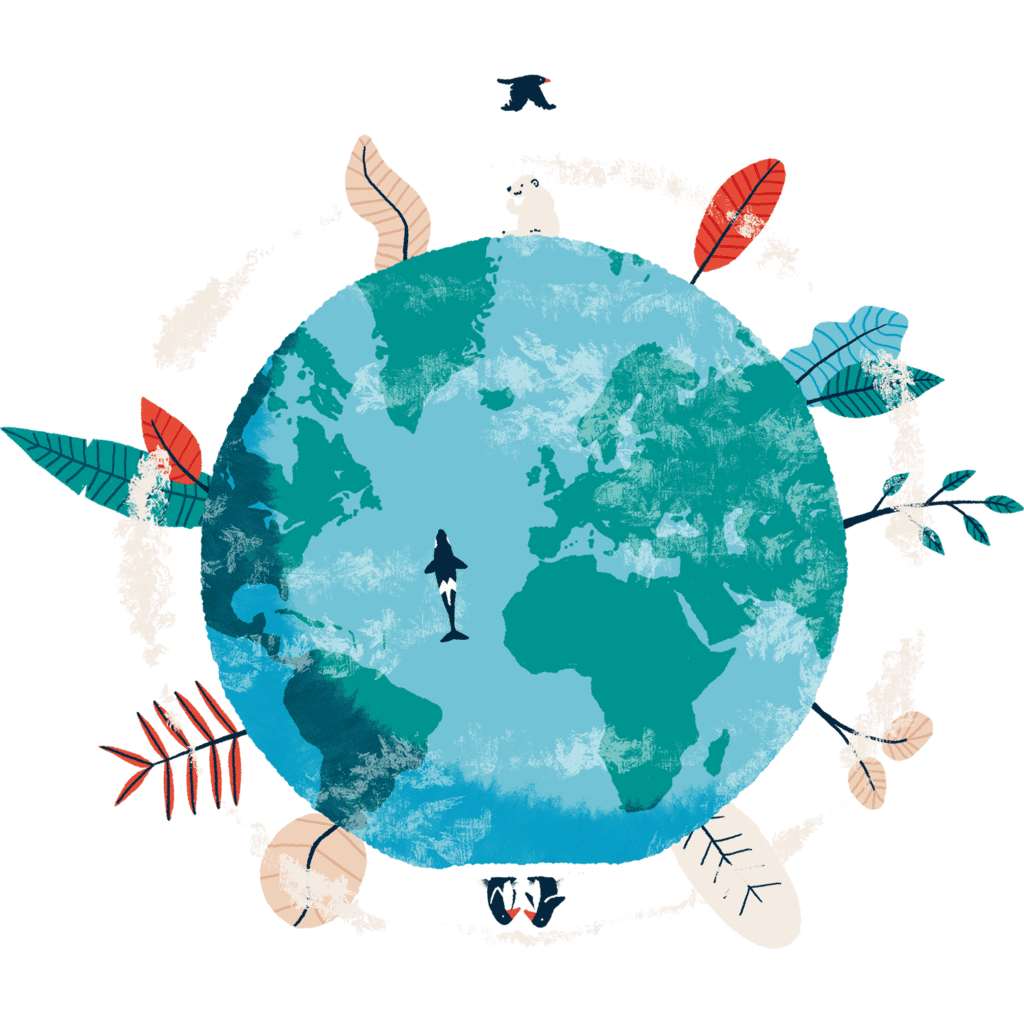
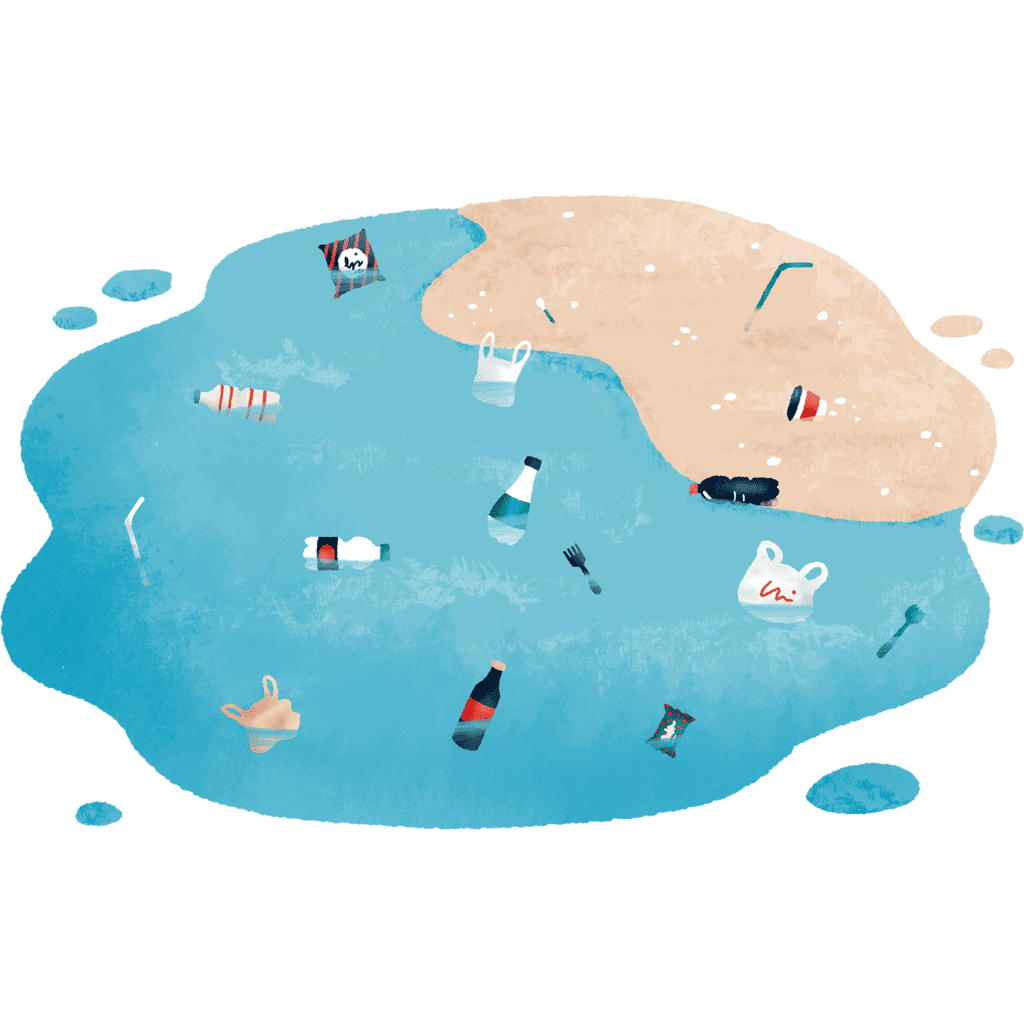
We enriched Full Cycle’s visual style with a plethora of custom illustrations and animations that allowed for better storytelling. These illustrations were integrated into their website, presentations, pitch decks, etc.

At the end of the process, all of the brand guidelines were captured in an extensive style guide for the Full Cycle team.


Creating an educational game to boost unconditional cash transfers to developing countries

Challenge

Eight is a Belgian non-profit organization that uses unconditional cash transfers to help people in Uganda out of extreme poverty. For 2 years they give a basic income to all inhabitants of a village, without asking anything in return.

Despite its scientifically proven effectiveness, this unconventional form of development aid raises many questions. We developed an educational game that will help Eight’s founders facilitate the discussion of unconditional cash transfers and encourage other organizations to follow the magnificent example of Eight.

We want to innovate the sector of development aid

– Maarten Goethals, Co-founder @ Eight

Co-creating the game

In order to fully understand the situation in which the educational game will be used, we spoke with a number of potential users. Some key takeaways from the interviews:

  • Discussions and the exchange of ideas are very important. The target group prefers to learn from the experiences of others.
  • The target group is very action-oriented. They want to be able to apply what they learn.
  • There is often a time limit. It is therefore important that the game can also offer enough value within a short time frame.

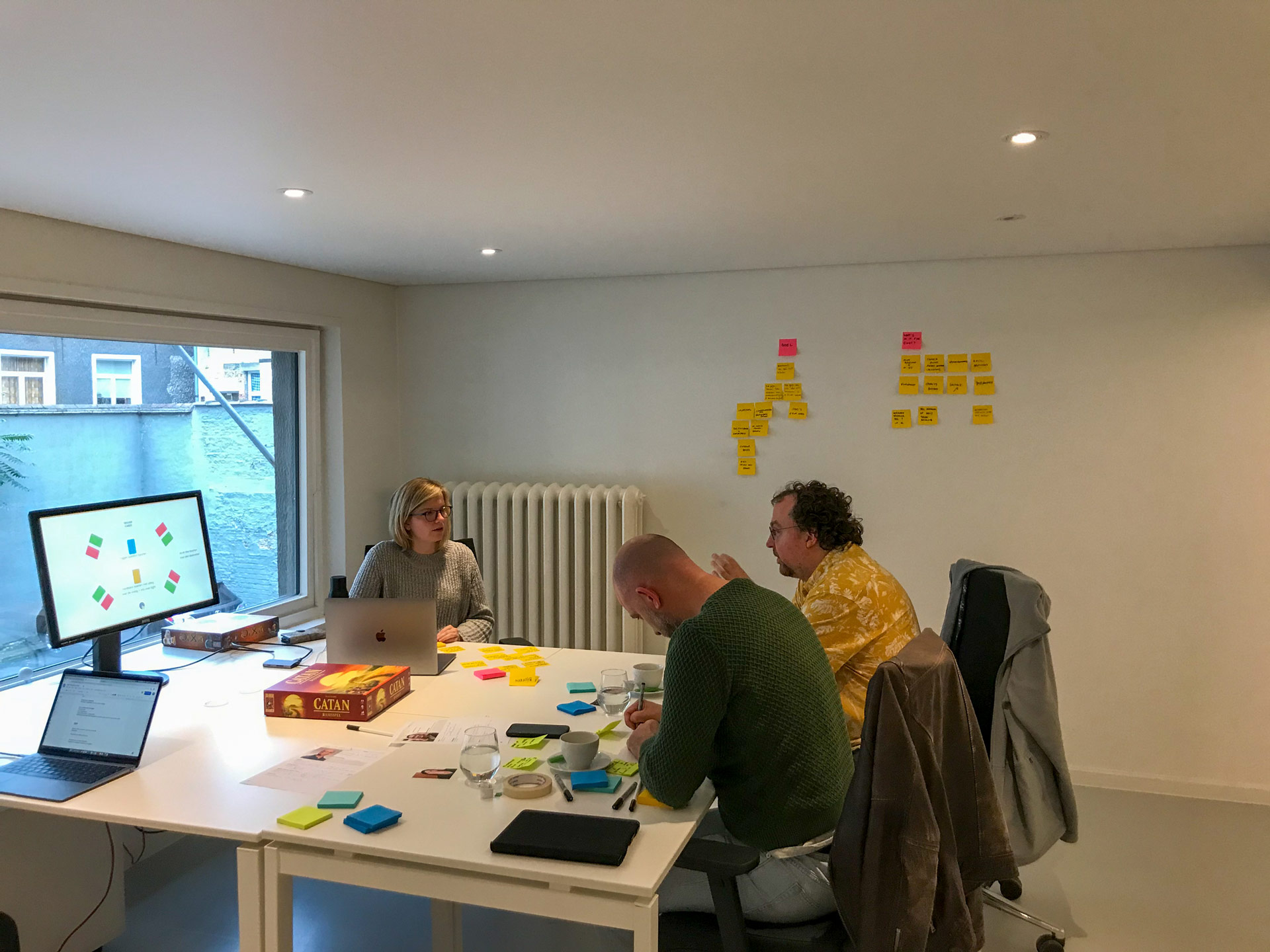
During a co-creation session with the founders of Eight, we determined the goal of the game and the intended impact on the players. Once this was clear, we created the first version of the game during an extensive brainstorming session. The game concept was then further sharpened through iterative prototyping and testing.

Co-creation workshop with the founders of Eight

How the game works

The game consists of several rounds. Each round focuses on a theme related to unconditional cash transfers:

  • Scarcity
  • Aid without conditions
  • Aid without advice
  • Evidence-based
  • Digitization
  • Empowerment
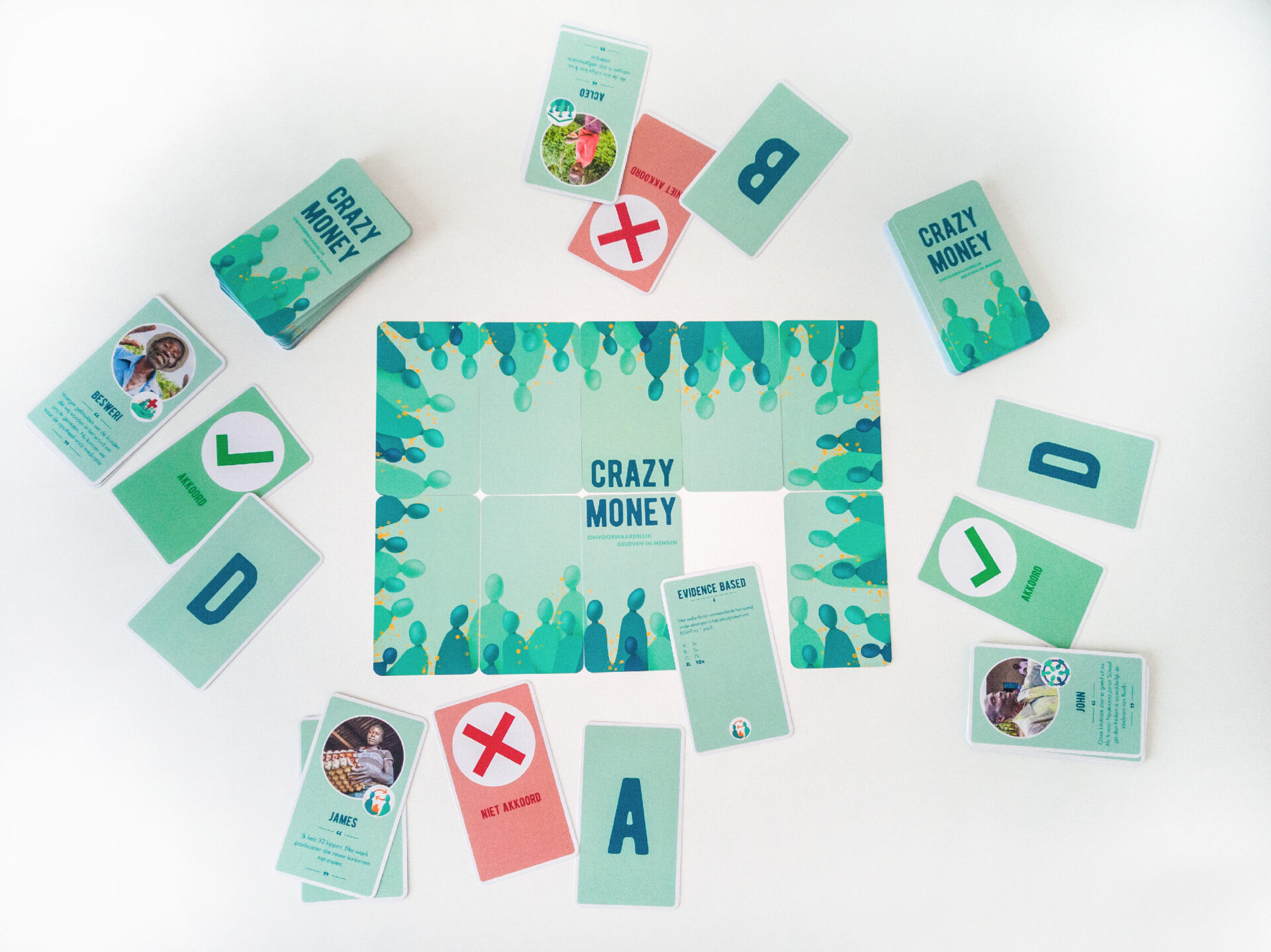
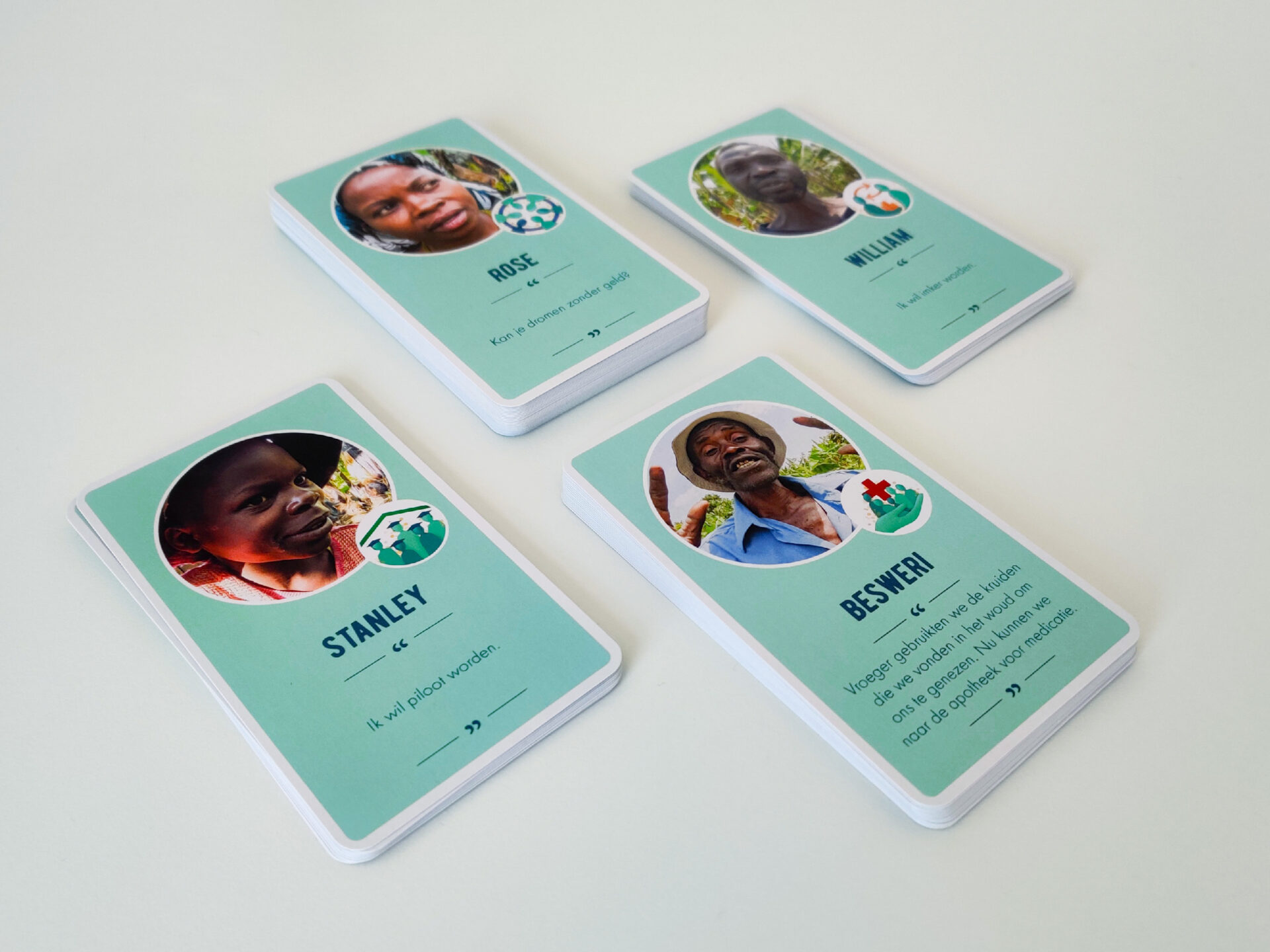
An overview of the Crazy Money game. The quiz cards - when laid in the right order - form a strong visual

Players can earn points for each quiz question. When they answer correctly, they receive a card showing a resident of Busibi, the first village Eight provided with a basic income.

Each resident tells a unique story using a quote on the card. Players will learn the impact of unconditional cash on the life of this Busibi resident. Each person is also linked to one of the four ‘drivers of change’, the main pillars in which change is needed to get a community out of extreme poverty:

  • Health
  • Entrepreneurship
  • Education
  • Social collective action
An overview of the Crazy Money game. The quiz cards - when laid in the right order - form a strong visual

The more points a player scores, the more “drivers of change” she/he collects. But that’s not the ultimate goal of the game. Getting to know the stories of the residents of Busibi gives them a new boost in confidence in the target group of their own projects. And by seeing the impact on the 4 “drivers of change” they gain new insights that can be applied to their own projects and organization.

A people-centric branding

The most important value of Eight is ‘to believe in people unconditionally’. This value is therefore intrinsically intertwined in the game. By giving unconditional cash to people in extreme poverty you give them a chance to determine their own future. The design of the game clearly reflects this people-centered mindset.

An overview of the Crazy Money game. The quiz cards - when laid in the right order - form a strong visual

A visual identity and website for the most ambitious blueprint for circular fashion

Challenge

The linear take-make-waste model is still prevalent in today’s fashion industry. According to the Ellen MacArthur Foundation, 500 billion dollars of value are lost every year due to clothing underutilisation and a lack of recycling.

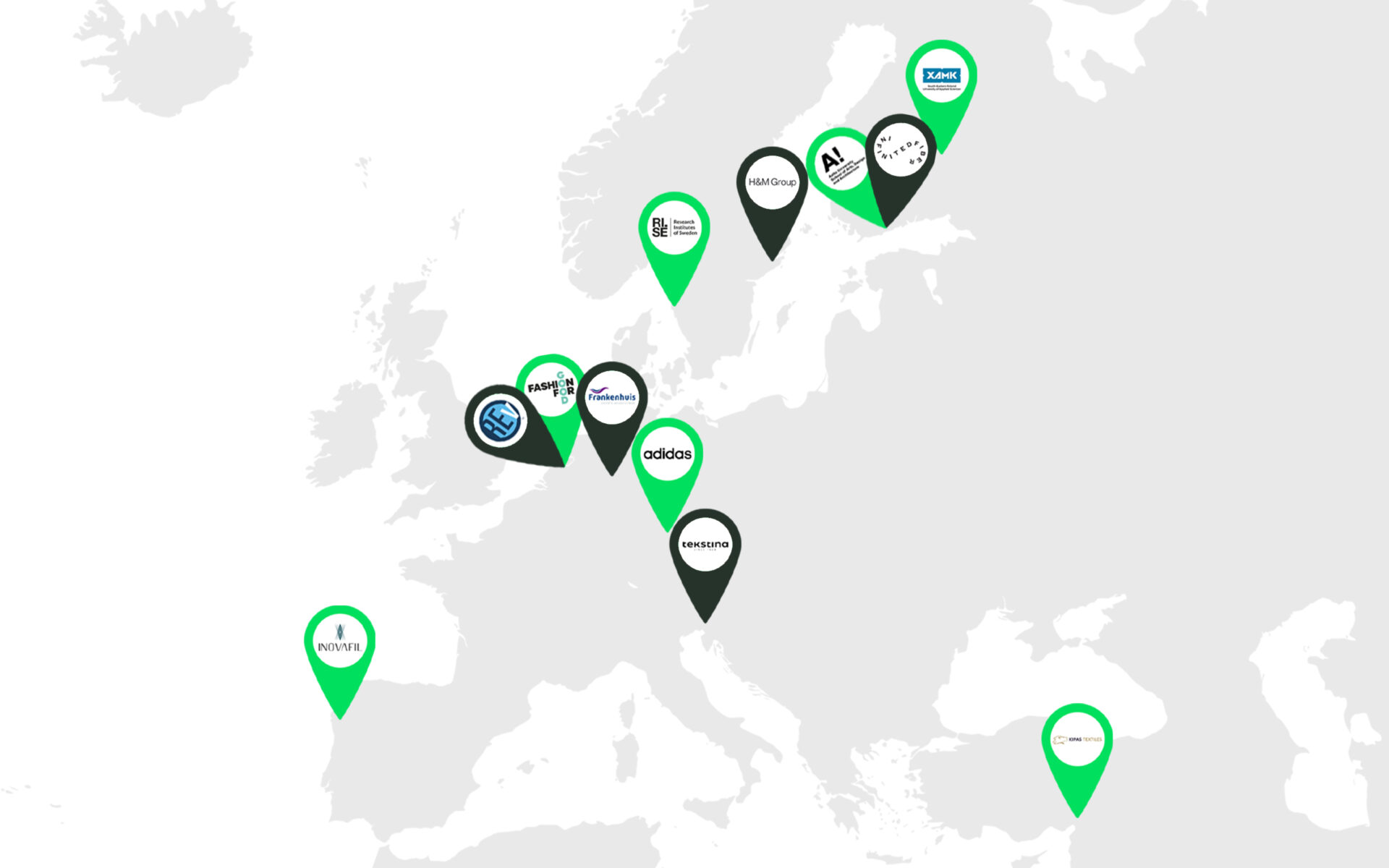
Infinited Fiber Company, a Finnish biotechnology group, has led a successful bid for over 6 million EUR of European Union research and innovation funding. Those funds are used to form a highly ambitious consortium of 12 organizations (including amongst others Adidas, H&M Group and Fashion for Good) whose aim is to create a circular fashion industry blueprint: the New Cotton Project.

The consortium spans 7 countries: Finland, Sweden, Germany, The Netherlands, Portugal, Slovenia and Turkey

The consortium members work together on topics such as waste management, manufacturing, retail, recycling, and academia to devise a new business model and circular system that can lead to industry-wide adoption. If you’d like to learn more about the New Cotton Project, this article by Forbes provides you with a good explanation.

A logo and visual identity

The consortium members asked us to create a fitting logo and visual identity for the New Cotton Project. To align all parties involved we organized a design direction workshop which resulted in a moodboard and key associations. The result speaks for itself.

A clean and clear website

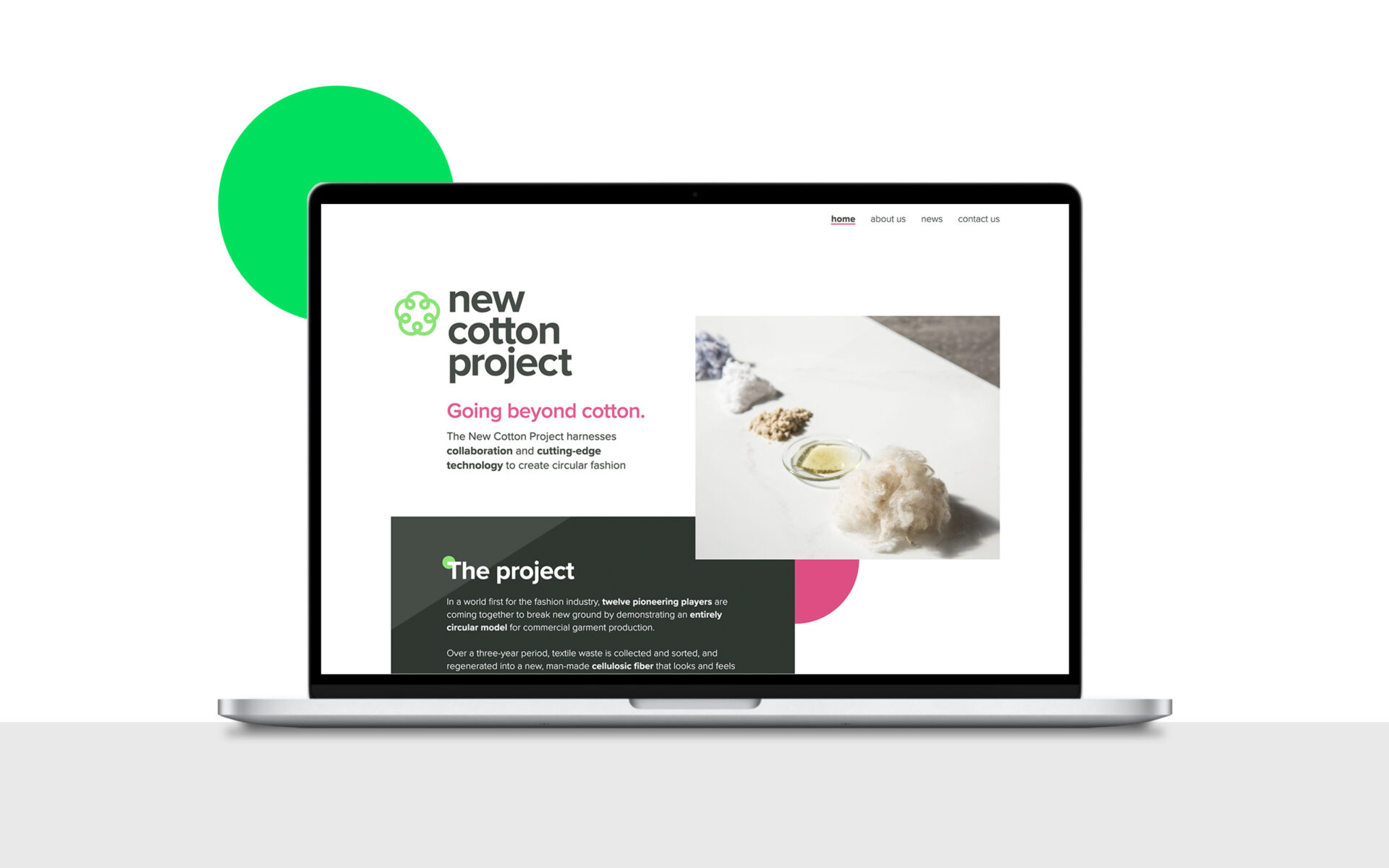
In order to inform all the stakeholders about the impact and progress of the project, the consortium also needed a website. Please make sure to follow how these 12 amazing partners are working on the future of circular fashion on this website.

Creating a human-centric impact strategy for a new non-profit organization

Challenge

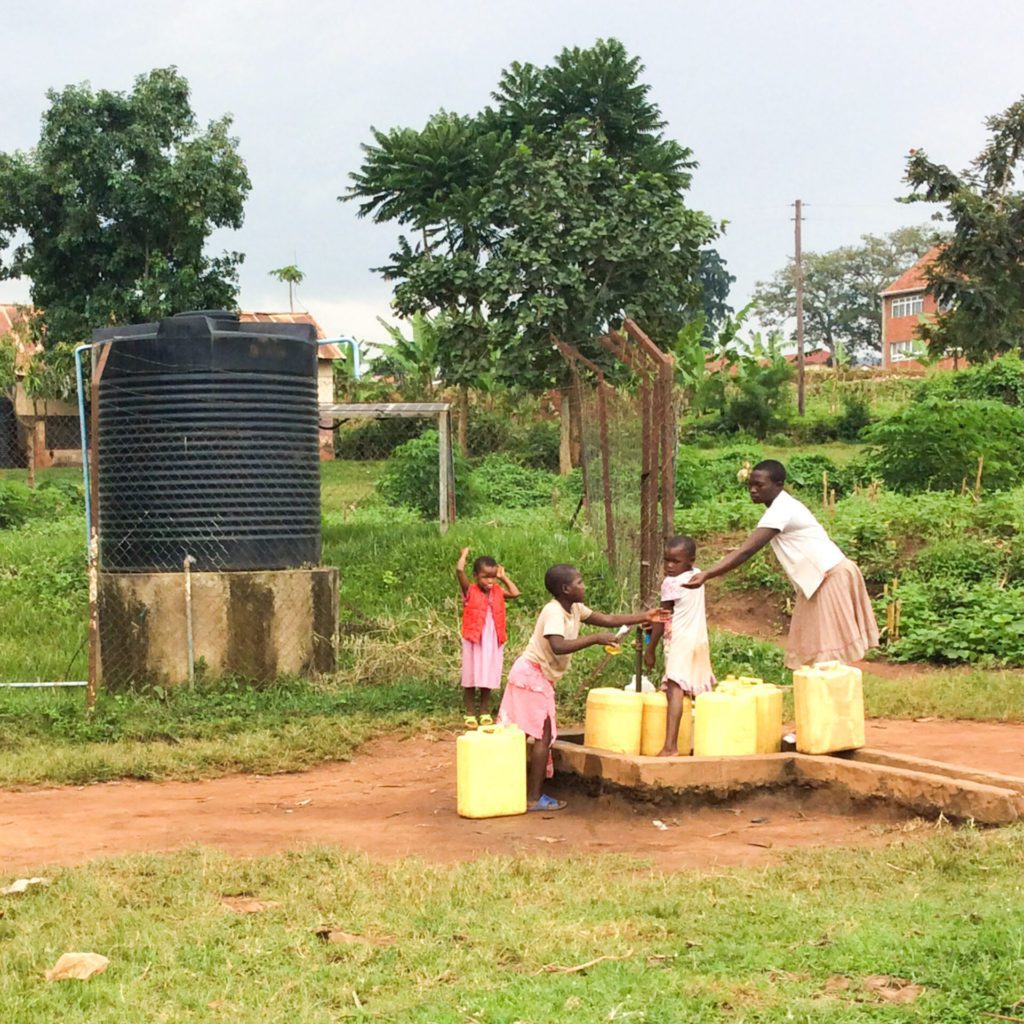
Local Heroes is a Belgian non-profit organization that wants to empower communities in Uganda to become self-sustainable and to further develop their region from within. The premise of Local Heroes (when they first knocked on our door to create a logo and visual identity for their organization) was that people in developing countries need water to survive and entrepreneurship to develop themselves further and not depend on others.

But is that really the truth? Local Heroes asked us to challenge their ideas, determine which problems they should focus on to create the most impact and jointly search for the business and impact model for the non-profit 3.0.

We didn’t want Local Heroes to fall into the typical ‘white savior trap’. Our main goal was to create a non-profit organization with a sound business model and a human-centric approach to development aid.

– Michael Boschmans, Founder

The problem with water

1.1 billion people worldwide don’t have access to drinking water and by 2025, ⅔ of the world population could be facing water shortages. The water problem is indeed very serious. But is it efficiently addressed in e.g. Uganda, the country Local Heroes first wants to focus on?

According to research, nearly 60% of all water projects in Africa fail. The problem: with the best intentions, non-profit organizations invest in installing these wells, but none of the locals know how to maintain or repair such an installation. So the community is back to square one: no water and the same dependence on external parties.

According to WellAware, nearly 60% of water projects in Africa fail, often within the first year.

So is installing wells the right solution? Or is it more efficient to teach the locals to repair and maintain the existing wells? Is access to water even the right problem to tackle at all? What about education, healthcare, scarcity, immigration, child labor…? In other words: how can Local Heroes ensure that they tackle the right problem and come up with the right solution for the locals, without making them dependent on their presence?

Understanding the problems and the context

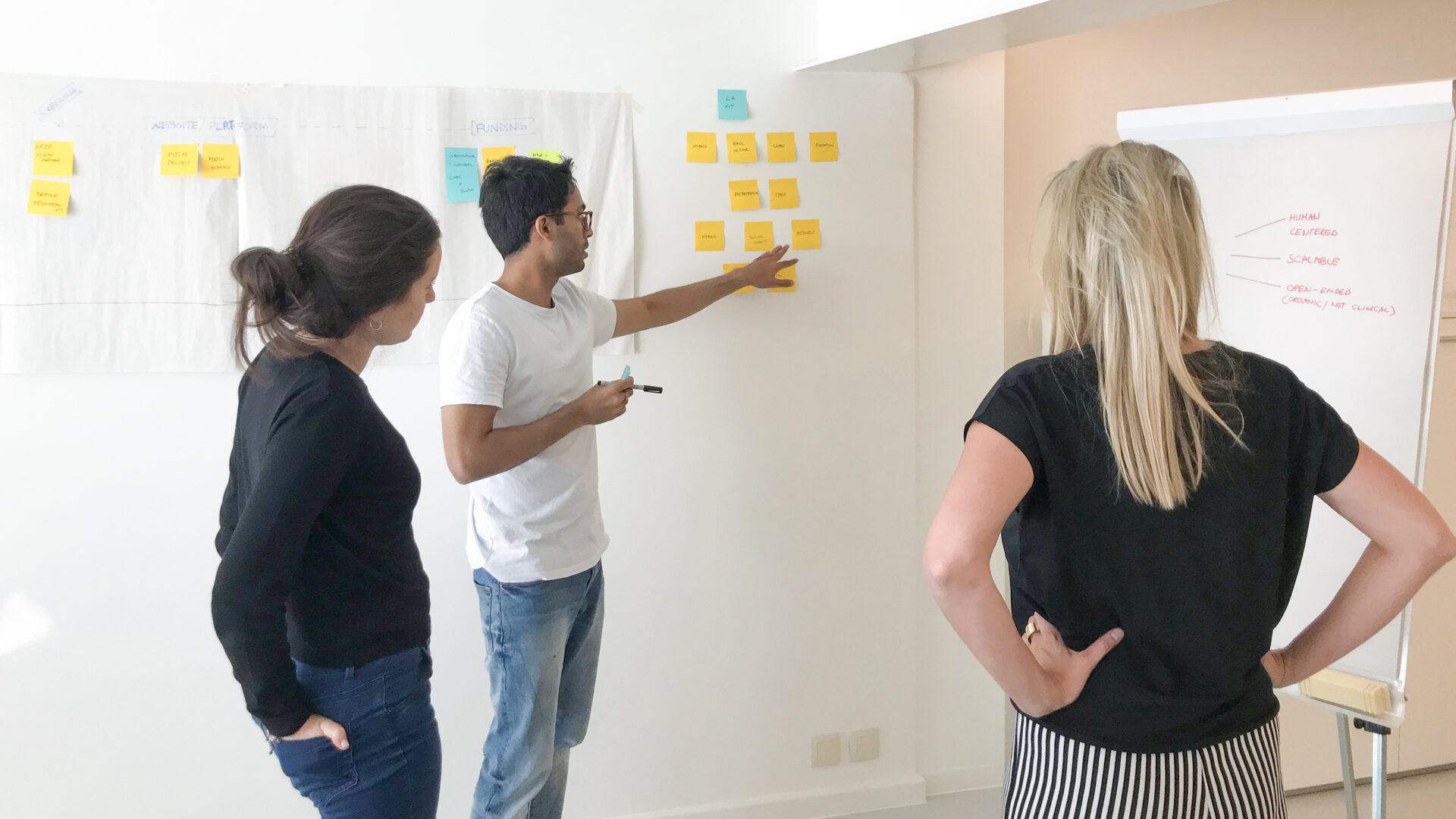
In search of the right business and impact model for Local Heroes, an extensive research project was set up together with two amazing service design interns from the Royal College of Art in London: Emilia D’Orazio and Amogh Lux. Challenge number 1: finding out which problem Local Heroes has to tackle and how.

Emilia and Amogh during one of the many workshops

In order to correctly identify the biggest problems in Uganda, it is necessary to look at the broader context and understand the situation at an economic, social and cultural level. In an ideal scenario, researchers spend several weeks to months on location to analyze all these aspects and talk to locals. But in reality there is rarely room for this, especially within the limited budget of a starting non-profit organization like Local Heroes. As an alternative, various forms of remote research were used to deepen our understanding of the situation as much as possible.

We didn’t have the resources to spend several weeks in Uganda to research what the people in the country really need, so we were challenged to think of alternative, more remote forms of research.

– Emilia and Amogh, Service design interns – Quest

Macro perspective

The first step in the research was to zoom out and take a look at the broad context of Uganda. 20+ reports and research papers, 50+ articles and 60+ existing organizations were analyzed. We also spoke to a number of development aid experts with experience in Africa or who work for a government agency in Uganda.

Here’s what we learned:

Education

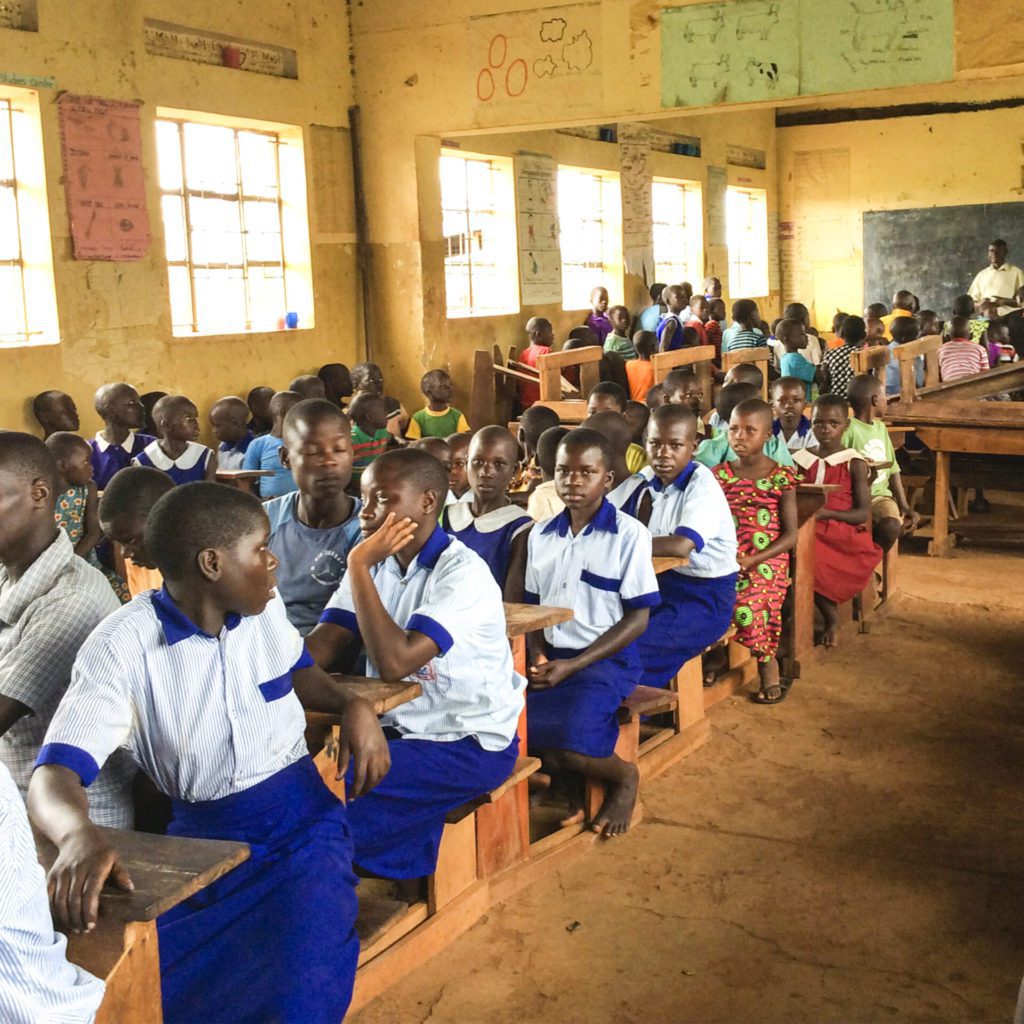
There is a mismatch between education and employment. Many young people study for a degree in which no jobs are available. Universities also focus more on academic qualifications rather than on relevant, deployable skills.

Economy

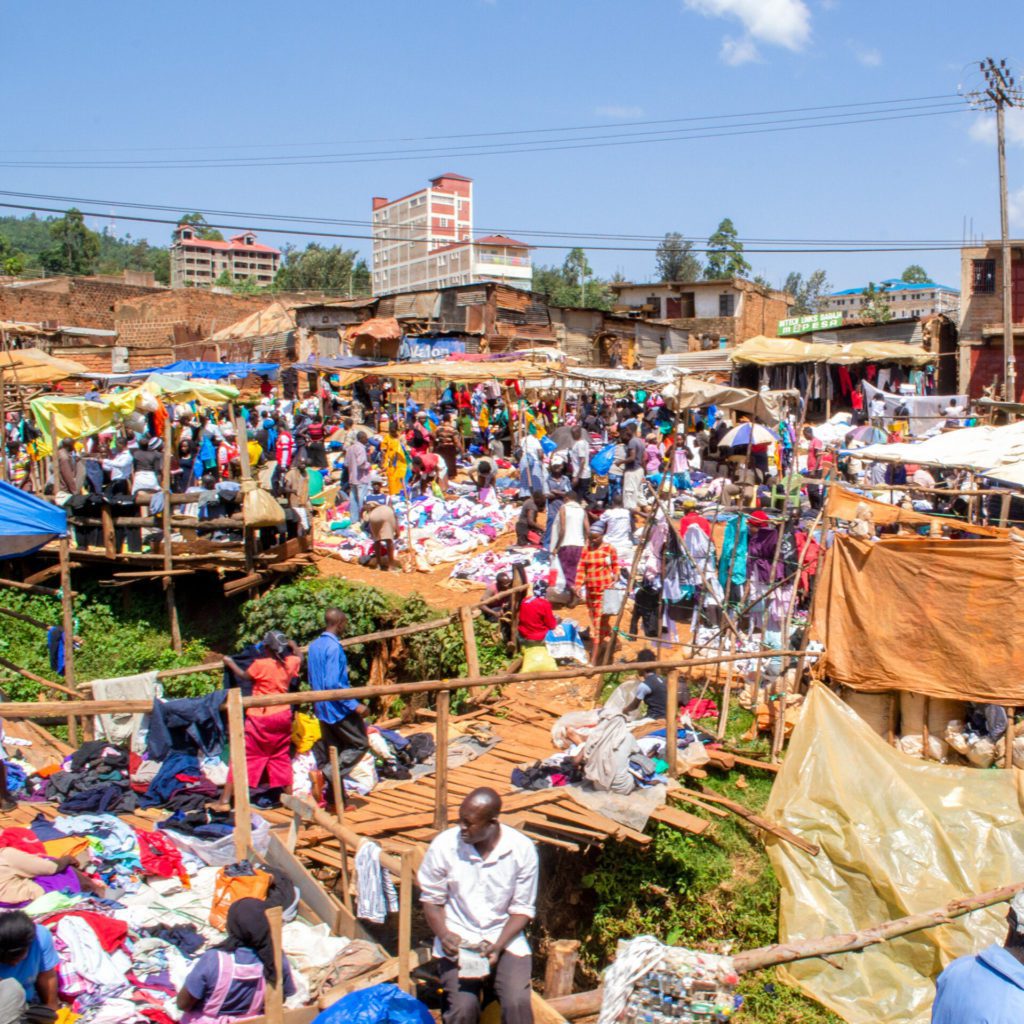
There are a lot of people with ‘unconventional’ jobs in Uganda. For instance, many young people consider gambling (sports betting) and criminal activities a real source of income.

There is a lot of entrepreneurship, but most small companies don’t even survive their first birthday. The high unemployment rate encourages people to improvise and start their own businesses. But due to a lack of knowledge about entrepreneurship, most starting entrepreneurs quickly go bankrupt, after which they start another company or, not infrequently, end up in crime.

Technology and digitization


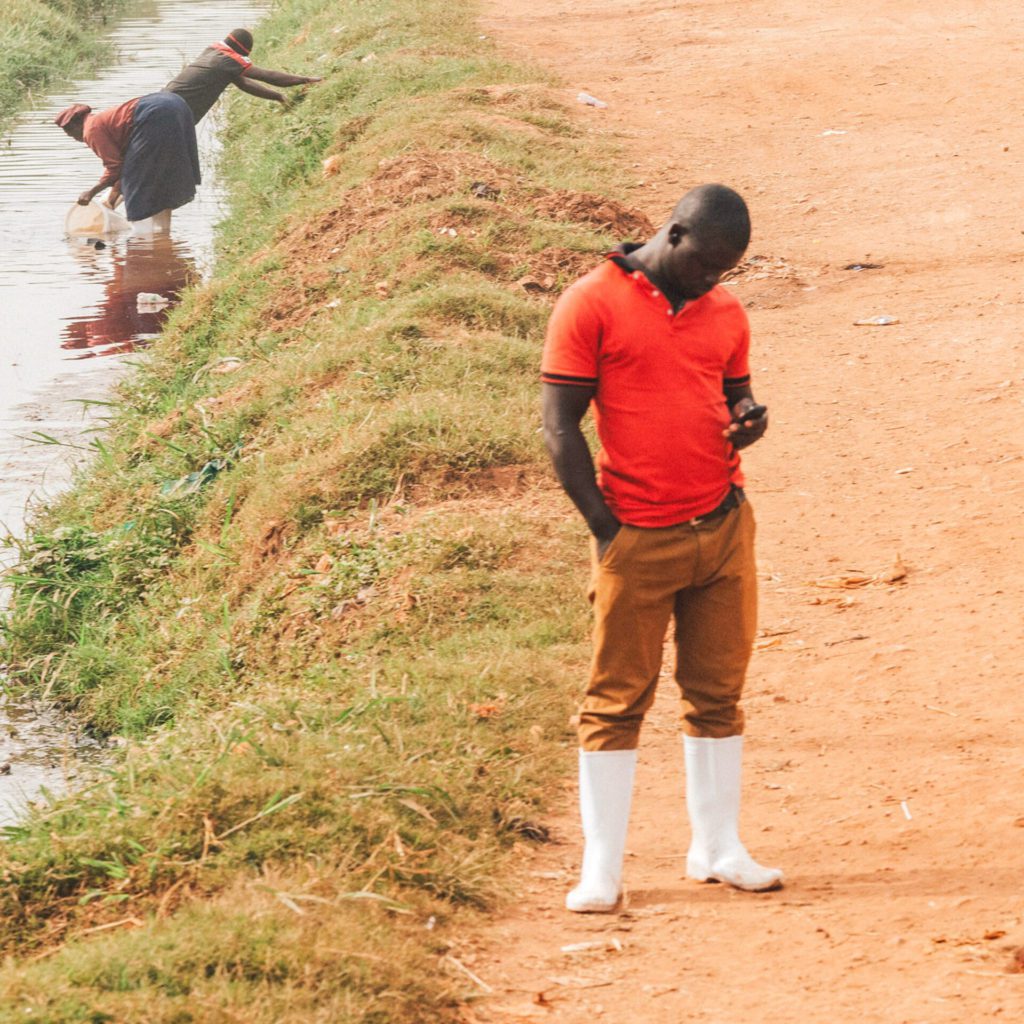
In 2018, 70% of Uganda’s residents had a telephone. Digitization is fast, so increasingly more people have access to technology and the internet. The adoption of “mobile money” is the biggest. People can transfer money via their phone number and no longer need a bank account.

NPOs and NGOs


Uganda has a dense non-profit ecosystem with low barriers to entry. Most of these organizations focus on health and water related projects. According to one of the Ugandans we interviewed “most NPOs and NGOs do good, but some tend to focus on solving the symptoms rather than the problems.”

Cultural probes

Now that we had a better understanding of the broad context of Uganda, the next challenge was to identify which problem Local Heroes would best address. And who better to ask which problem to solve first than the locals? Through a local contact person we distributed a ‘cultural probe’ to 7 residents of Kampala, the capital of Uganda.

A cultural probe is a research technique in which participants keep a diary and take photos. Sometimes videos, audio recordings or other exercises are also included. In our case, the cultural probe gave us the possibility to collect valuable information without traveling to Uganda ourselves.

A cultural probe gives us as researchers the opportunity to collect detailed information in a non-intrusive way without influencing the situation by being present.

Janao Denys, Service Designer – Quest

The cultural probe consisted of a bundle with questions to which the participants could add photos and videos (via Whatsapp). They received some questions about themselves, their work, their family and their passions, after which we asked them about the 5 biggest problems in their community. It was important to leave this question completely open so our own bias about what the biggest problems are could not influence the research.

Some of the results of the cultural probes

For each problem, we also made the locals think about the root causes, which really helped us get a better understanding of the full context.

Finally, we asked them to come up with some solutions for each of the problems. Our goal: to filter out our own prejudices and gain insight into how locals would tackle the problems, because this approach would also most likely be accepted by the community.

Impact and business model

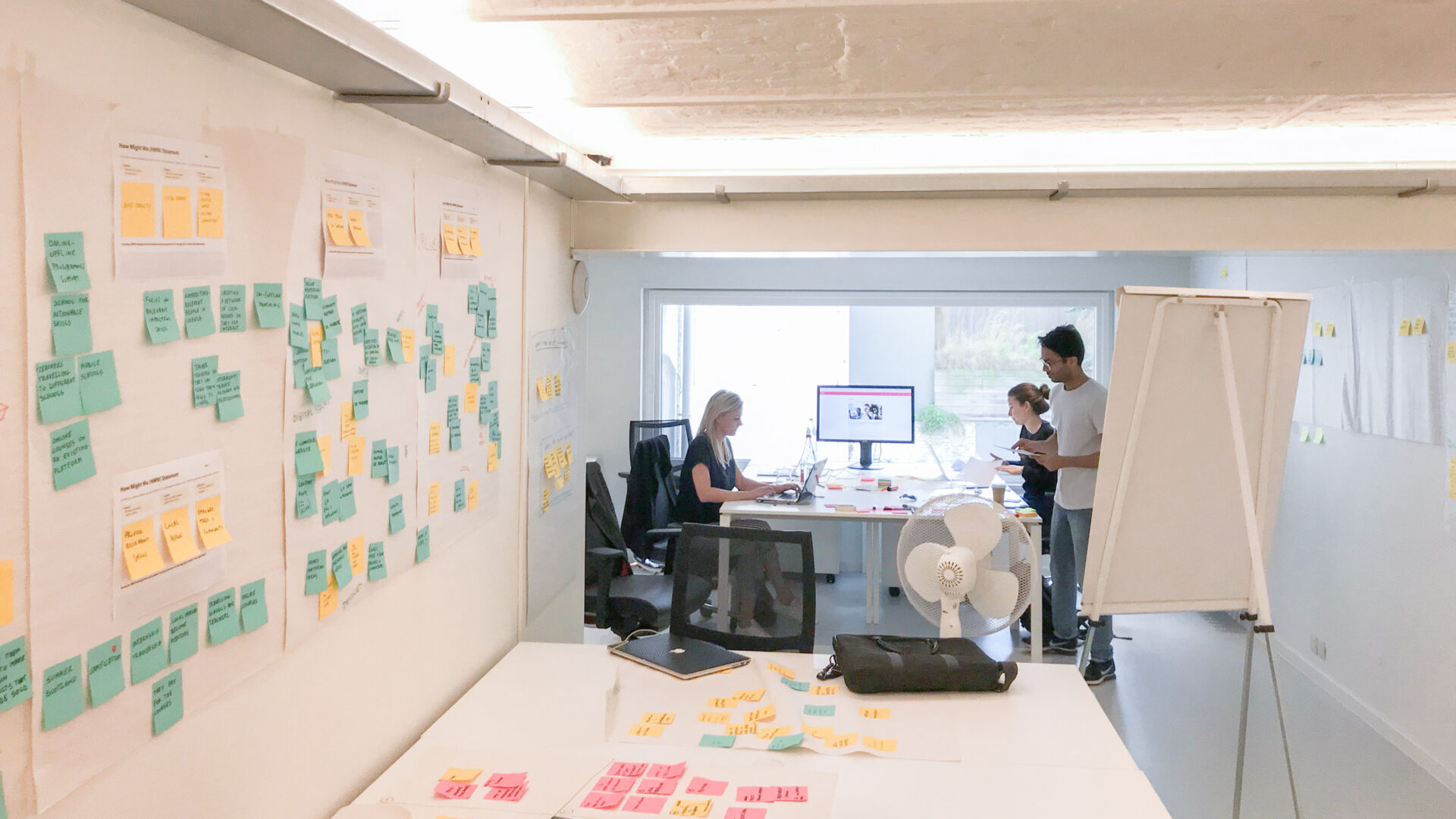
With all the information from the research and the cultural probes, we set out to identify the new approach of Local Heroes. But between all the post-its, “how might we” statements and flipchart drawings, we got a little lost. By simplifying the problem and immediately searching for a solution, we quickly lost sight of what Local Heroes really wants to achieve: finding a way to change communities from the inside out and to make them self-sufficient so the organization eventually becomes redundant.

Impact and business model workshop

The problems in Uganda aren’t simple at all. But if the cultural probes taught us one thing, it is that there are plenty of driven and entrepreneurial Ugandans who know what problems their communities are facing and how they can be solved. All they need is better entrepreneurial skills and financial support.

The result

After this realization the task of Local Heroes became clear: to identify locals who have an idea to tackle a problem in their community. To help them turn this idea into a sustainable business model and to give them the support they need to make it a success and change the future of their community.

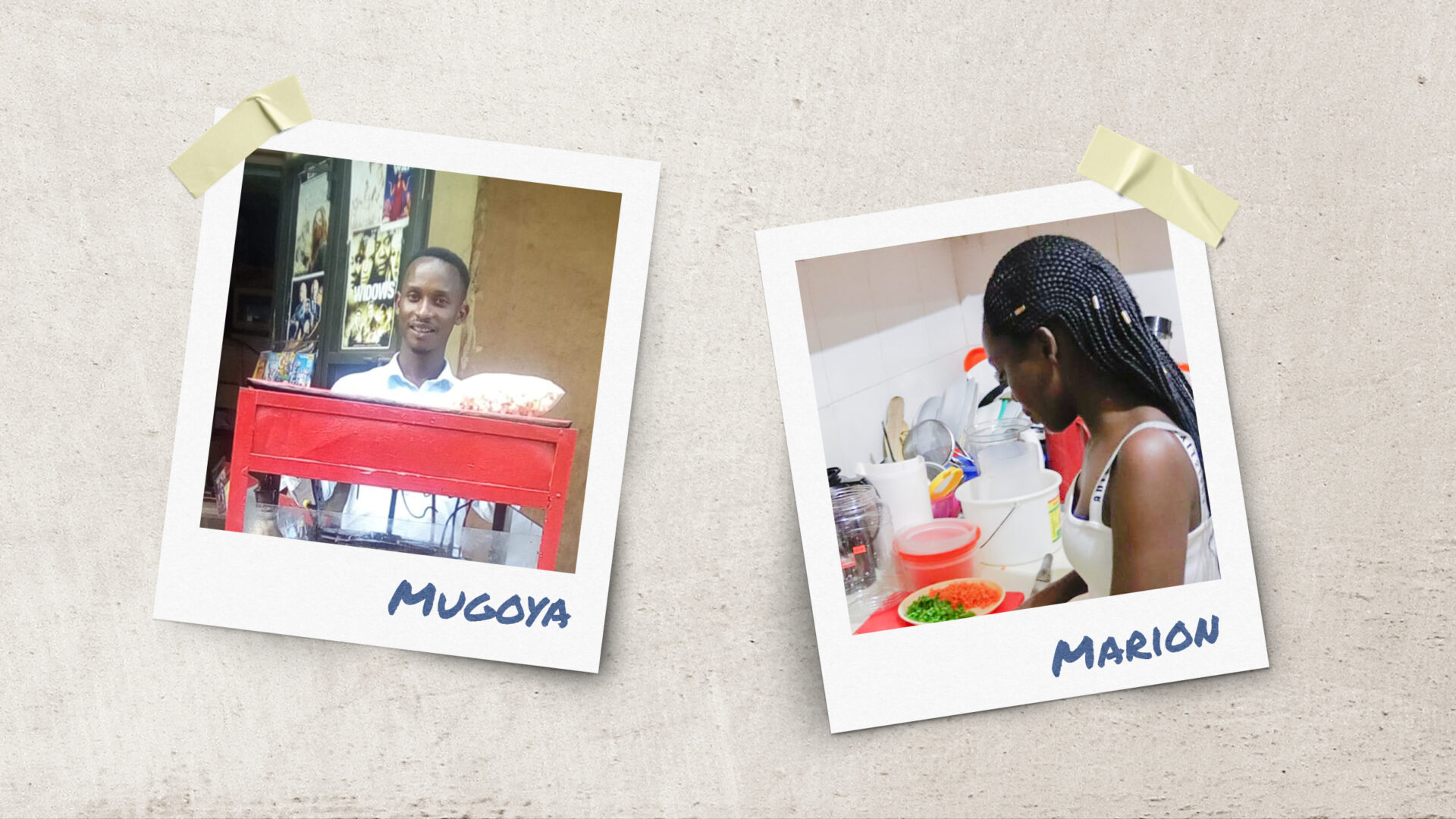
Two of the potential Local Heroes

This concept was tested for the first time during a series of interviews with the participants of the cultural probes. In these conversations we took a deep dive into the problems they had identified and their motivation to implement the solutions. Some of the ideas:

  • opening an internet cafe with classes for children in poverty
  • opening a coding school
  • setting up an orphanage
  • distributing solar panels to generate energy in remote regions

Our hunch was confirmed. Finding people with good ideas is not that difficult at all. But they should get the time and support they need to make their idea reality.

What’s next?

Local Heroes is currently developing the incubator program to empower locals to find the right problems to solve and to turn their solutions into sustainable businesses that strengthen their communities.

Some of the Ugandans that were involved in this study will become the first real Local Heroes and will receive support to turn their dream project into reality.

Repositioning Tomato Masters

Challenge

Tomato Masters is a family-owned business that produces and sells tomatoes (surprise!). Based in Belgium, they are renowned for their strong vision and sustainable approach. The company’s growing fast and has recently expanded its production to 16.2 ha.

They asked us to help them upgrade their business game and strategically reposition their organisation.

To support our rapid growth, we were looking for a strategic partner with a hands-on, down-to-earth approach and a strong focus on long-term, sustainable growth.

Tom Vlaemynck, CEO – Tomato Masters

Understanding the landscape and stakeholders

Tomato Masters is operating in a competitive and challenging marketplace, with highly influential cooperative auction houses and the retail sector that is changing at an unseen pace.

Our first job was to get to know all the key players involved and to understand all the ins and outs of the competitive landscape. So we spoke to a diverse range of stakeholders, ranging from retailers like Carrefour and Delhaize to distributors and sales agents.

The retail sector is changing at an unseen pace, and will continue to do so in the following years. In order to craft a futureproof position for Tomato Masters, we needed to fully understand what the future of retail looks like.

Michael Boschmans, Founder – Quest

The goal: to get a holistic perspective on the full customer experience of working together with Tomato Masters. The result: a clear understanding of all the frustrations, delights and opportunities for all relevant stakeholders.

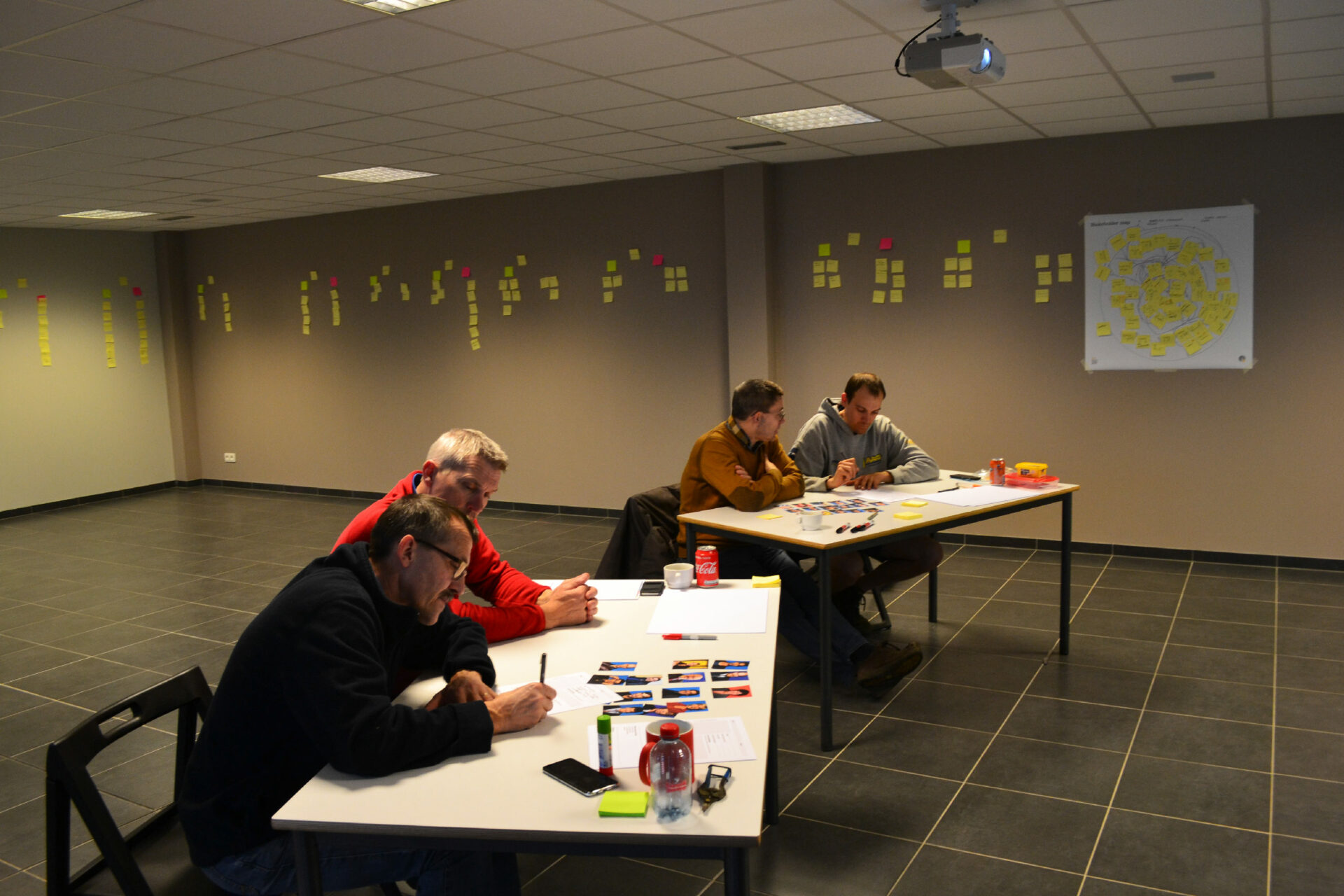
Stakeholder & buyer persona workshop

Business models for growth

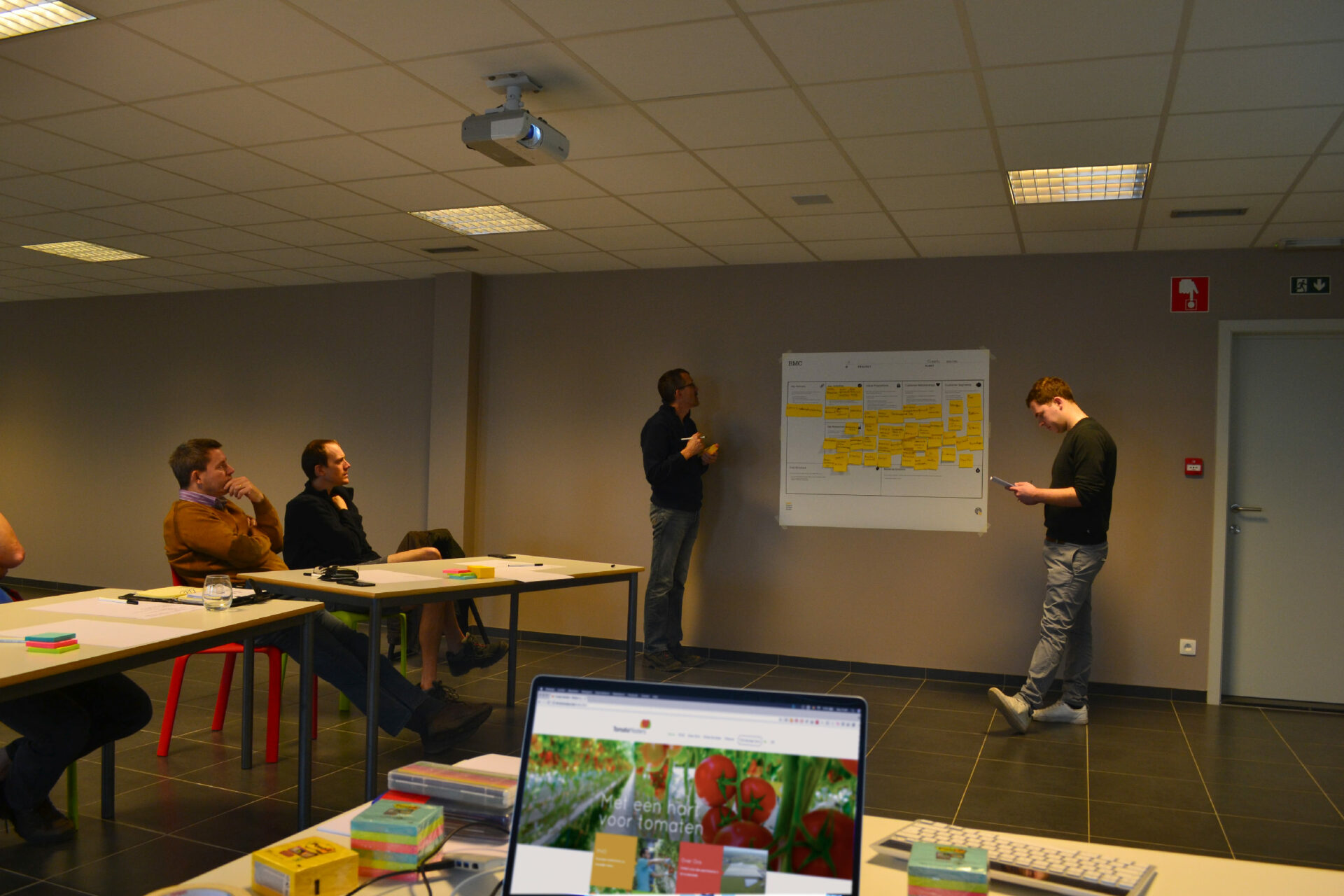
We hosted a couple of workshops to co-create Tomato Masters’ current and future business model. Together with the entire management team, we went through all possible business scenarios, identifying all related risks and opportunities.

This resulted in the co-creation of a new and future-proof business model and a roadmap that will help the management to work towards the implementation of that new model.

Business Model Canvas workshop

Futureproof positioning

Based on all insights gathered, both internally and externally, we clearly defined

  • Tomato Masters’ mission, values and core purpose
  • what Tomato Masters’ future position in the competitive landscape should be
  • what Tomato Masters will need to do to reach and maintain that position

Increasing digital well-being with Hocus Focus

Challenge

There’s a 95% chance that your smartphone is within arm’s reach right now. Or maybe you’re even using it right now to read this case study. We’re spending an enormous amount of time on our digital devices. And those devices never stop to ask for our attention, with a flood of incoming push notifications, texts, emails, etc. This continuous battle for our attention is taking a toll on our health, mental well-being and performance at work.

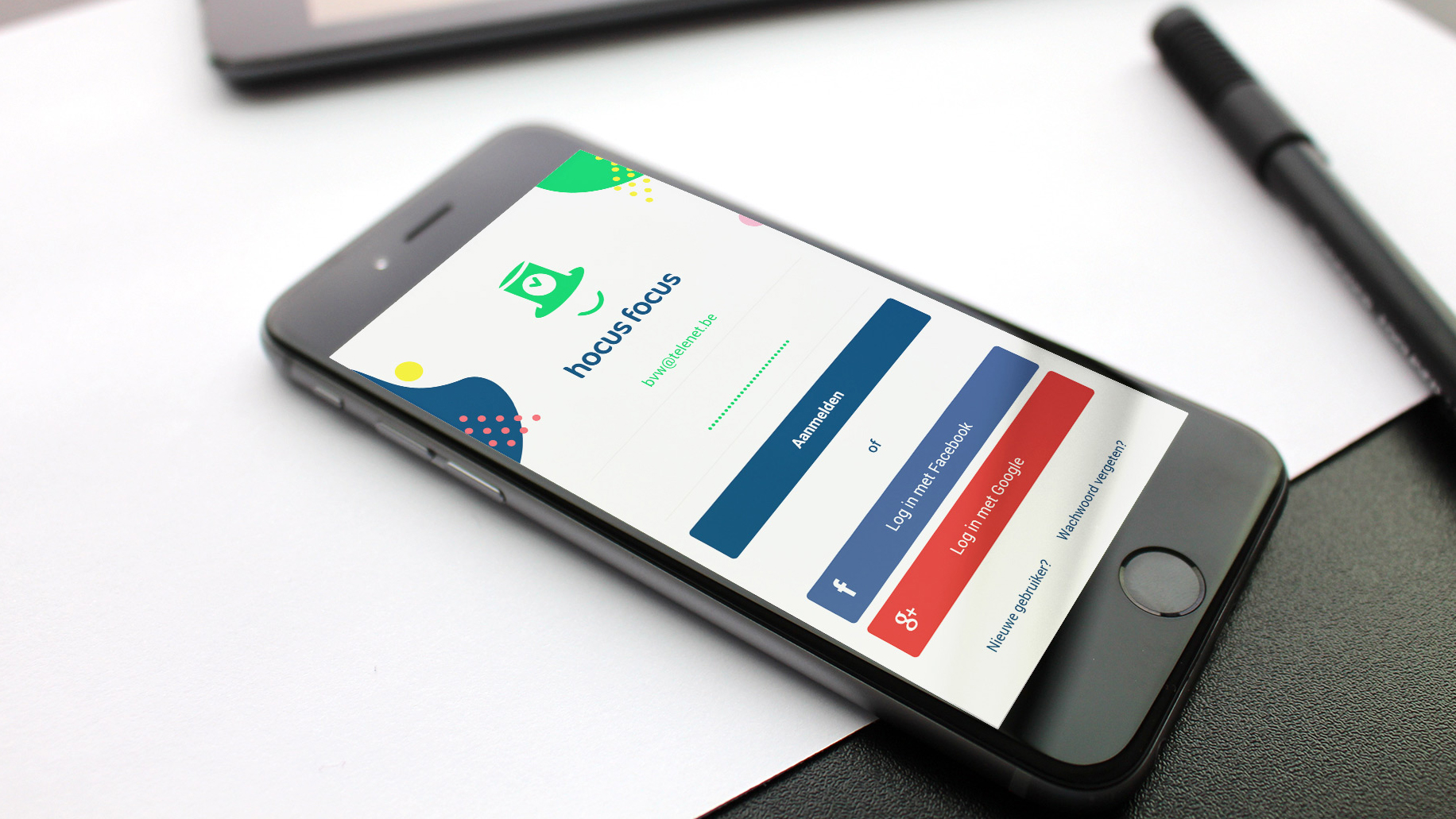
The Focus Academy helps people to regain their focus, on a personal and a professional level. They came to us because they want to create an app that helps people to focus and perform better. The idea: to limit digital distractions at work and at home, so people can focus more on their job and they suffer less burn-outs or depressions. The name of the app: Hocus Focus.

Our goal is to limit digital distractions at work and at home, so people can focus more on their job and they suffer less burn-outs or depressions.Bart Van Wassenhove, Founder
– The Focus Academy

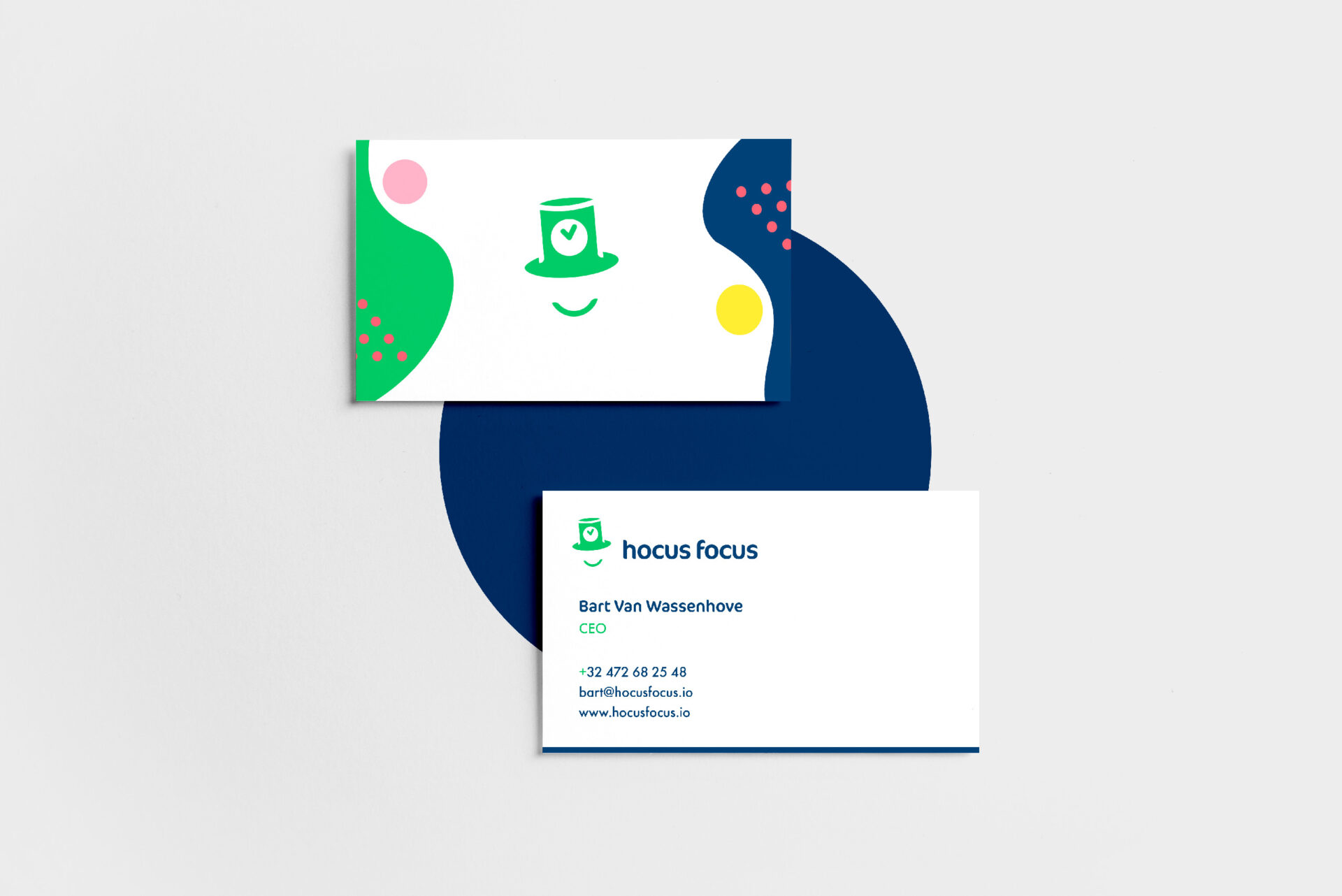
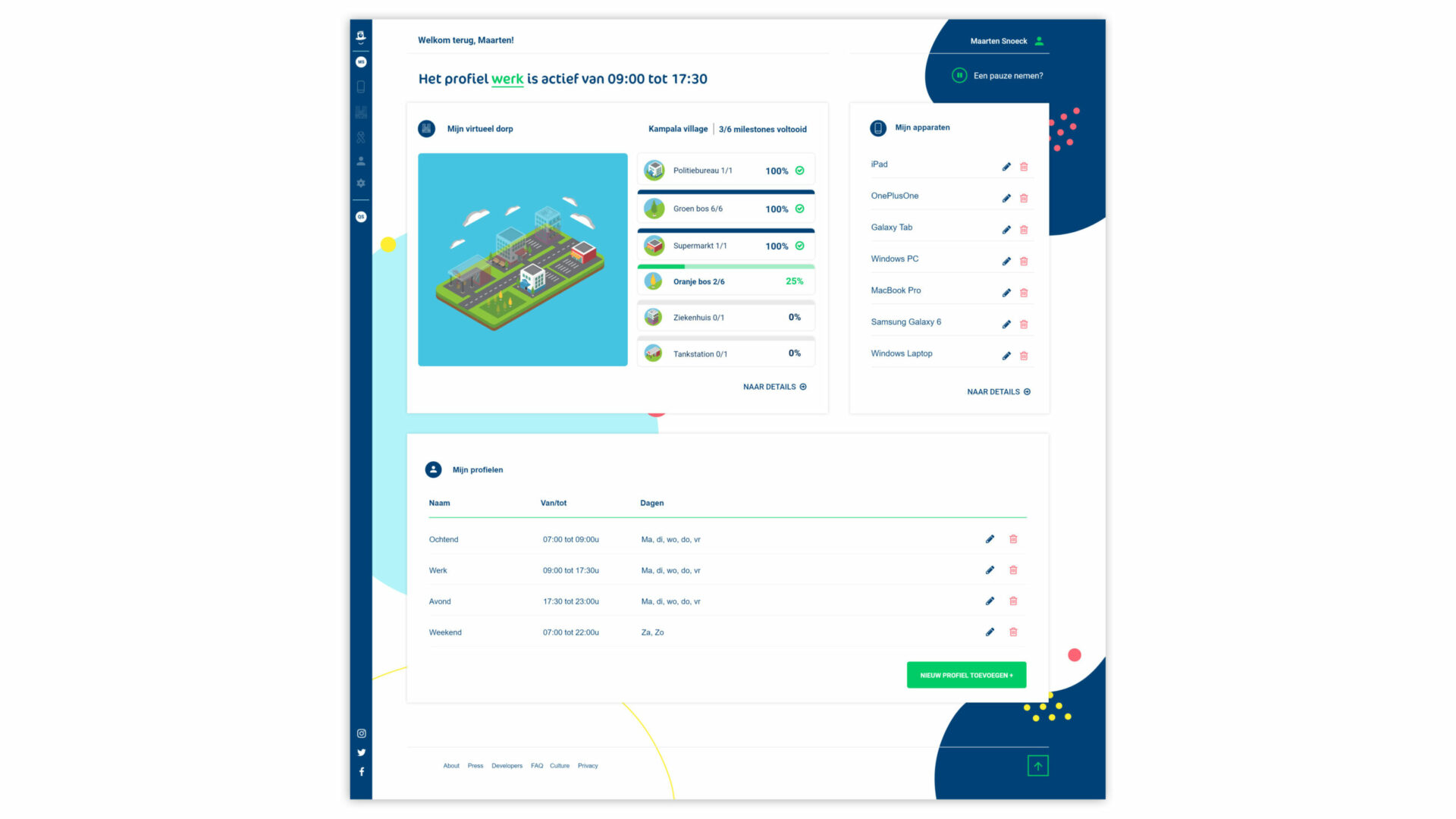
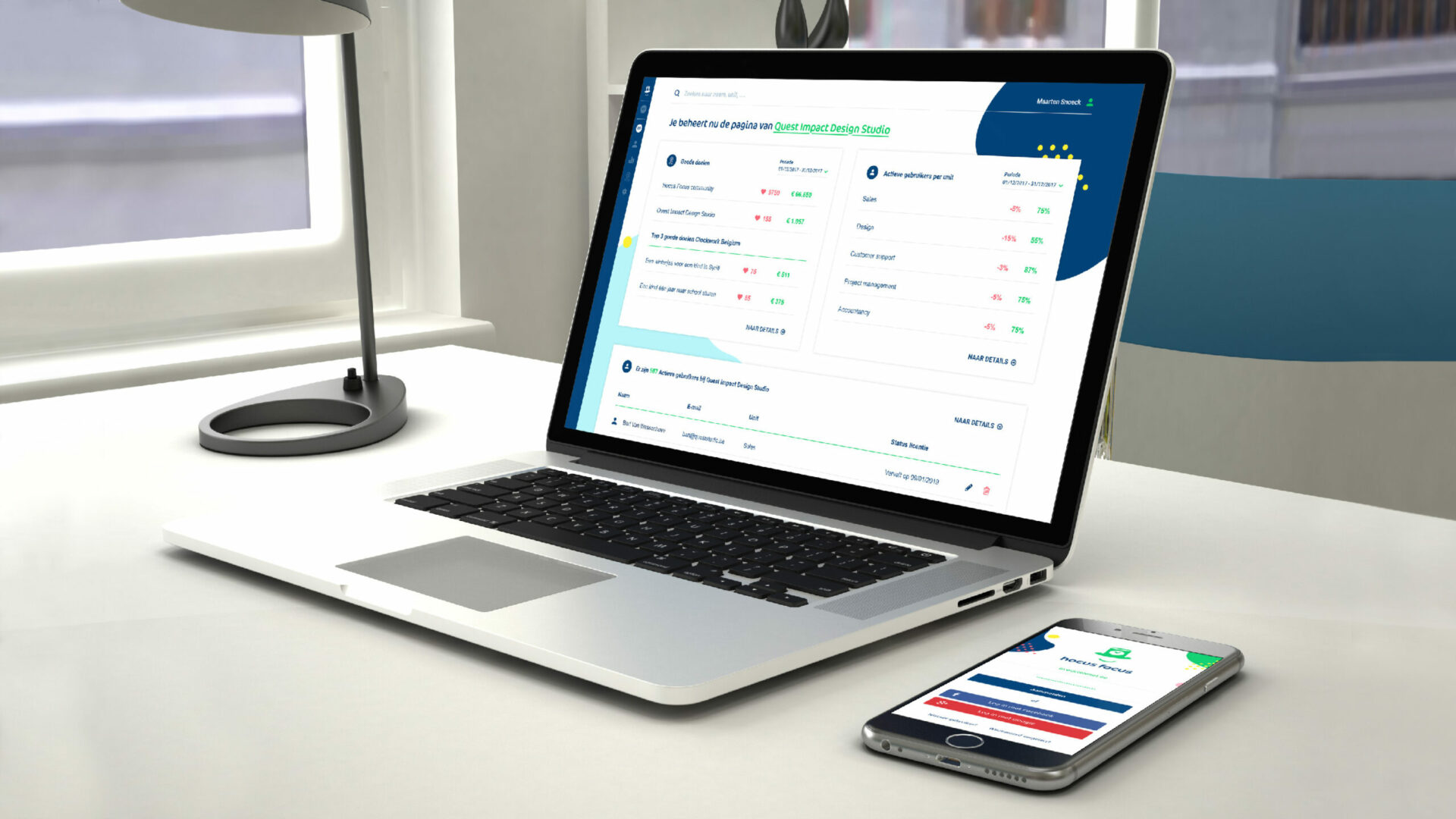
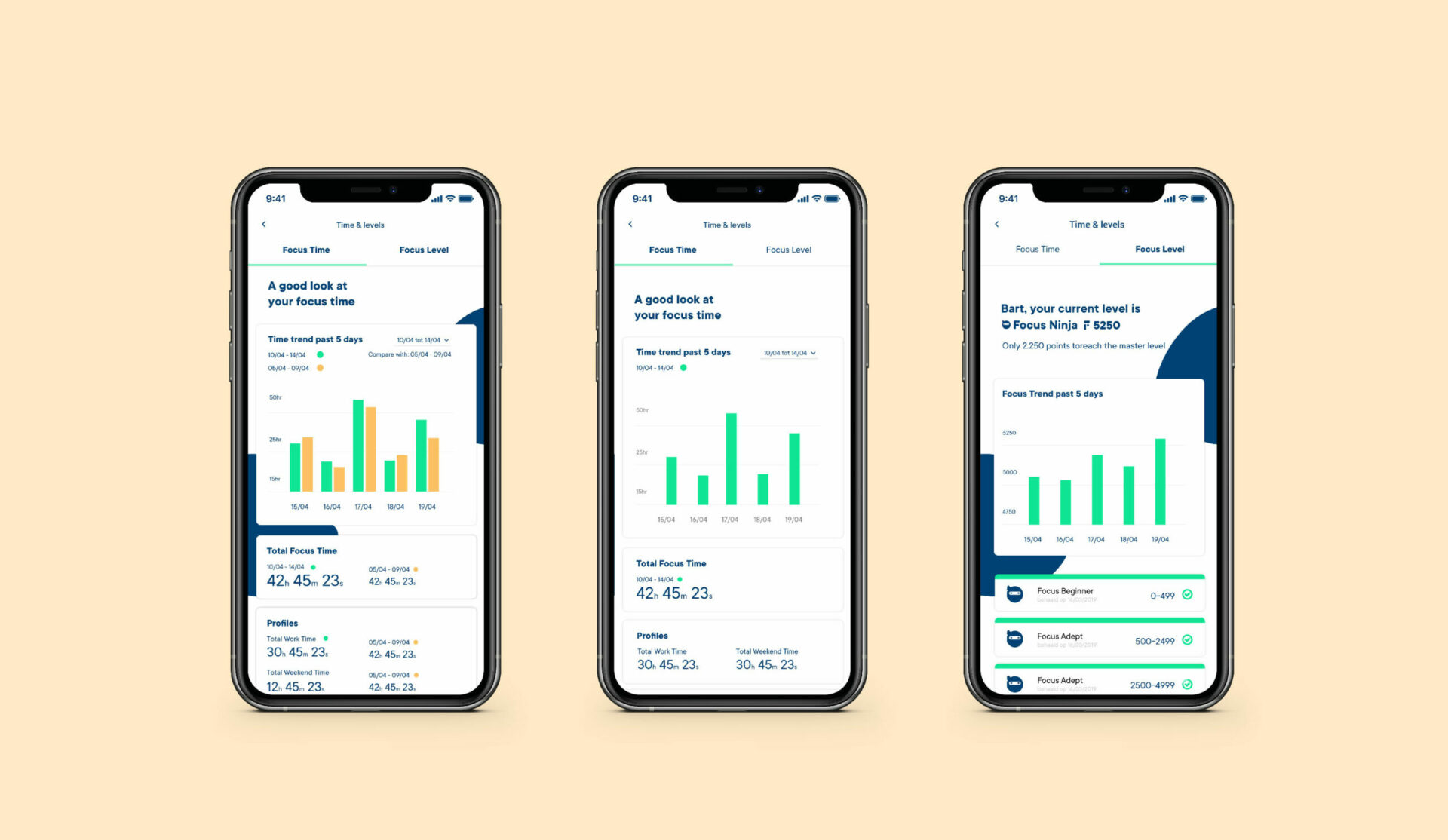
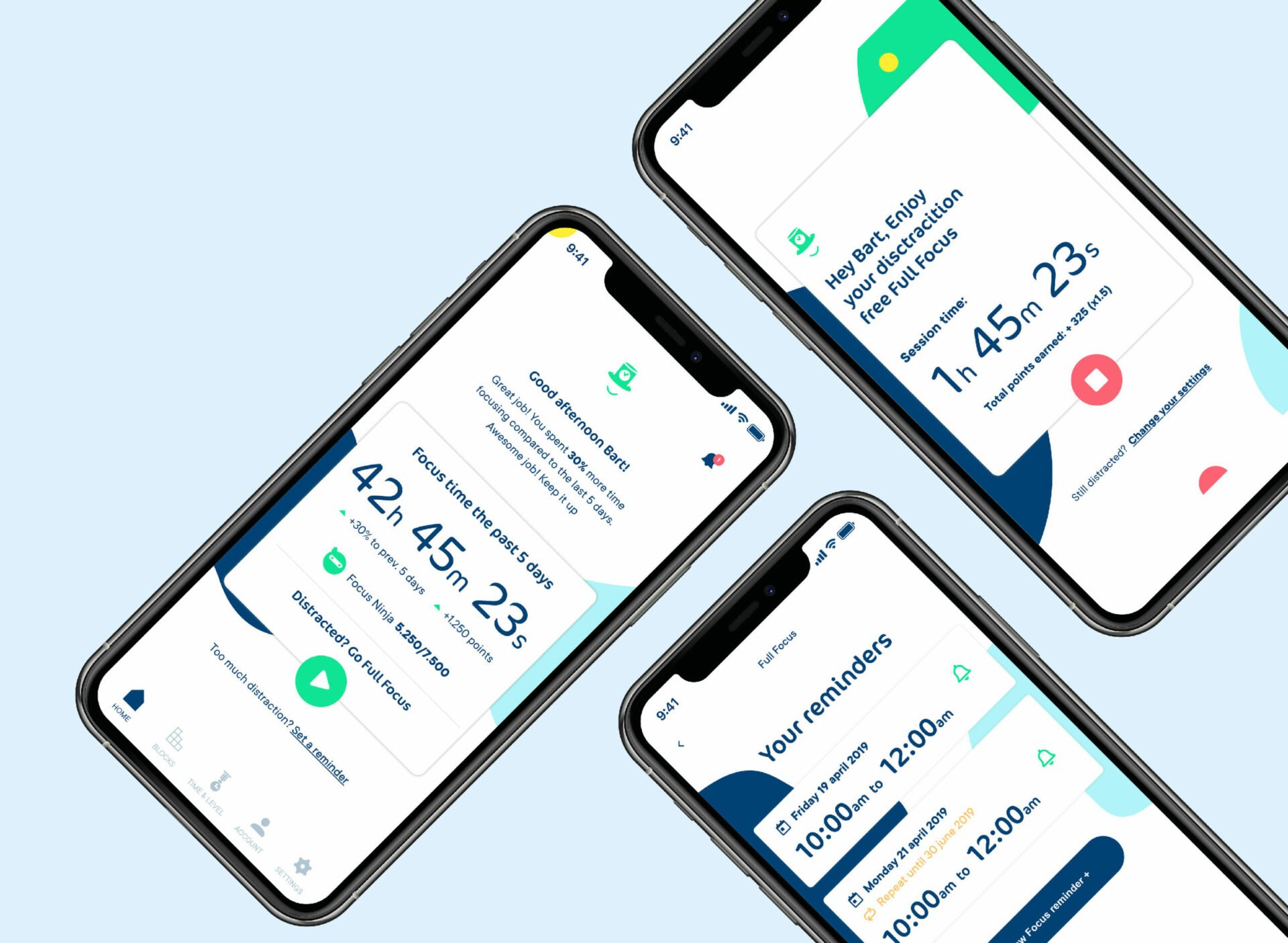
Since the company didn’t have the funds yet to start building this type of app, they asked Quest to create a logo and a couple of app mock-ups, which they would use to convince potential investors.

It’s brand sprint time

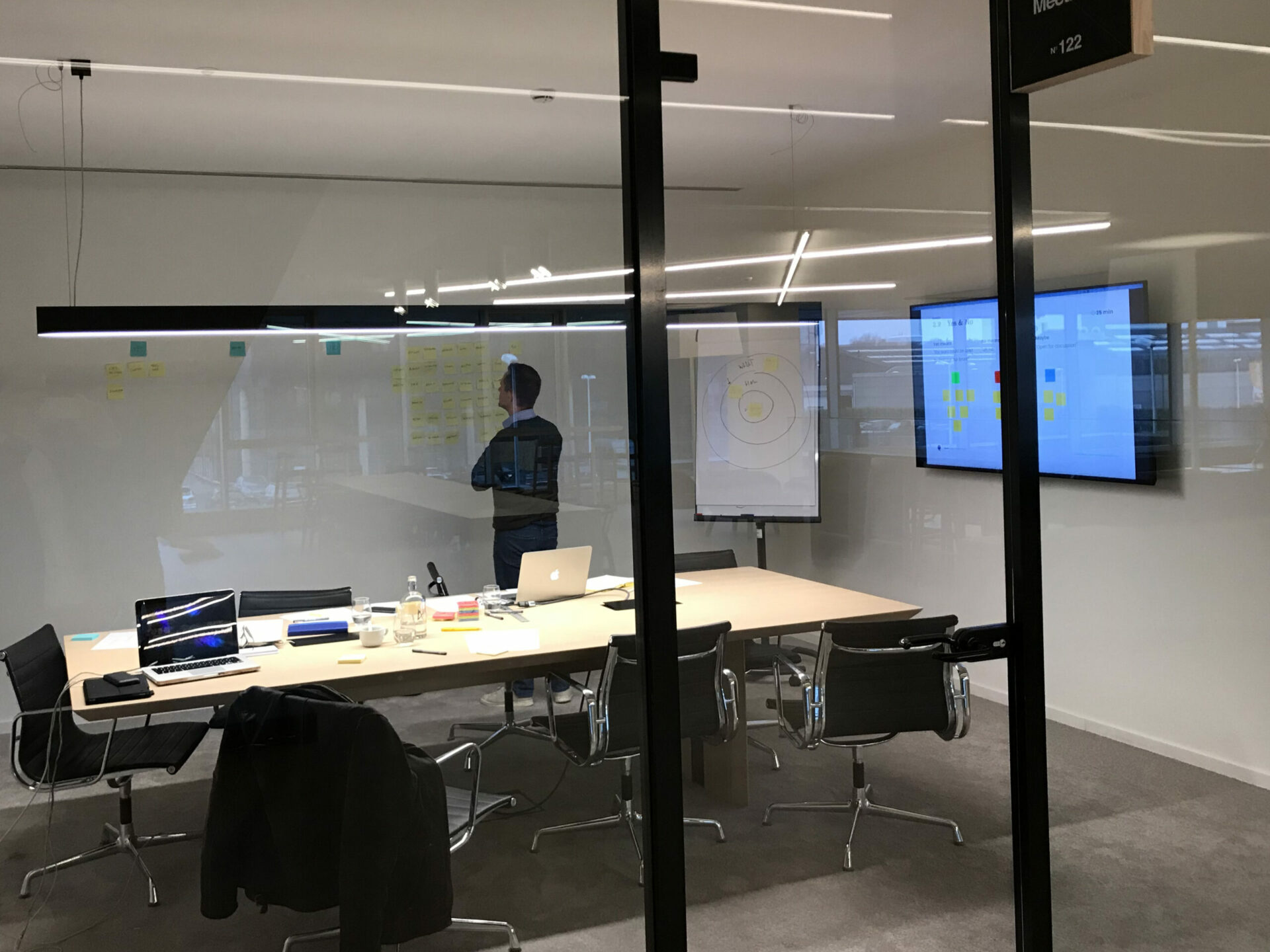
You can’t create a logo for a brand without fully understanding its purpose and vision. So we organized a brand sprint for Hocus Focus to capture Bart’s vision and ideas as much as possible in as little time as possible. We discovered his true ‘why’, selected keywords and defined the brand’s personality.

Social impact & gamification

The most important question: how do we make sure that users continue to use the platform? The answer: gamification & social impact.

The more people focus while using the platform, the more they contribute to a cause. So by using the platform, people not only increase their own well-being, they also help people in developing countries. Talk about sustainable development.

The Hocus Focus desktop application with gamification

What was next?

With the help of our mock-ups, The Focus Academy succeeded to generate 400,000 EUR in funding. We also created a logo and identity for The Focus Academy and we shaped their customer journey and service model.